

Stop Buying Lamps. Start Buying Systems.
Let’s be honest: buying individual infrared lamps is a headache. You get the tubes in a box, and then the real work starts. Your engineers have to spend hours building reflectors, messing with wiring, and praying the heat distribution is even. It’s a lot of heavy lifting for something that should just work. We decided to stop selling just the parts. Instead, we give you a complete heating module. It’s a drop-in system. You plug it in, and you’re done.
Getting Glass to Melt (Fast)
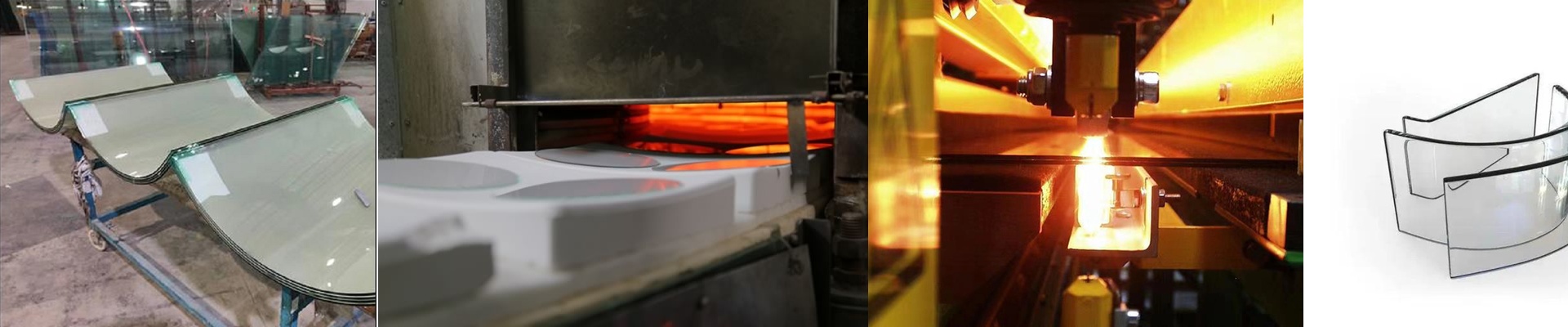
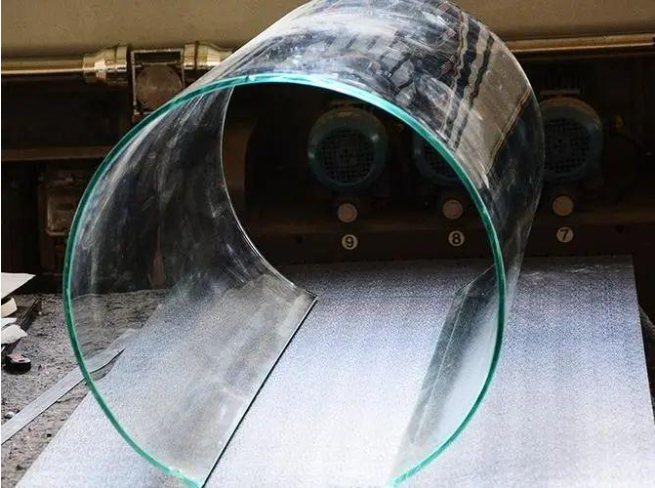
Glass is picky. To get it to that perfect softening point without stressing the surface, you need a massive hit of heat, and you need it quickly. That’s why we stick with shortwave infrared. It punches through the glass surface way faster than the longwave stuff, which means your cycle times drop. You get your parts out the door sooner. But here’s the thing: we don’t just guess the power. We look at your specific glass shape and calculate the exact wattage and voltage you need. If you’re working with thick-walled glass, you need a serious punch of power. Just a heads-up—make sure your electrical panels can handle that initial startup surge. You don’t want to be tripping breakers in the middle of a shift.
Why the “All-in-One” Approach Wins
When you buy a module, the lamps, reflectors, and wiring are already locked into one footprint. We handle the alignment for you. Why does that matter? Because if a lamp is off by even a few millimeters, you get cold spots. Cold spots mean rejected parts. Our modules take that risk off your plate. We also use industrial-grade connectors. No flimsy bits that burn out at the contact points. By shipping you a pre-assembled unit, we’re basically giving you your time back. You stop spending man-hours on wiring and actually start running production.
A Couple of Things to Watch Out For
These modules put out some intense, localized heat. It’s great for speed, but it does put a bit of a strain on your machine frame. Before you flip the switch, take a look at your cooling fans and heat shielding. If your ventilation is too small, that ambient heat starts to drift. If that happens, it can mess with the precision of your mold clamps, and suddenly your tolerances are off. Keep it cool, and you’re golden.