Fixing Those Annoying Cold Spots in Complex Glassware
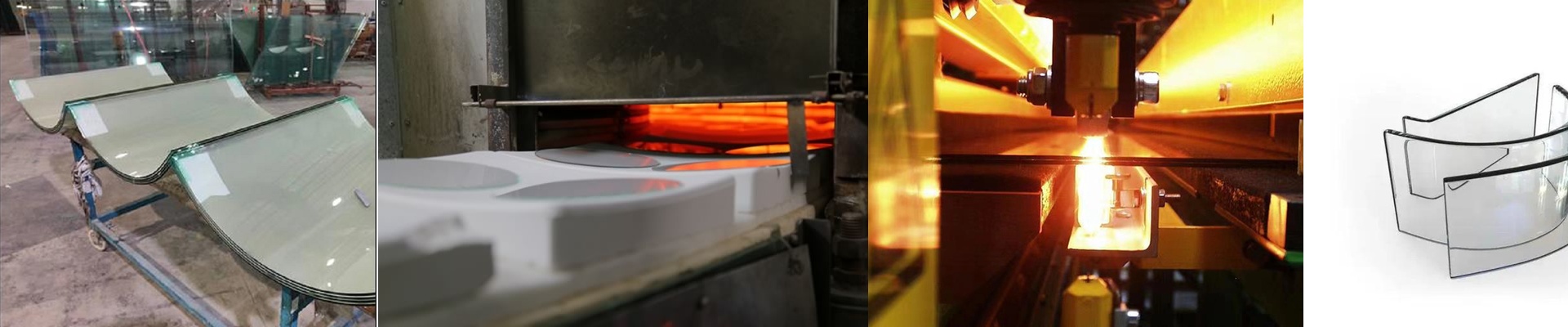
Ever had a piece of glassware just… shatter? Out of nowhere. Usually, it’s because of “dead zones.” When you’re working with weird shapes or irregular geometries, standard annealing kilns just can’t keep up. Some spots never actually hit the temperature they need. That creates internal stress, and eventually, the glass gives up. Here is how we stop that from happening: we stop relying solely on hot air and start using targeted shortwave infrared (IR) lamps.
Why air isn’t enough
Standard convection is basically just moving hot air around. But air is lazy. It doesn’t want to crawl deep into a narrow neck or squeeze into the tight curves of a flask. IR is different. It’s radiation, so it hits the glass surface directly. By setting up these lamps in a multi-angle array, you can blast the workpiece from a few different directions. It hits those blind spots that air simply ignores.
Getting the power right
To actually make this work, we use high-wattage quartz halogen tubes. They ramp up fast, which is exactly what you want when you’re trying to nail a precise annealing cycle. But you have to be careful with the math here. A high-density setup puts out a ton of heat, but it’s a massive drain on your power supply. If you cram too much wattage into a tiny space, you’re going to fry the lamp ends or overheat the oven chassis itself. You’ll need a cooling system that can actually handle that extra ambient heat, or you’re just trading one problem for another.
The practical side of things
Pro tip: use R7s or Sk15 connectors. Why? Because lamps eventually burn out. You don’t want to spend your afternoon tearing apart an entire oven just to replace one tube. With these connectors, you just pop the old one out, slide a new one in, and you’re back in business. Just keep in mind that IR is line-of-sight. If your glass shape is really wild, you’ll need more lamps at more angles. Sure, that means more wiring and a higher electric bill, but it’s a fair trade if it means your glass actually stays in one piece.