Stop Chasing Your Tail with Batch Variance in Glass Annealing
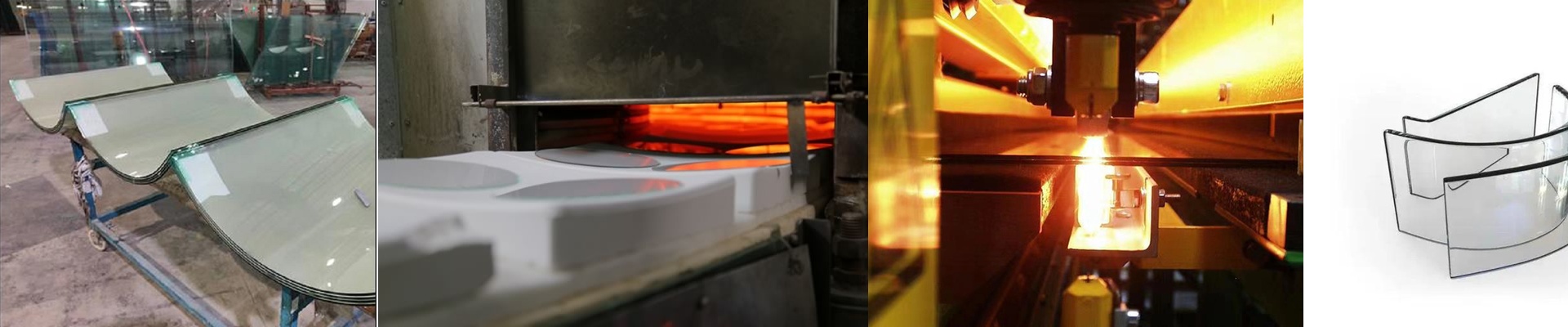
Ever feel like you’re fighting your annealing lehrs? You’ve got your settings dialed in, but suddenly a batch comes out with weird internal stress or warping. It’s frustrating. You start tweaking the controls, but the problem keeps jumping around. Usually, the culprit isn’t your settings. It’s “lamp drift.” Here’s the thing: if your heating lamps aren’t putting out the exact same amount of heat—across every zone and every single replacement bulb—your temperature profile is a lie.
Why a Little Bit of Difference is a Big Deal
We obsess over tight tolerances because a tiny 5% swing in power can wreck your entire annealing curve. Think about it. Glass needs to cool at a very specific, controlled pace. If one lamp is running hotter than the one right next to it, you get hot spots. Those spots cause uneven expansion, and before you know it, you’re staring at a pile of scrap. To stop that, we start at the source. We use high-purity quartz and a very specific tungsten winding process. That way, the thousandth lamp we make behaves exactly like the first one.
The Hardware Side of Things
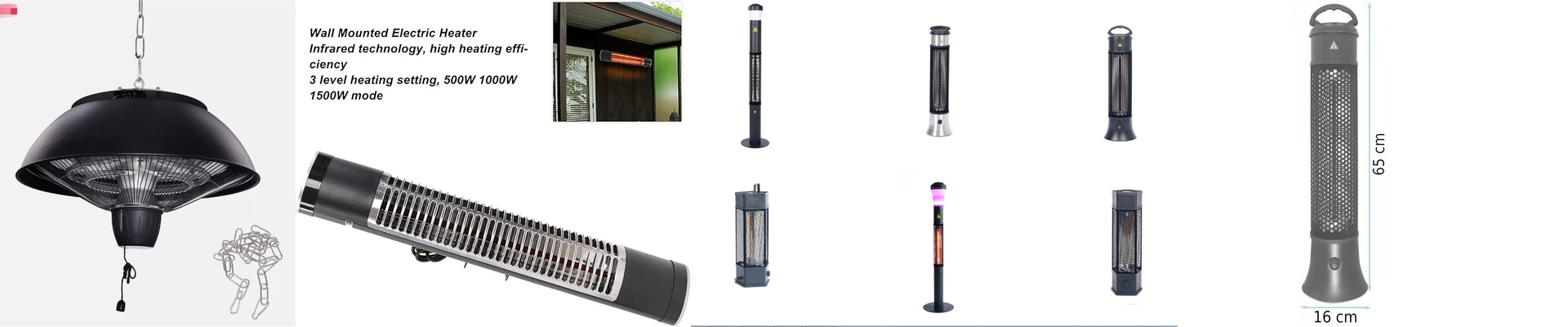
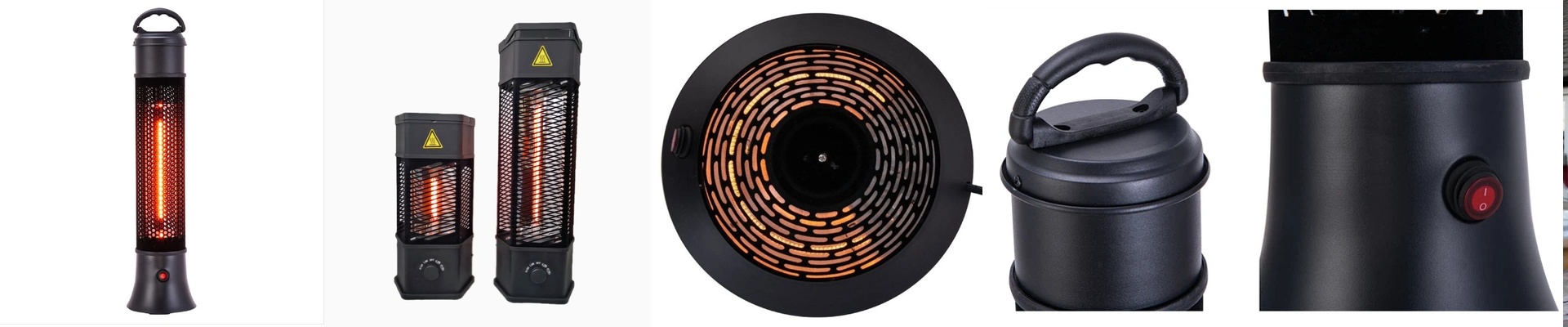
Most of you are probably using shortwave or medium-wave quartz tubes. They’re great because they pack a lot of heat into a small space, which keeps your lehr footprint from taking over the whole shop. More watts in a shorter tube means you ramp up to temperature faster. But watch out for your voltage. If you’re wiring up a long bank of lamps, the voltage at the end of the line often drops. It’s a silent killer for consistency. We usually suggest balancing your loads or using stabilized power supplies. It just keeps the heat flat across the whole zone.
Real Talk: The Shop Floor
Replacing a burnt-out lamp should be a five-minute job, not a whole afternoon of recalibrating your equipment. A “drop-in replacement” is only actually a drop-in if the new lamp matches the old one’s output perfectly. If the new tube is off-spec, you’ll spend hours chasing your temperature setpoints, wondering why the glass isn’t behaving. We keep the variance low so you can just swap the tube and get the line moving again. No guesswork. No stress. Just glass that comes out right every time.