
Stop Playing Tetris With Your Infrared Lamps
Let’s be honest: buying individual infrared lamps is a headache. You get the tubes, but then you’re stuck hunting for the right quartz housings, messing around with mounting brackets, and spending hours wiring controllers. It’s a lot of tedious work for your assembly team. And in CNC glass cutting, “close enough” doesn’t cut it. If your DIY setup is off by even a fraction, you get uneven heating. That means bad breaks and a pile of wasted glass sheets. It’s frustrating, and it costs money.
A Better Way to Heat
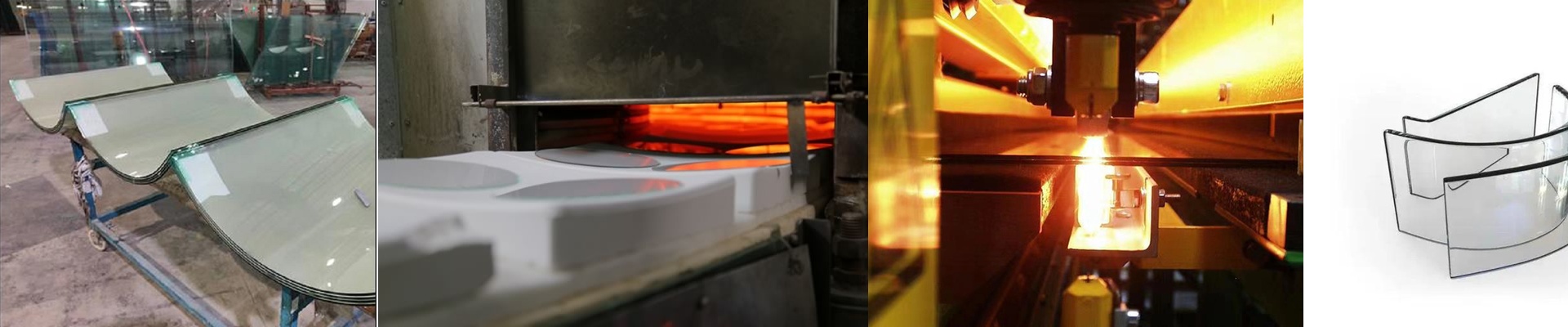
We’ve started moving our clients away from the “parts list” approach. Instead of sending you a box of components, we’re providing integrated bending and preheating modules. Think of it as a drop-in replacement for your heating zone. We handle the spacing, the insulation, and all the messy wiring before it ever leaves our shop. You don’t have to spend your afternoon fitting lamps into a frame and praying they’re straight. The heat hits exactly where it needs to, every single time.
The Nitty-Gritty of Glass Preheating
To get glass to that softening point without creating internal stress, you need heat that’s fast and dense. That’s why we stick with shortwave infrared and high-wattage quartz lamps. It gets the temperature up quickly. But there is a catch. When you pack that much power into a small module to save floor space, things get hot. Really hot. You’ll want to make sure your CNC machine’s ventilation is actually doing its job. If that ambient heat has nowhere to go, you’re risking your electronics.
Why This Actually Matters
When you go with a pre-assembled module, you stop worrying about “burn outs” caused by a loose connection or a lamp that wasn’t seated quite right. We give you the whole package—lamps, reflectors, and power distribution. You wire it up, flip the switch, and start cutting. You stop managing a spreadsheet of parts and start focusing on your actual production. Plus, your shop floor techs don’t have to spend their week fighting with thermal calibration. We’ve already done the hard part for them.