
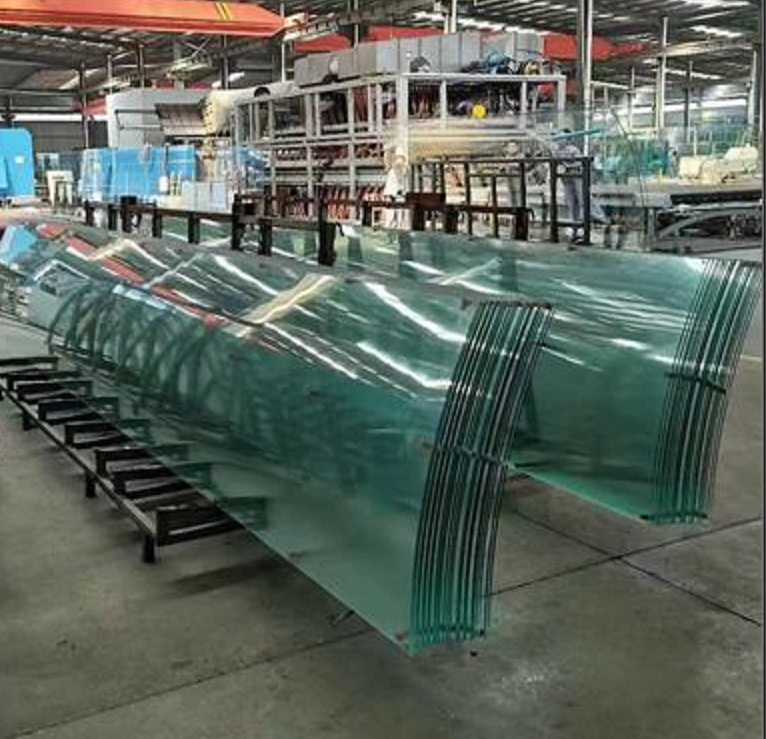
Getting Wide-Format Low-E Glass Preheating Right
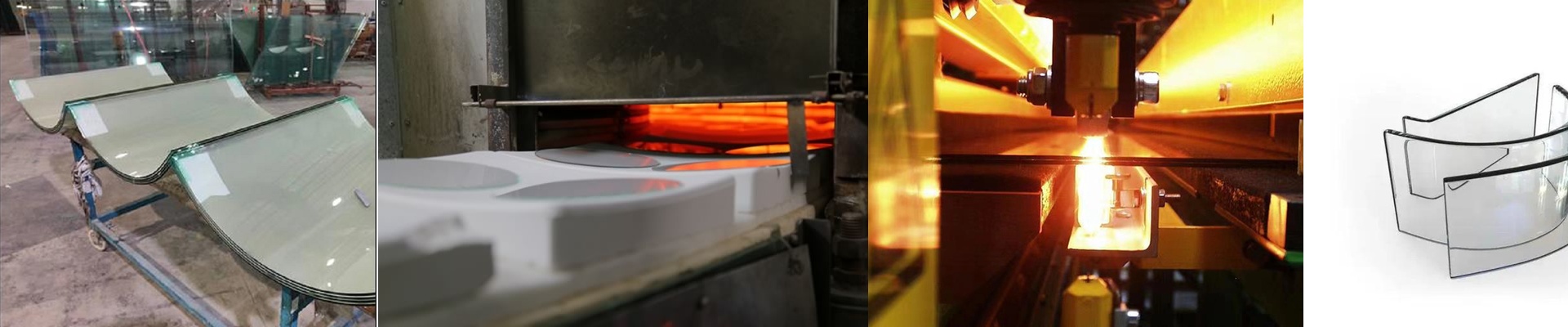
If you’re working with glass sheets over 3 meters, you know the struggle. You can’t just throw some off-the-shelf lamps at the problem and hope for the best. You’ll end up with cold spots or sagging, and in this business, that’s a recipe for disaster. That’s why we build our infrared units from the ground up. We make them wide, continuous, and steady, so your conveyor doesn’t have to deal with any “dead zones.”
The Headache of Powering 3-Meter Units
Here’s the thing about long heating elements: voltage drop is a real pain. You can’t just stretch a wire and call it a day. If the power isn’t balanced perfectly from the center to the edges, your Low-E coating won’t stick properly. It’s as simple as that. We spend a lot of time dialing in the wattage and voltage to keep the heat density consistent. We usually go with high-wattage quartz tubes, but you’ve got to keep an eye on your plant’s electrical capacity. A 3-meter array pulls a massive amount of current. If your wiring or contactors aren’t up to the task, you’re looking at burnt-out circuitry the second you hit the start button. Not a great way to begin a shift.
Why We Use Heavy-Wall Quartz
When you’re dealing with these long spans, stability is everything. Thin tubes are a gamble—they bow under their own weight or snap if the machinery vibrates too much. We use heavy-wall quartz and reinforced supports to make sure the lamps stay perfectly parallel to the glass. Depending on what you need, we can do shortwave or medium-wave radiation. Shortwave is fast. Really fast. But it’s picky. You have to get the distance just right. Too close, and you risk thermal shock (which means broken glass). Too far, and you’re just wasting energy.
Making it Work in Your Shop
We design these units to be drop-in replacements. No need to rip out your entire tunnel. We’ll even customize the end-cap connectors so they plug right into your existing wiring. It keeps the downtime short, which keeps everyone happy. One last tip: these high-density arrays put out a ton of ambient heat. Make sure your cooling fans and vents can actually handle the waste. If they can’t, you’ll end up cooking your own control electronics.