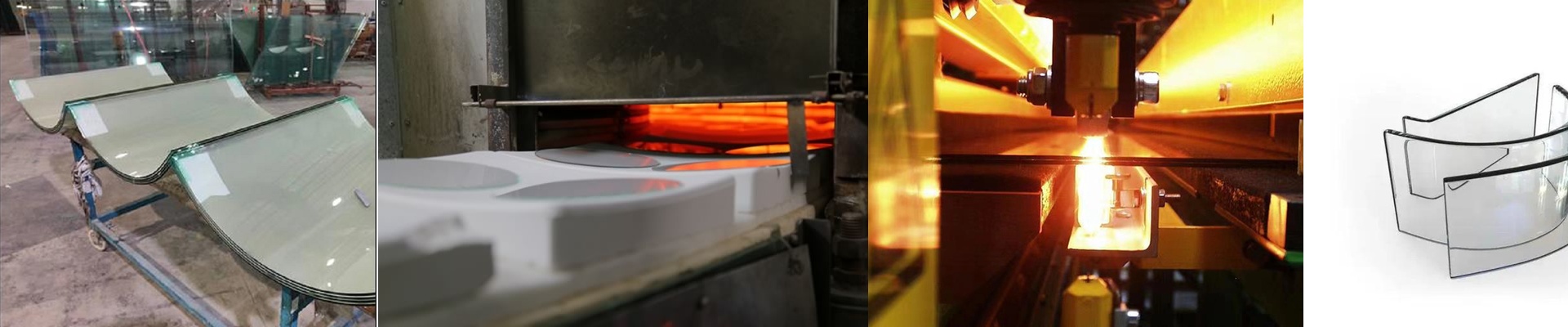
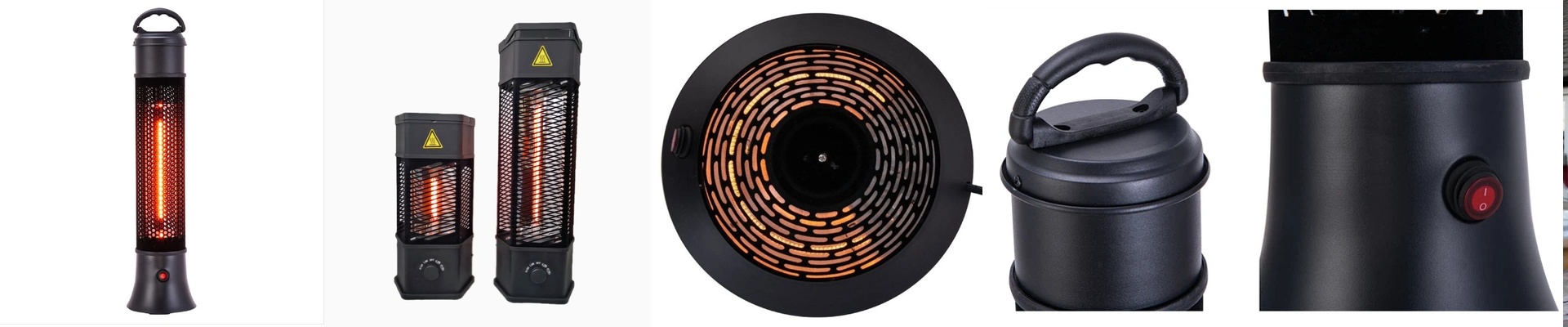

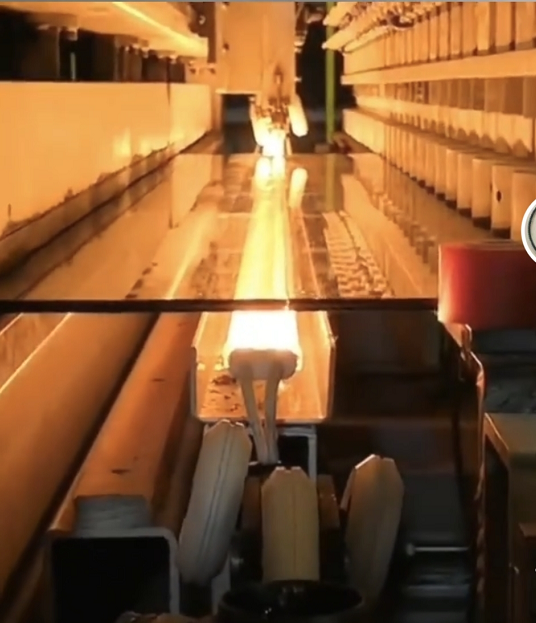
Out on the line, one hot spot is all it takes to scrap a whole run of tempered or bent glass. Thermal stress cracks and optical distortion aren’t just “defects” on a report—they show up as yield loss and rework tickets. That’s why ceramic infrared heaters earn their keep: they keep the heat field even across the pane, so the glass heats consistently without those sharp gradients that bite you later. What matters under the hood We run ceramic infrared elements that put out stable, focused radiation in the medium-wave band, tuned to match glass emissivity and absorption. The payoff is predictable heat penetration with minimal convection interference, so surface and edge temperatures track together. Control stays repeatable across setpoints, and the output holds steady over long runs—we’ve seen units run past 5,000 hours with minimal drop-off. The package fits standard mounting and termination, so it’s a practical drop-in for a lot of OEM oven zones. Why it plays in glass Uniform heat distribution is the difference between a clean bend profile and parts that warp or carry residual stress. In tempering, consistent heating cuts the risk of thermal shock and helps optical clarity. In lamination and coating drying, it knocks out bubbles and haze by driving out moisture evenly. You get faster ramp-up, tighter temperature control, and fewer rejects tied to temperature swings. Energy use drops because the heat goes where it’s needed, not into cooking the chamber. The details that bite back Ceramic infrared heaters are sensitive to surface condition and spacing. Keep the face clean and hold the specified gap to the glass—fouling or misalignment will create localized hot spots fast. They also need a stable supply voltage and solid thermal insulation around the zone. Build in routine inspection and alignment. That’s what keeps the heat field uniform and keeps yield where it should be.