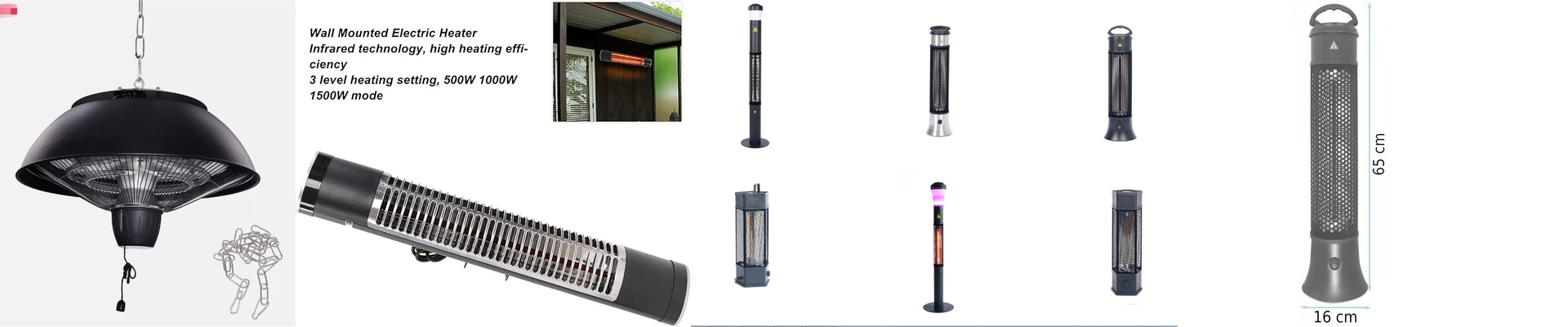
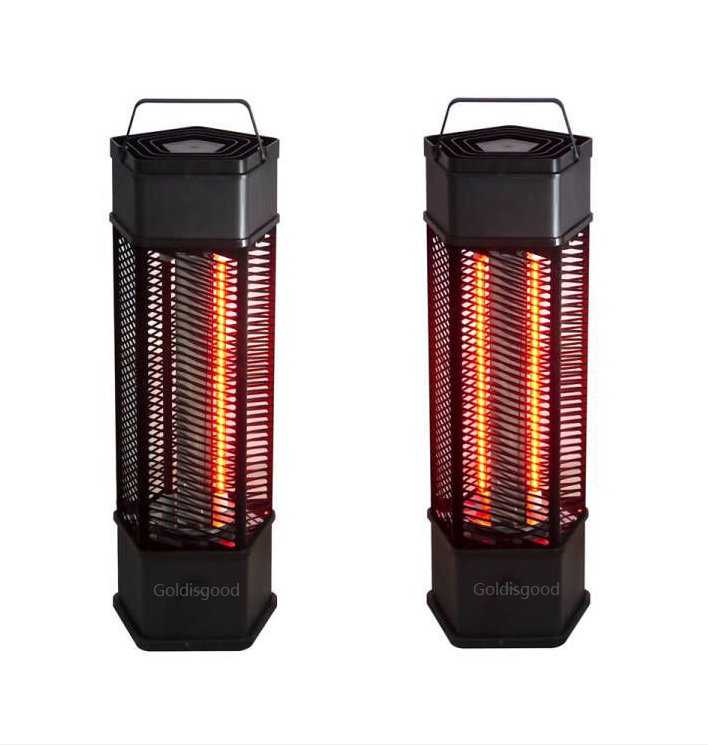
Evening drops fast. Guests settle in, the patio heater kicks on—and then the element starts to age. Give it five years, and a lot of heaters turn that simple moment into a weekend teardown. We built our electric patio heater to sidestep that whole cycle.
What matters under the hood
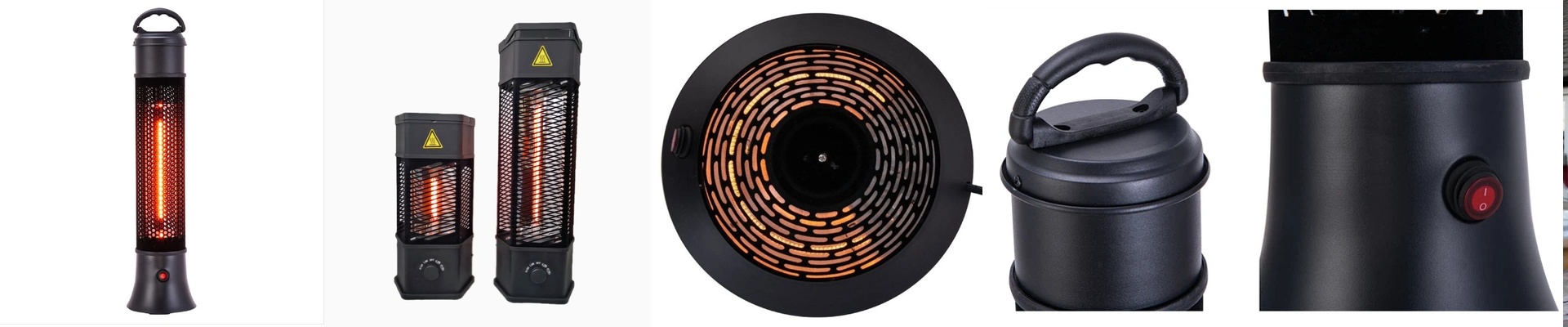
We run an infrared quartz tube paired with a carbon-fiber heating element, so you get radiant warmth that hits people and surfaces directly—no waiting around for the air to warm up. The tube locks in with a straightforward connector, which makes the heating assembly modular. The unit is fully waterproof atIP55, so it handles rain, spray, and quick weather changes without forcing you to pack it away. A built-in thermostat keeps comfort steady, and tip-over protection cuts power if the heater gets knocked off position.
Why this design holds up in real use
When you’re trying to keep the patio usable, downtime is the real enemy. With the modular approach, swapping a heating tube takes minutes—not an afternoon of prying panels and chasing screws. You keep the base, the controls, and the frame; you only replace the part that wears. That translates to fewer service interruptions, more consistent warmth, and a longer overall life from the same heater. And because it’s infrared, you feel comfort right away—so you can stretch evenings without turning the indoor thermostat up a notch.
The practical details you’ll want to get right
Because this is an electric outdoor heater, it needs a grounded outlet on a circuit that can carry the load. Place it in a sheltered spot when you can; that reduces wind exposure and helps with long-term reliability. Keep the surrounding area clear for airflow and safety. The IP55 rating covers typical outdoor conditions, but heavy, direct downpours and strong wind-driven rain can still push any electrical appliance—so plan placement with the weather in mind.