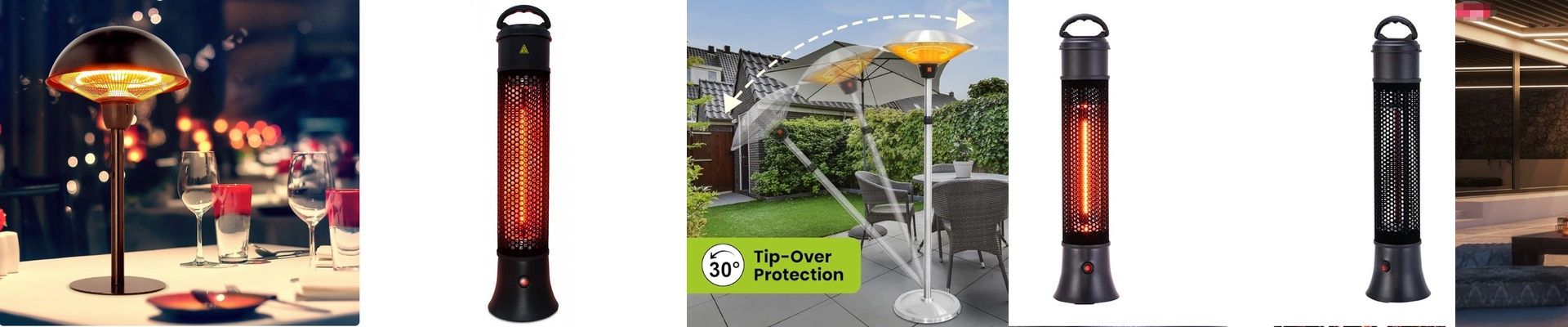
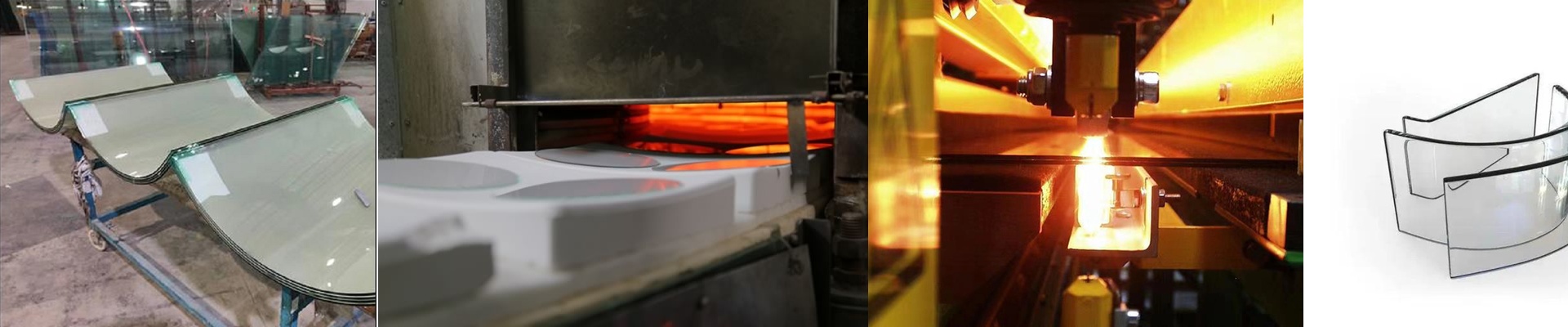
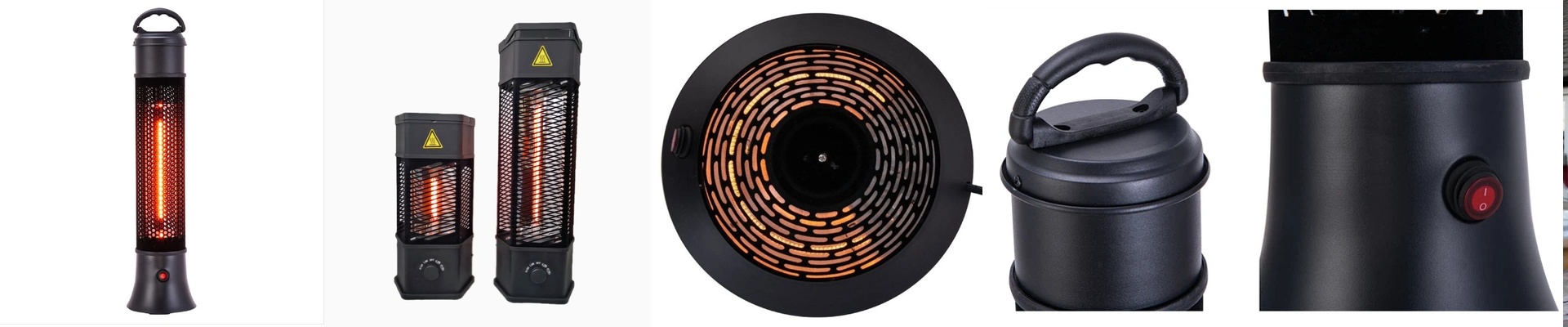
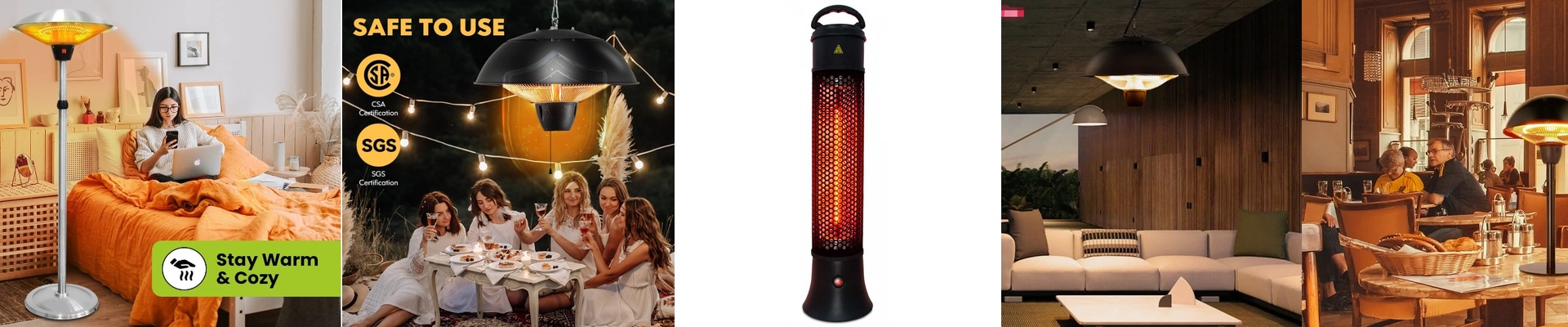
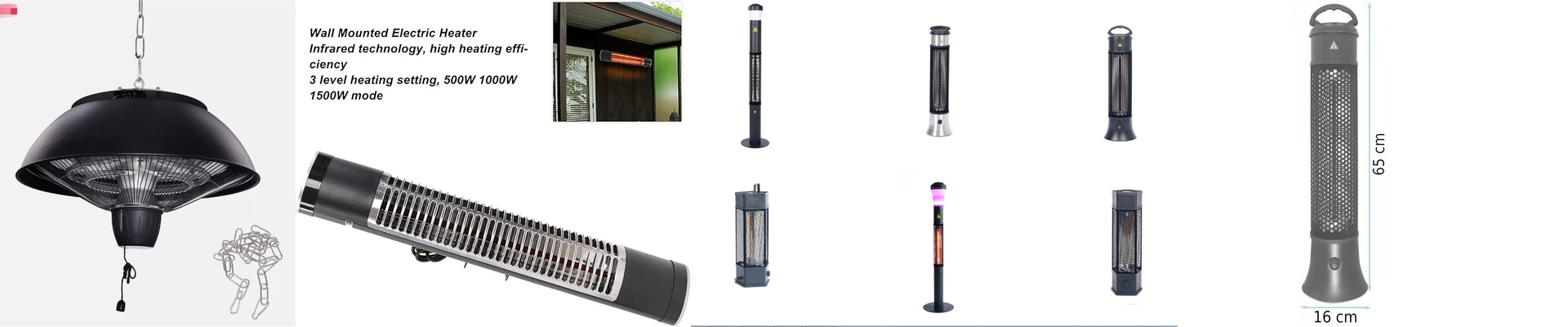
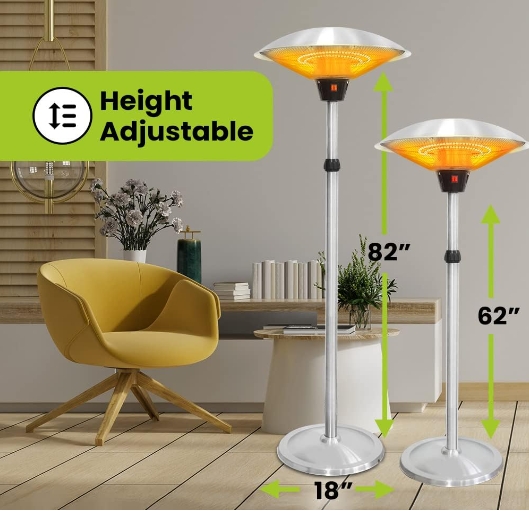
On a Workshop floor, the cold does more than make you uncomfortable. It slows everything down—stiff hands, tools that slip, quality checks that drag. A heater that can’t keep up doesn’t just waste time; it eats into material and breaks your rhythm. We built our workshop electric heaters to cut through that drag with infrared warmth that hits people and work surfaces directly, where it matters.
What matters under the hood
We lean on infrared heat delivered through quartz tubes and high-efficiency elements that come up to temperature fast and hold steady. The practical heart of the design is voltage and plug flexibility. We engineer units for 120V and 230V mains, and we can spec connectors to regional standards—NEMA, CEE, BS1363, and Schuko. Wattages scale to the space, from compact units for tight benches to higher outputs for open bays. A built-in thermostat keeps the heat consistent, and you get safety basics as standard: tip-over protection and overheat cut-off.
Why this works in a shop
Comfort in a workshop isn’t a perk—it’s throughput. Infrared heat warms bodies and workpieces without kicking up dust, so the air stays clearer and focus stays sharper. Startup is quick; you feel the heat within seconds, not minutes, so warm-up windows shrink and cycles keep moving. Because the warmth is directional, you’re not paying to heat empty air—energy use stays tied to who’s there and what you’re doing. That kind of focus shows up as fewer mistakes, better finishing, and a steadier pace through the shift.
The details that keep you out of trouble
Matching voltage and plug type is non-negotiable. We handle the customization, but the site prep is on you. Keep clear clearances around the heater, run it on a dedicated circuit, and mount it properly. Infrared warmth works best with a clean line of sight; drafts and wide-open doors will cut into effectiveness.Place the unit to cover the right zone, and you’ll get steady, dependable comfort.