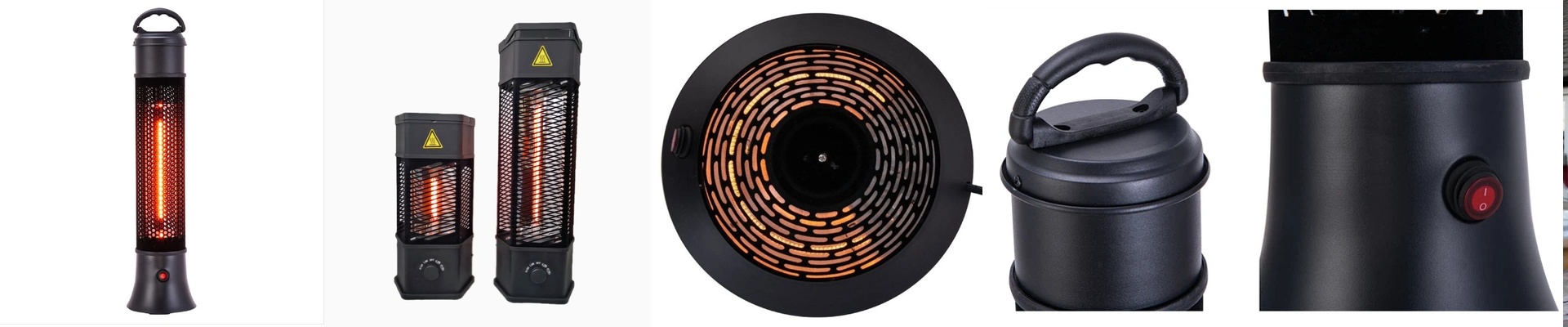
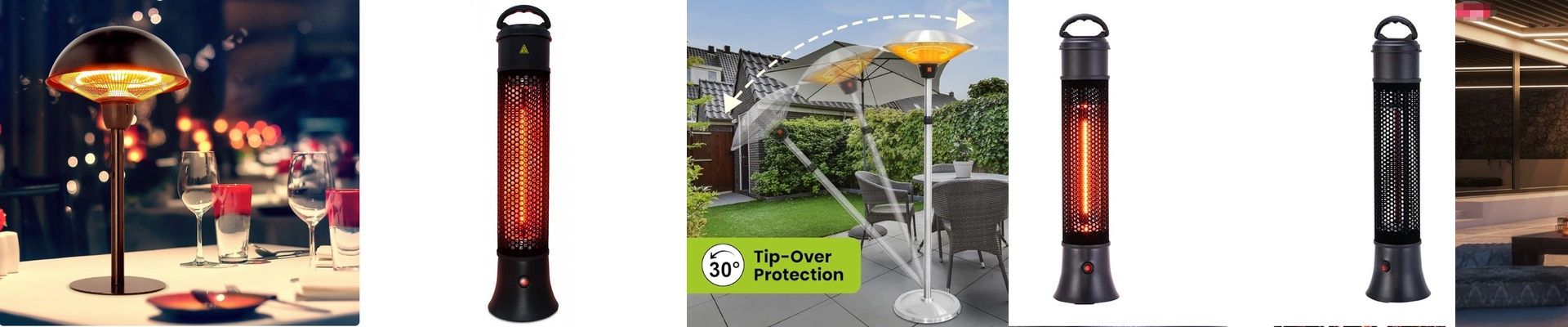
The winter wind doesn’t just drop the temperature—it drops your outdoor seating revenue. In an open-air restaurant, guests avoid tables when the air bites, leaving patios empty and servers under-booked. The answer isn’t a noisy heater that just blows air around. It’s targeted radiant warmth that reaches people directly.
What matters, technically
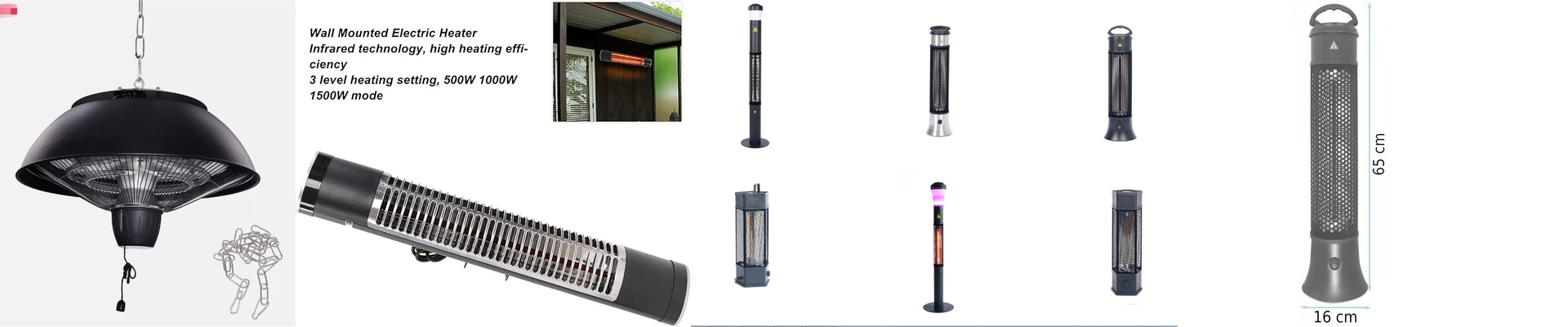
Our new-generation infrared room heaters deliver radiant heat using a carbon fiber element inside a sealed quartz tube. This setup warms people and surfaces first, not the air, so comfort hits within seconds of switching on. Typical commercial models run at 1.5 kW to 3.0 kW, with 240 V hardwired connections for steady, continuous duty. The beam angle is engineered to spread warmth evenly across a table setting, while the outer housing stays cool to the touch. For safety, every unit includes tip-over protection and an IP rating suitable for sheltered outdoor use.
Why this works in an open-air restaurant
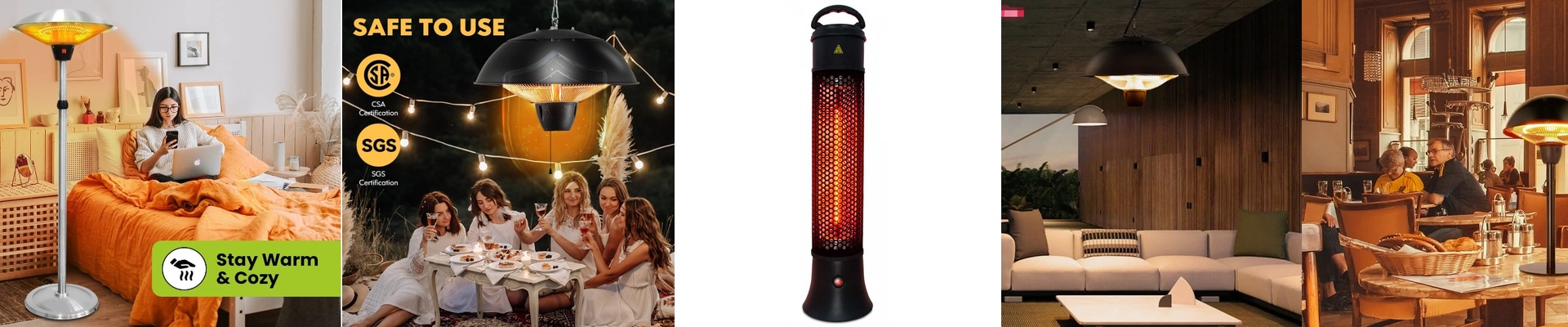
The goal is straightforward: keep guests comfortable long enough to linger, order more, and come back. Infrared warmth does that by maintaining a stable microclimate at the table, so diners don’t feel the shock of cold air every time a door opens. That steady comfort supports higher occupancy and faster table turnover. We’ve seen covered patios stay usable on nights that would otherwise be empty, turning winter into a dependable service window instead of a seasonal slowdown.
The details that make it work
Infrared heating is directional, so placement matters. Aim the unit to cover the seating zone without shining directly in eyes, and use adjustable mounting brackets to fine-tune the spread. Because the heat is radiant, drafts from doorways can still carry heat away—pair the heater with wind-blocking screens where needed. Also, confirm local electrical codes for outdoor circuits. These heaters draw meaningful power, and a dedicated line keeps performance consistent during peak service.