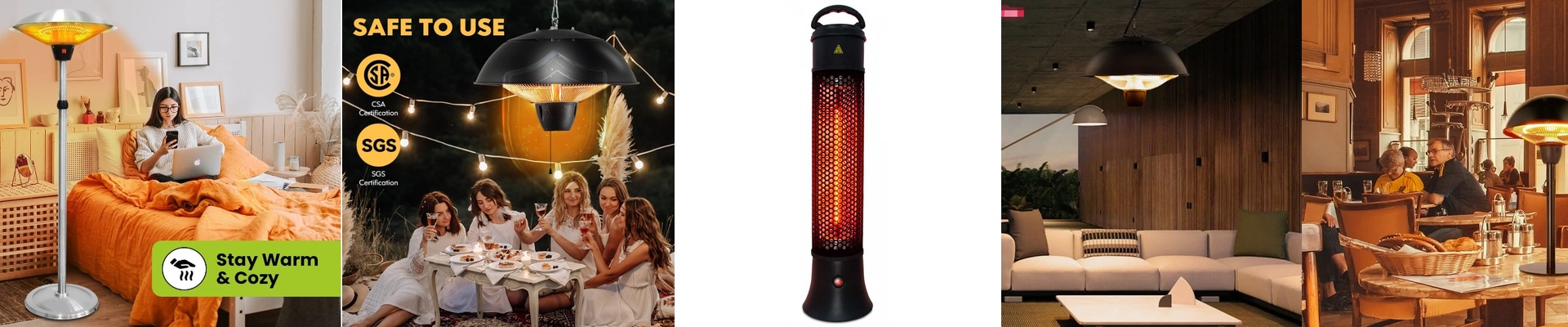
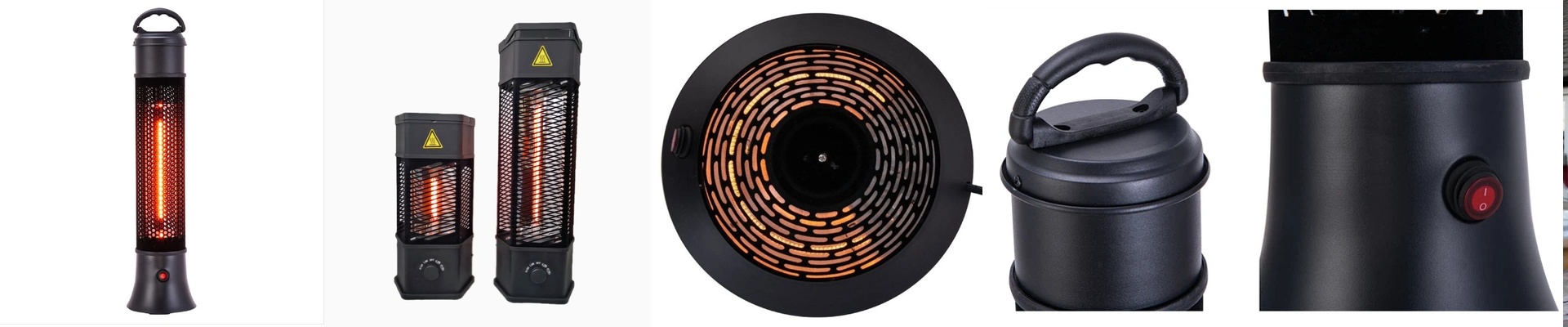
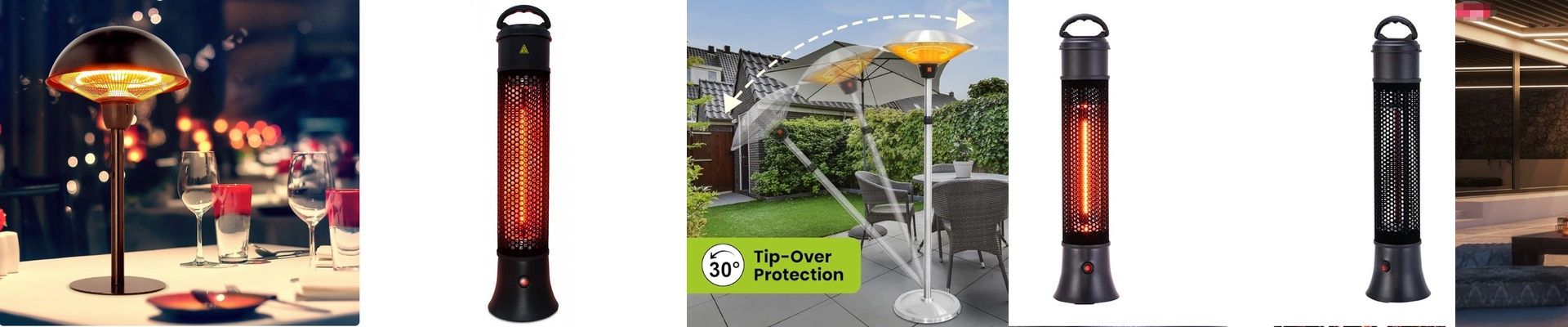
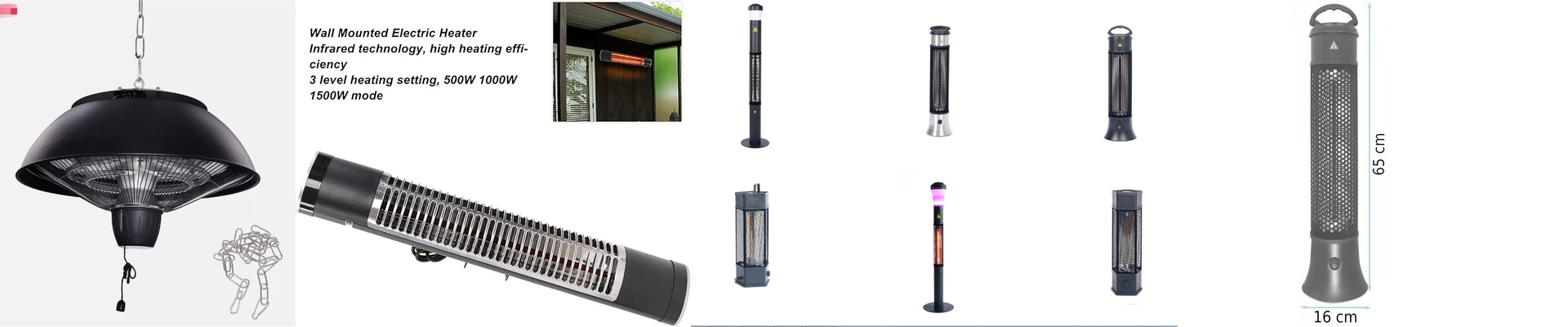
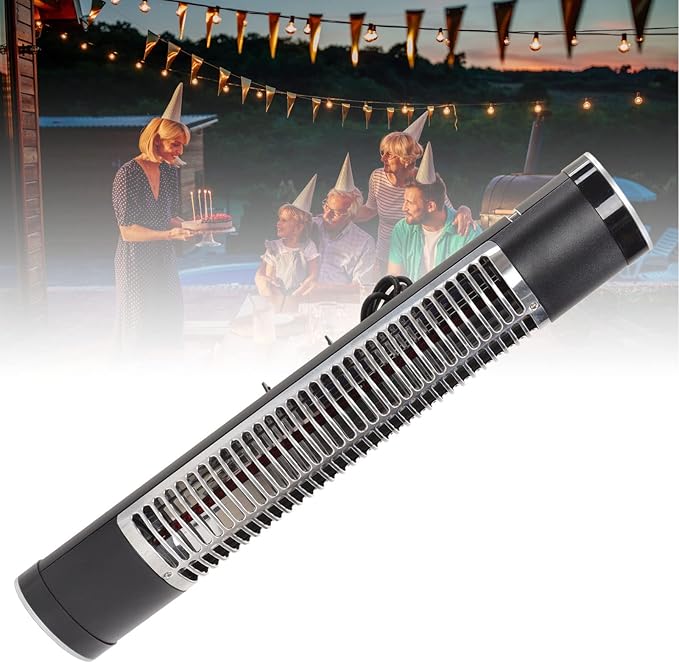
Zero waste isn’t a slogan anymore—it’s how a lot of homes and shops actually run. When winter settles in, staying warm shouldn’t mean generating a stream of disposable parts or replacing heaters that give up too soon. So we built this infrared electric heater around high-cycle materials: components meant to be used, serviced, and kept running—not tossed. What matters under the hood We went with a carbon fiber heating element because it holds up and keeps output steady. It throws radiant warmth fast, with no lag, and it doesn’t get rattled by repeated on/off cycles. That core sits inside a quartz tube, which shields the element while letting infrared heat through cleanly. A built-in thermostat holds temperature steady, and tip-over protection adds a practical safety layer. For outdoor use, the unit is IP34 rated—rain and dust don’t scare it. It runs on standard 120V and plugs into a common outlet. No special wiring. Why this approach fits If you’re chasing zero waste, you need gear that stays in service for years, not seasons. High-cycle materials plus a repairable design mean this heater supports long-term use instead of throwaway convenience. Infrared warmth targets people and objects directly, so you feel cozy sooner without trying to heat a whole volume of air. In partially enclosed spots—covered patios, workshops, garages—that focused heat can translate to lower energy use. And when the build is meant to last, you end up replacing less, wasting less packaging, and living with a heater that keeps up with a responsible setup. The practical details This is an electric radiant heater. It delivers comfort where you point it, but it isn’t the right tool for an open yard. For best results, position it so it bathes your seating area in gentle infrared warmth. Clearance matters: keep combustibles well away and use a grounded outlet. If you’re mounting it, take the time to secure it level. The heater’s balance affects both performance and the tip-over safety feature.