Technical Deep-Dive: Power and Dimensions
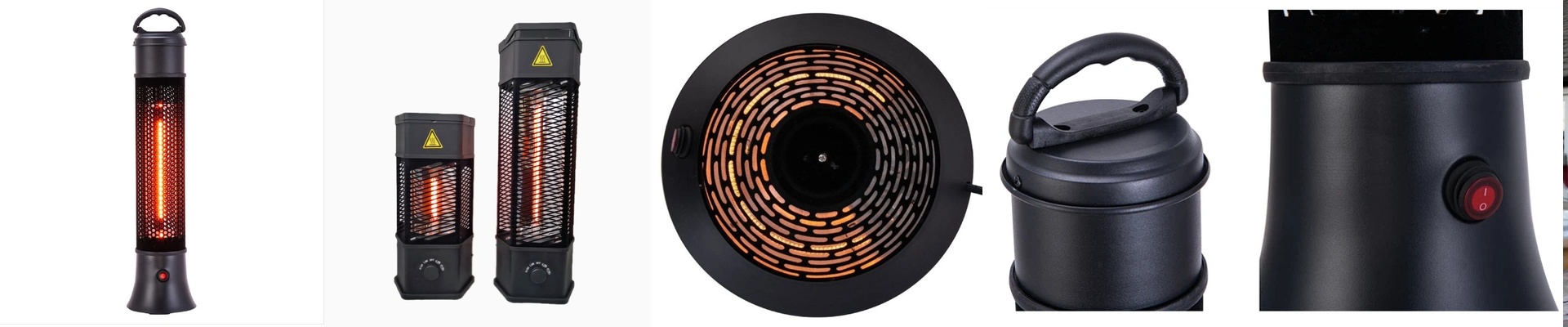
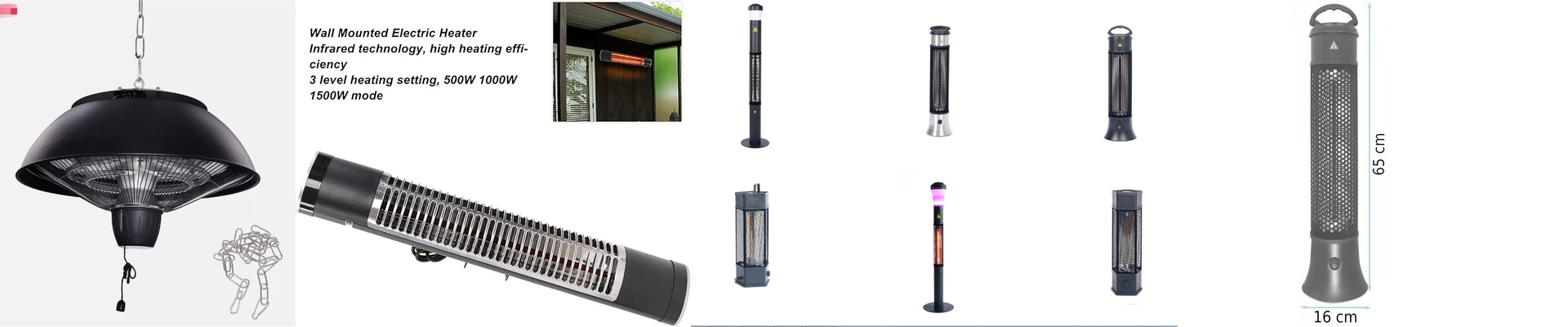
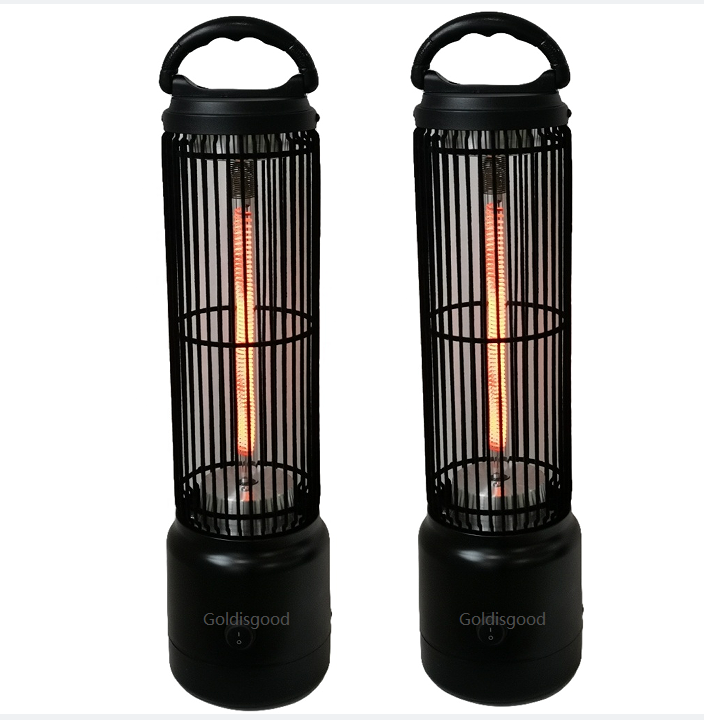
Let’s talk about why we built this Eco mode heater the way we did. It wasn’t meant for a cozy living room. It was spec’d for the real world—industrial duty, where you need heat, and you need it fast. So we gave it a 400V, 2500W rating. That’s a lot of punch packed into a small footprint. The payoff? You get rapid temperature ramp-up without having to overhaul your whole system. And the 300mm length? That was a deliberate call. It’s just long enough to create a stable hot zone, but short enough to slip into tight spots—perfect for snug enclosures and recessed mounts.
Material & Design: Halogen, Quartz, and R7s
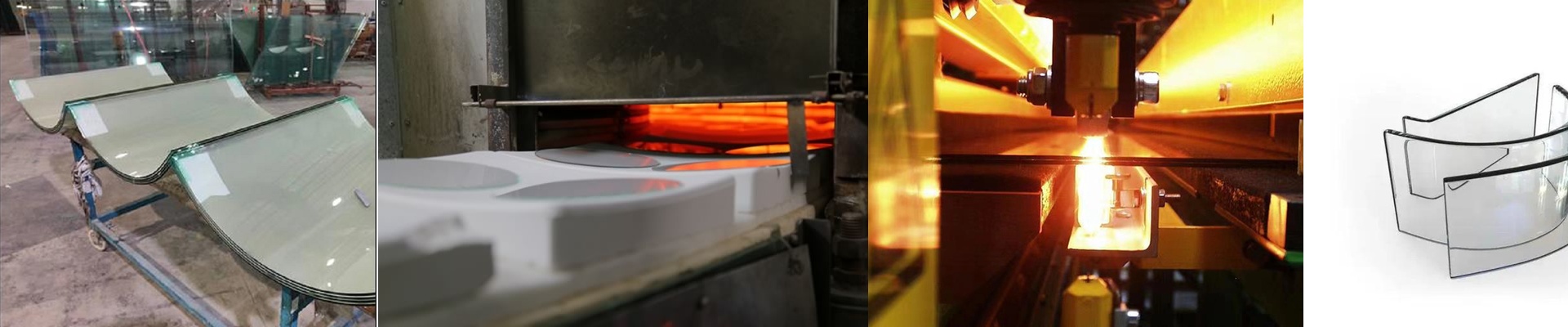
Inside, you’ve got a halogen element sealed in a quartz envelope. Quartz is tough—it handles the thermal shock and keeps the output steady. Meanwhile, the halogen cycle does its thing, keeping the filament life consistent by redepositing that evaporated material back where it belongs. The coating is all about pushing useful energy where you need it. It’s built for high infrared transmission, so more of the heat goes straight to the target instead of getting wasted as convective heat. And when it comes to installing? The R7s connector is a straight drop-in fit for standard ceramic holders. No adapter plates. No custom wiring harnesses. Just plug it in and go.
Application & Benefits: Efficiency Under Control
This is the heater you run when you need focused heat, fast. Think enclosed workspaces, process chambers, equipment cabinets—places that need to stabilize quickly. The Eco mode helps by cutting the duty cycle and limiting idle losses. But let’s be real: with 2500W at 400V, you’re dealing with serious power. That means proper cooling and ventilation aren’t optional—they’re part of the deal. So make sure your control wiring, thermal management, and overcurrent protection are all spec’d to match the load.
Reality Check: Match the System to the Load
A 400V, 2500W tube throws down serious heat. No surprise there. But that heat also raises the ambient temperature inside the machine. Plan for it. Size your cooling to match. And make sure the power feed can handle both the inrush and the steady-state load. This is a performance heater. Treat it like one—plan the installation the same way you would for any high-power component.