
The Power Behind the Warmth: A Quick Look Under the Hood
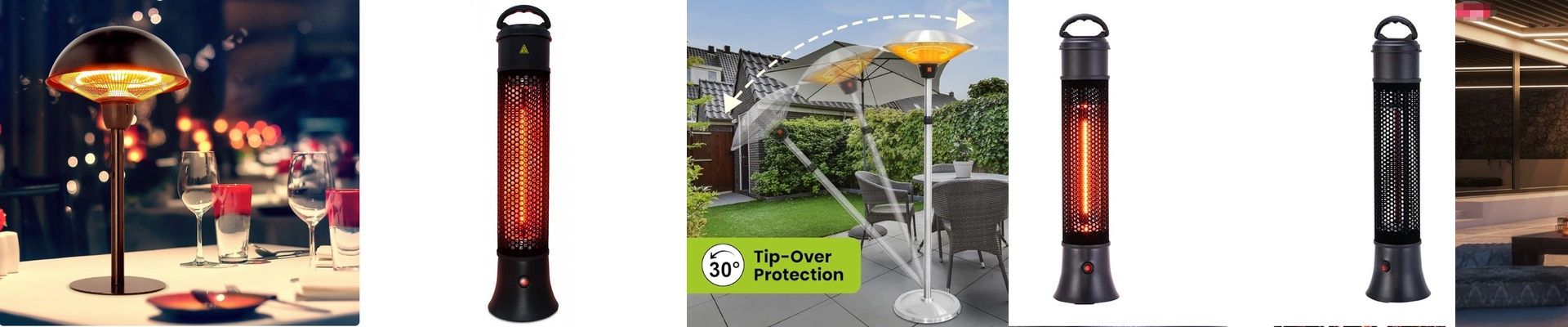
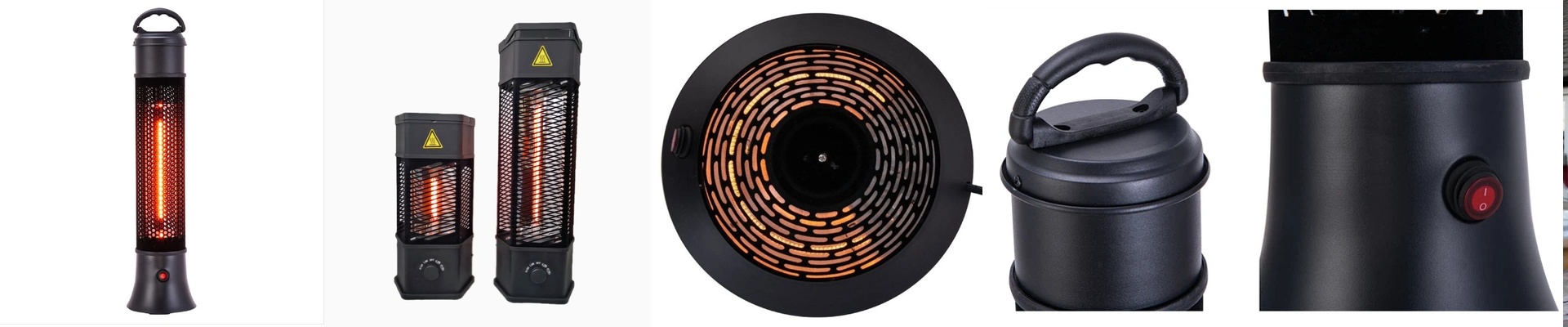
Here’s the thing about this pet heater: we built it from the ground up to be a safe, steady source of warmth. It all starts with a 400V, 2500W halogen tube. That power might sound intense, but it’s actually a clever trick. It lets the heater pull less current, which means you can use thinner wiring and still get the heat where it needs to go without losing power along the way. And the size? It’s surprisingly compact—just 300mm long and 10mm across. That means it slips into tight spots without making a cramped enclosure feel even more crowded. But the real magic is how it delivers the heat. It doesn’t just warm the air. It sends out focused infrared warmth that goes straight to surfaces and animals. So you’re not waiting around for the whole space to get cozy.
What It’s Built From—And Why It Matters
Inside, you’ll find a quartz halogen capsule. It’s coated with a special reflective layer that does two important jobs: it pushes the heat forward where you need it, and it shields the element from drafts. That halogen chemistry also keeps the filament stable, so the heat stays consistent over the life of the heater. No flickering. No surprises. Then there’s the R7s connector. It’s an old industrial standard, and for good reason. It’s straightforward to wire, holds up mechanically, and can handle the high heat inside the fixture without blinking. Plus, that coating on the quartz helps it handle thermal shock, so it can take a little rough handling during setup without cracking.
Warmth, Built for Safety and Speed
When you’re heating a pet’s space, safety isn’t optional. The design of this heater creates a predictable heat zone with a sharp drop-off. That means your animal can move closer when they need warmth and step back when they’ve had enough. It gives them control. And the heat itself? It’s fast. Instant on, instant off. No lag, no cycling. Just steady warmth when you need it. Now, because this is a 2500W heater packed into a small space, it does need the right setup. Make sure the enclosure has proper ventilation, and mount the fixture so there’s no chance of direct contact. When you do that, you get a safe, reliable installation you can count on.