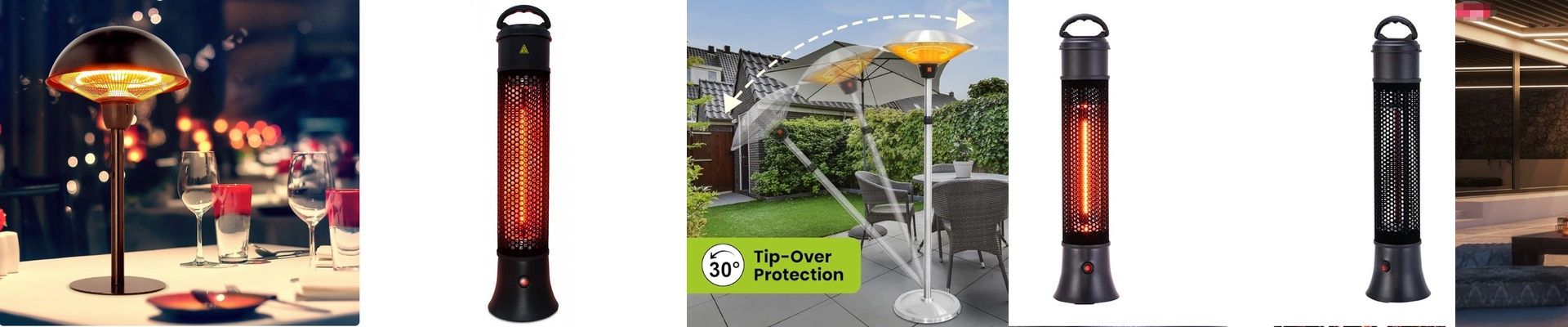
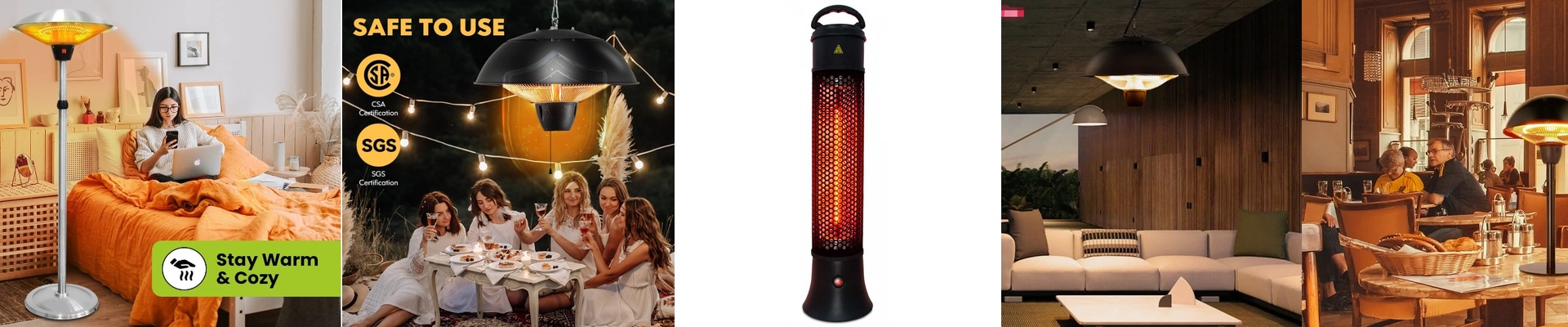
A single speck of dust on a priceless exhibit, a tiny temperature swing in a lab chamber—either one can throw a wrench in the works. When your space has to stay spotless and hold a steady thermal, forced-air heat is the wrong call. It kicks up particles, dries everything out, and makes control feel more like guesswork than tuning.
What matters, under the hood
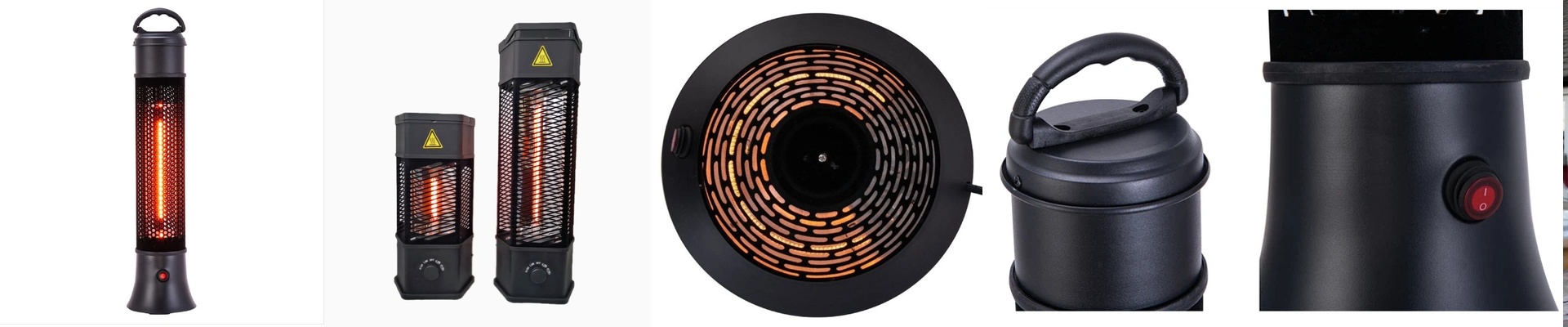
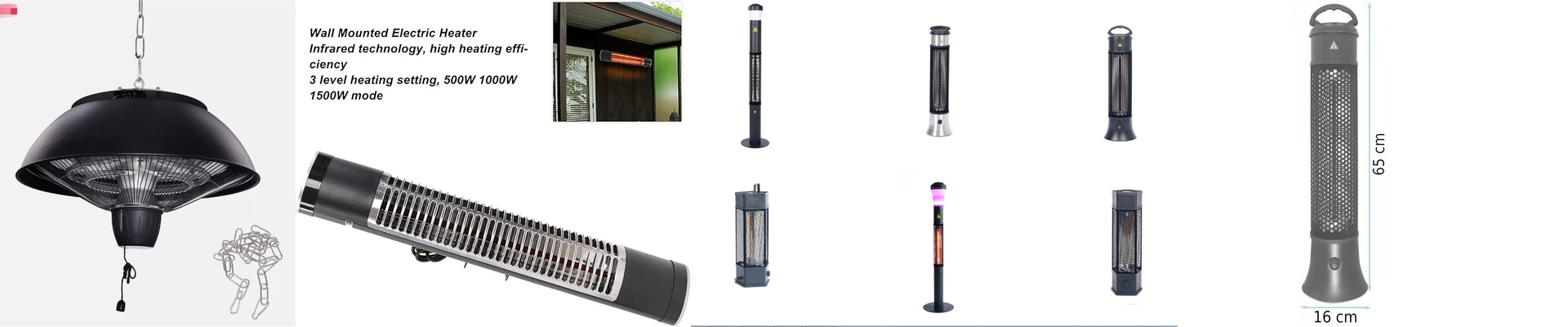
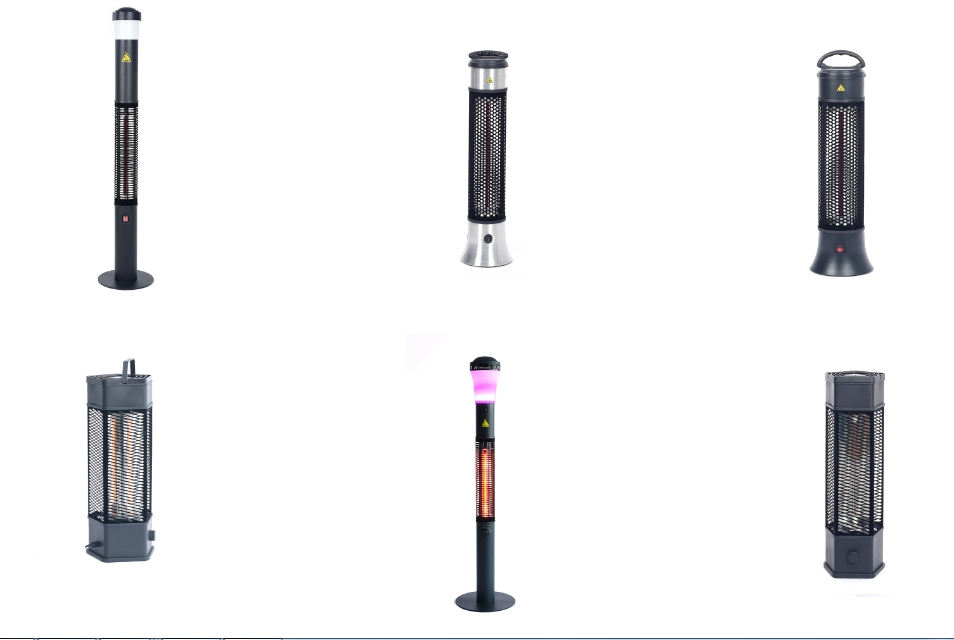
We built this infrared electric heater around a clean radiant core. It warms objects and people directly, not the air in between. Short-wave elements come up to temperature fast, then hold steady. You get even warmth across the target area with no fan to stir dust around. No moving parts means it runs quietly and stays low-maintenance. The control interface lets you dial in fine resolution, so you can set the comfort level your process actually needs, not just a broad range.
Why this approach fits these spaces
In a display window, you want eyes on the story, not on the heat source. Infrared warmth feels natural, stays localized, and avoids drafts that can make delicate fabrics or finishes shift. In a high-precision lab, stable temperature equals repeatable results. The no-blow design keeps work surfaces cleaner, and the quick response helps you track tight thermal profiles without overshooting. Energy use stays sensible, too, because the heat goes where you need it instead of trying to warm the whole room.
The practical details you need
Infrared heats surfaces first, so coverage comes down to line-of-sight and distance. Plan your placement so the beam pattern hits the intended zone evenly, and keep a small clearance from sensitive materials. For continuous lab use, check the power draw against your circuit capacity, and use a dedicated outlet when you can. This is a focused solution—built for targeted comfort and control, not a whole-room replacement.