

You see a lot of heaters come through the door, and let’s be honest—most of them are questionable. On job sites and in supply rooms, the same question keeps coming up when you’re ready to buy in bulk: what actually makes the cut? For me, the answer is straightforward:**go with heaters that carry full CE certification.**Without it, you’re gambling on safety, consistency, and uptime.
What matters under the hood
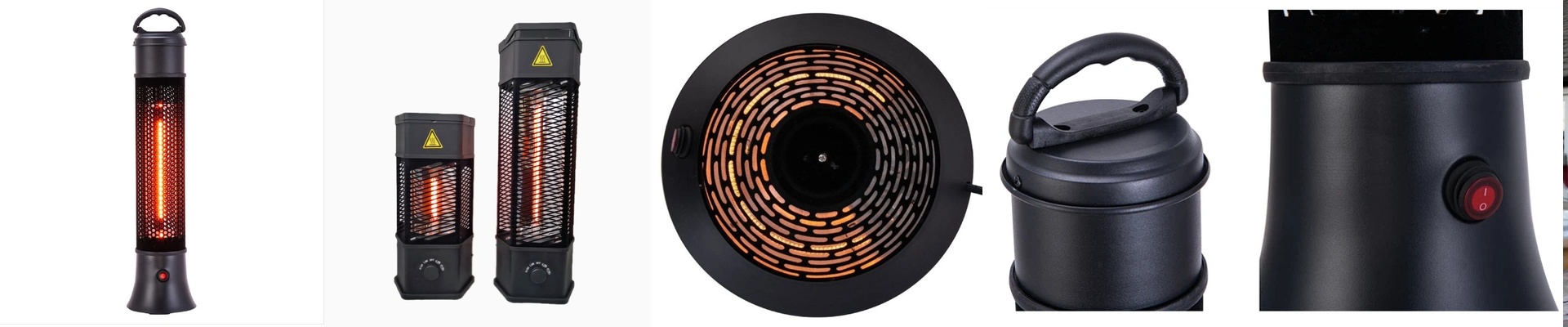
CE certification means the unit meets strict EU safety, health, and environmental standards. On the bench, a CE-certified infrared heater leans on engineered components—quartz tubes or carbon fiber elements—that deliver instant radiant warmth without heating the air. Many models run off standard 230V circuits, pulling 1.5–3 kW, and they come with built-in thermostats, overheat protection, and tip-over switches. That translates to predictable output, stable performance, and fewer field failures.
Why this is the filter in a crowded market
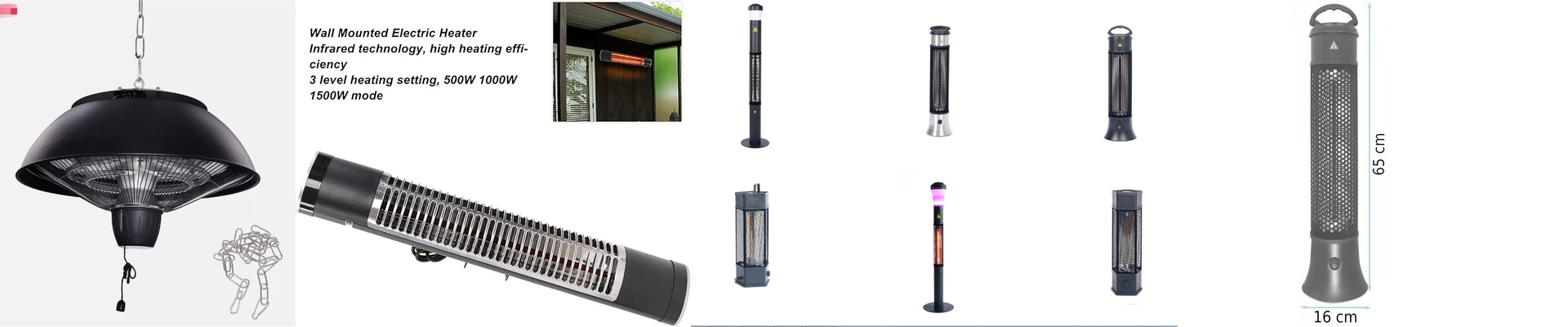
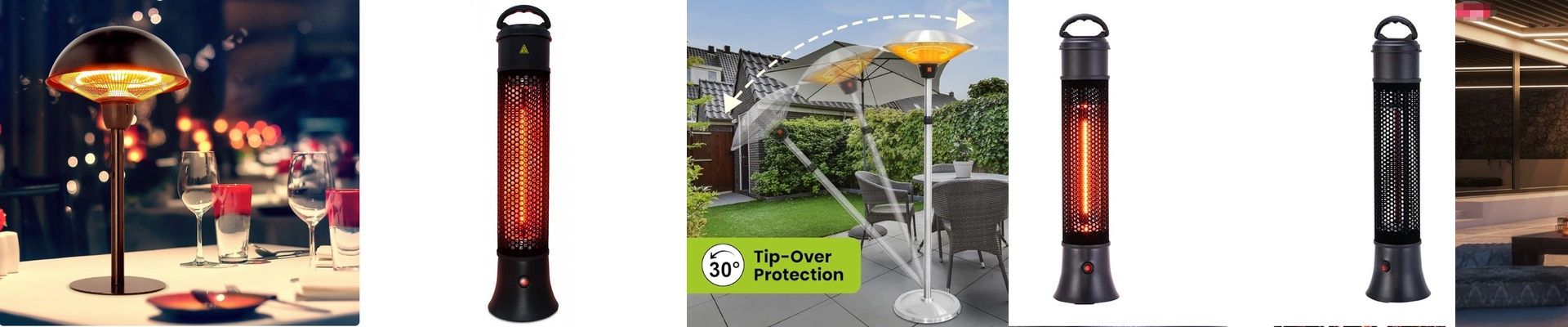
When the market is flooded with look-alikes, certification is what separates the gear from the guesswork. CE-marked infrared heaters give you reliable, localized heat for workshops, temporary workspaces, and outdoor seating areas—places where drafts and slow warm-up just kill time. Radiant heat warms people and objects directly, so comfort shows up fast, even when doors keep opening and closing. For bulk buyers, that means fewer warranty calls, lower replacement costs, and consistent comfort that keeps people working instead of waiting around.
The details that keep you out of trouble
CE approval covers the complete product, not a DIY assembly. Verify the model number and the certification documentation on the unit itself and in the datasheet. Plan for dedicated circuits that match the rated load, and remember infrared warmth performs best in open or semi-enclosed spaces—fully sealed rooms may need supplemental air heating. Match wattage to the area, and you get steady comfort with minimal fuss.