
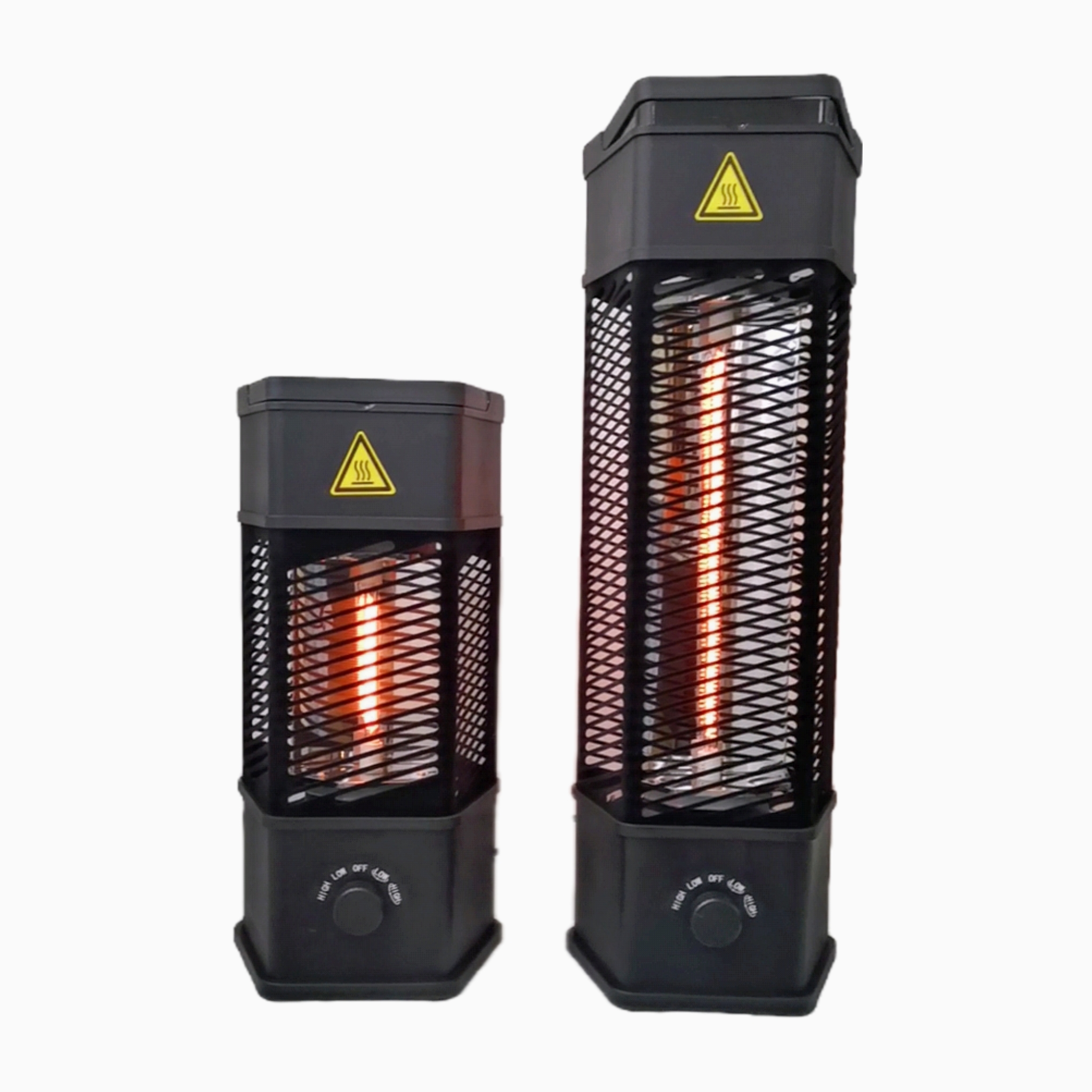
On a cold night, nobody wants a heater that stalls. Comfort isn’t a perk—it’s the expectation. And that expectation is earned before a unit ever leaves the plant. On our floor, every infrared space heater runs a full-power, full-load aging burn-in. No shortcuts.
What actually matters, technically
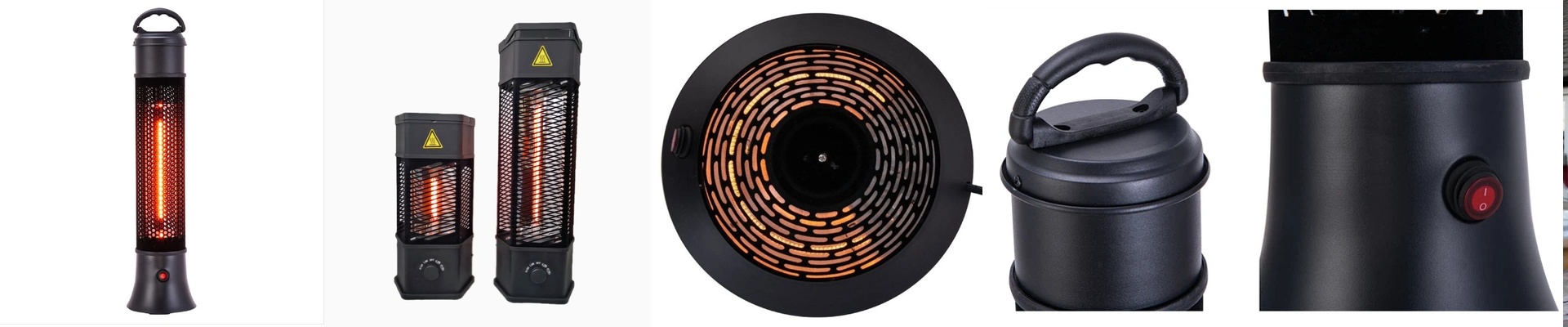
A high-power infrared space heater throws radiant warmth, not a blast of moving air. It heats people and objects directly. Inside, you’ve got a high-purity quartz tube or a carbon fiber element that turns electricity into focused infrared heat, coming up to operating temperature fast—within seconds. We pair that with a responsive thermostat and the basic safety features people rely on: tip-over cutoff and overheat shutdown. Those specs aren’t just numbers—they show up as steady output, predictable cycling, and fewer early failures.
Why the burn-in makes a difference
The situation is straightforward: you need heat, and you need it now. A heater that underperforms can cut an outdoor evening short, or leave an indoor workspace uncomfortably chilly. So we run every unit through 100% full-load aging, pushing it at maximum demand. That catches weak components and marginal connections before the customer ever plugs in. The payoff is a lower defect rate, more stable temperature behavior, and the confidence that it will fire up and hold steady the first time—and keep doing it after that.
The practical stuff
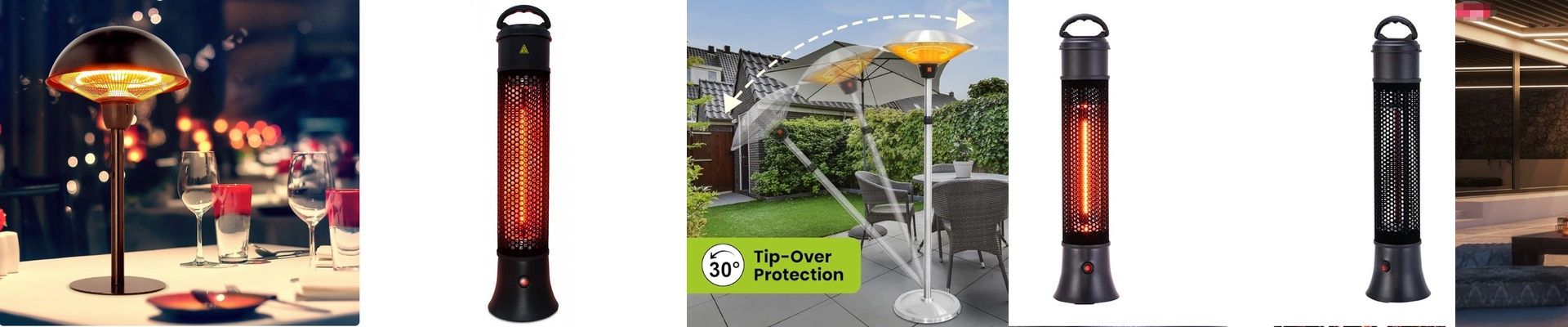
Radiant heat is directional, so placement matters for even comfort. Put the heater where it covers the main seating or work area, and keep it away from combustible materials and damp spots. Most electric infrared heaters run on standard household circuits, but high-wattage models may need a dedicated outlet. And keep this in mind: infrared warmth feels immediate, but it doesn’t heat the surrounding air. If you want broader air movement, pair it with a gentle fan, or pick a model that adds a fan-assisted mode.