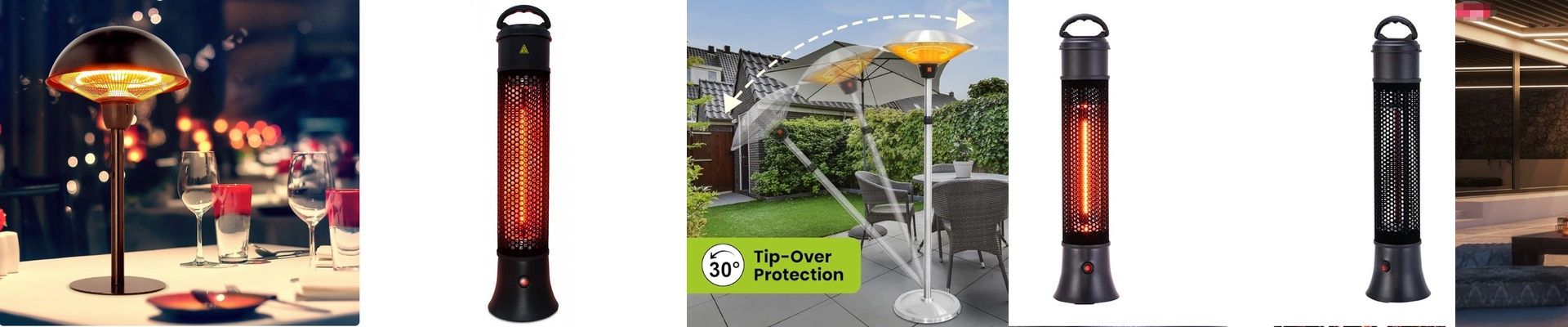

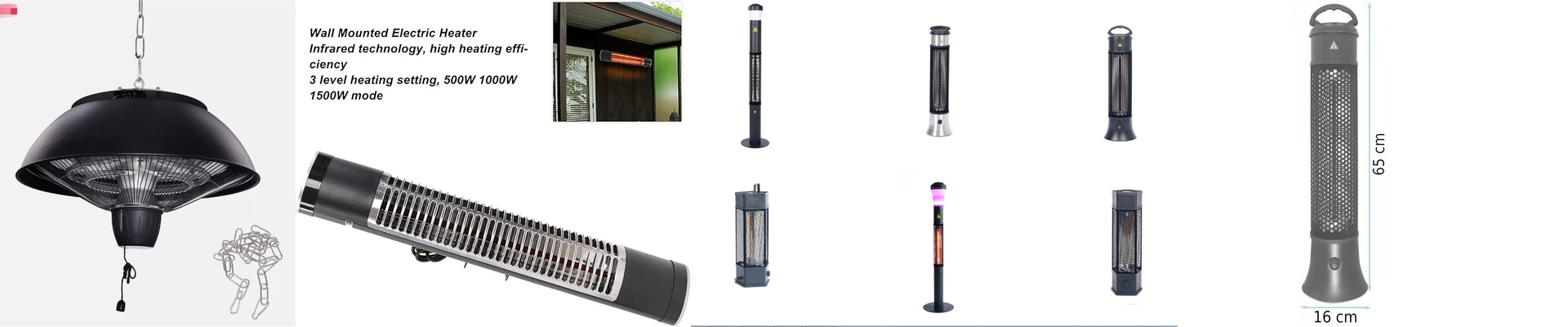
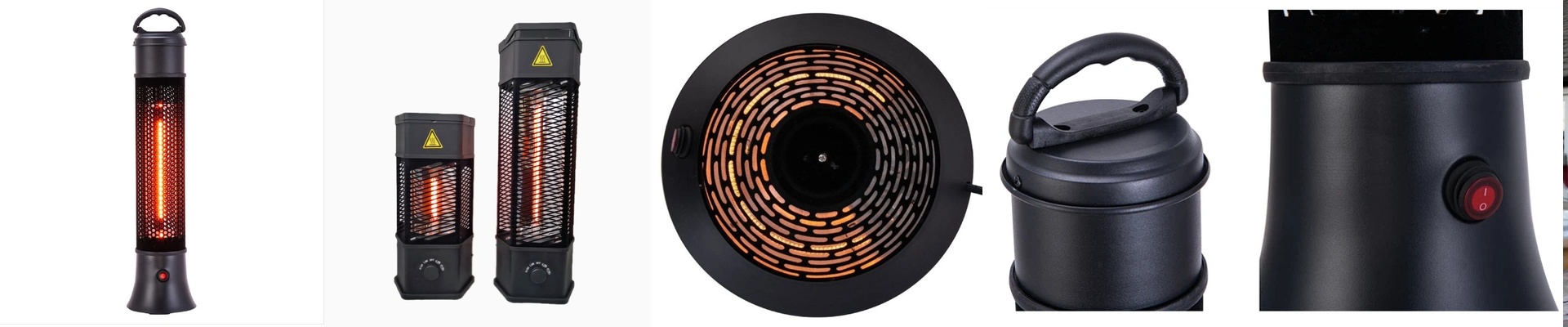

Ever notice how dust on velvet in a display window can kill the whole look? Or how air movement in a lab can throw off a micro-calibration? Traditional convection heat moves air—and everything in it—so you get particulates and uneven temps. We built our pipe heater electric to sidestep that. It delivers infrared warmth that leaves the air alone. What’s actually happening under the hood The pipe heater electric uses a quartz infrared element to put out radiant heat—no fan, no blowing air. You get clean, quiet warmth that heats people and objects directly, not the air around them. Output is adjustable via a thermostat and a fine-tune control, so you can hold a stable target instead of chasing temperature swings. The body is sealed against dust, and the element sits inside a solid pipe housing that’s ready for overhead or wall mounting. Coverage across the beam stays even, and response is quick when you change the setpoint. Why this matters in practice In display windows, the heat stays invisible and the merchandise stays spotless. In precision labs, the air stays still, so instruments and samples aren’t disturbed by drafts. The infrared profile keeps surfaces at the right temperature without drying things out or stirring up the environment—helpful for protecting materials and stabilizing readings. Because it heats what you target rather than the whole space, it can be more efficient and cut the time needed to reach and hold your conditions. A few field notes Mount the pipe heater electric so the infrared beam covers the area you want to keep warm, and keep clearances clear. It needs a dedicated circuit—match the voltage and connector type to your site. The design keeps dust issues to a minimum, but don’t point the beam straight at highly reflective surfaces; you can get glare and uneven heating. For solid performance, pair it with a suitable thermostat and schedule routine checks on the mounting and electrical connections.