
Stop Wrestling With Your Glass Molding Lamps
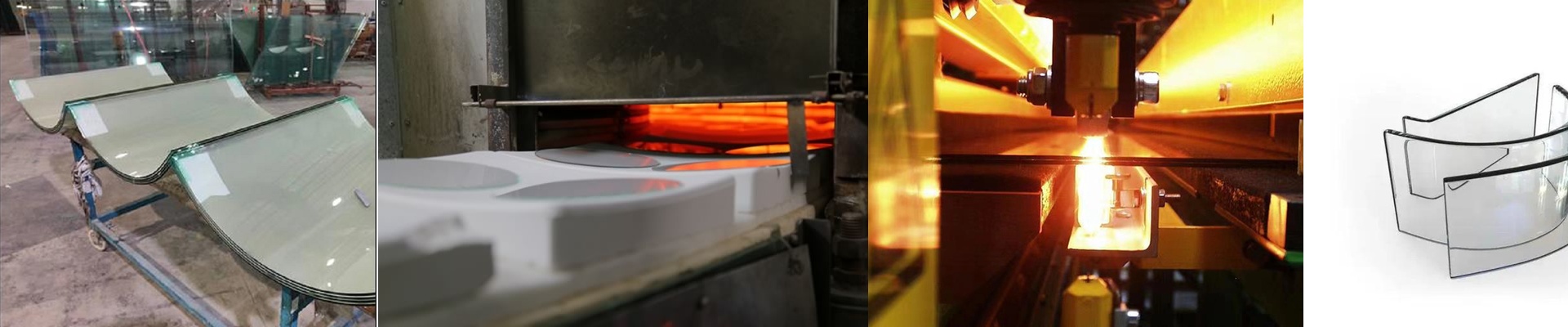
If you’ve spent any time on a glass molding floor, you know the drill. You need precise heat to keep the glass clear and stop those annoying stress fractures from ruining a batch. But the real nightmare isn’t the heat—it’s the hardware.
The Connector Headache
Here is the thing: every machine seems to have its own weird way of doing things. One uses screw-in bases, another uses R7s sockets, and some just use custom interfaces that look like they were designed to be difficult. Usually, when a lamp burns out, you’re stuck. You either wait weeks for a proprietary part from the OEM or you start hacking away at the machine’s wiring just to make something fit. We got tired of that. So, we built our lamps to just work. No matter if you have standard spiral heads or some odd-shaped connector, these are drop-in replacements. You plug them into your existing footprint and get back to work. No cable cutting. No swapping housings. Just plug and play.
The Heavy Lifting (The Tech Stuff)
To get glass to its softening point quickly, you need a lot of power packed into a small space. To handle that, we use heavy-wall quartz tubing. It stays straight and doesn’t bow, even when the thermal expansion gets intense. Inside, we use a halogen cycle. It keeps the filament from evaporating too fast, which means your tubes actually last. Depending on your power grid, you can pick different voltages. High-voltage setups are great for longer tubes because they don’t pull as much current. Just a heads-up: that does put a bit more stress on your socket contacts, so keep an eye on them.
Getting it Installed
The best part? It’s fast. Since the interface is universal, you don’t have to spend an hour recalibrating the lamp position every time a bulb pops. You swap it, flip the switch, and you’re moving again. One quick tip: if you decide to jump up to a higher wattage lamp, just double-check your cooling fans and heat shields. More power means more heat. You don’t want to accidentally warp your machine frame because the cooling couldn’t keep up with the new lamp’s output.