
Why a fully sealed infrared lamp beats regular heat for drying glass
Here’s the thing about a coating line: moisture isn’t your only headache. Airborne powder is the real troublemaker. With standard heating tools, air gets pulled across hot elements and then blown right onto freshly dried glass. That’s how you get contamination—again. We built our handheld glass drying light around a fully sealed infrared chamber. The whole point is simple: heat the surface without kicking up dust. It’s all about fast, localized drying. The lamp throws high-intensity infrared energy in a tight beam, so you dry exactly where you need to and leave the rest alone. No more warming the whole area. Just targeted heat where you want it.
Power, voltage, and feel—built for the real shop floor
We designed this for actual work, not showrooms. You need high power density to flash-dry solvents and water films on glass fast. But that also means managing the electrical and thermal load. So we configured the lamp for industrial voltages. You can wire it straight into your plant power without overhauling the station. The tube length is a sweet spot: long enough to keep the beam stable, short enough to move around fixtures and tight edges. High heat means fast drying, yes—but it also means you need proper cooling and smart operator positioning. If your process runs continuous cycles, your setup has to handle the waste heat.
Material, coating, and sealing—built for the messy environment
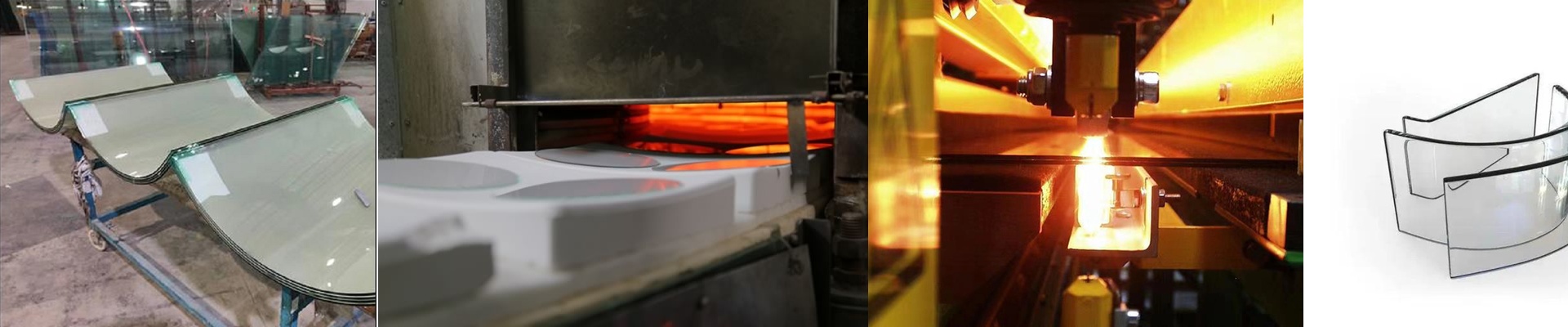
The heating element sits inside a quartz envelope. Quartz handles wild temperature swings and keeps performing, even when the shop is harsh. The chamber is fully sealed to keep air out and particulate out of the beam path. We also added a specialized outer coating that cuts heat loss and boosts durability. It matters when the lamp gets moved between stations, wiped down, and exposed to cleaning chemicals. And the connector? Chosen for quick install and solid contact. Wire it once, and it stays reliable even with vibration and constant handling.
Where it shines: coating lines and glass that stays clean and dry
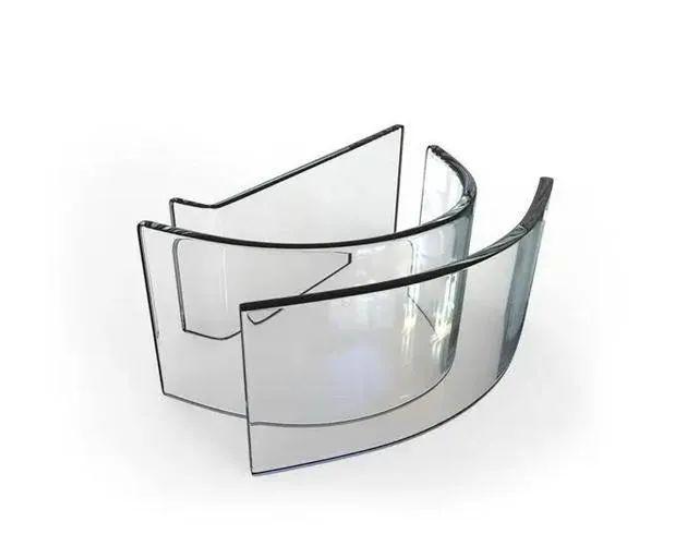
On coating and painting lines, the lamp dries glass right after cleaning or between coats. Because the system is sealed, it doesn’t pull floor dust onto wet surfaces. Engineers use it to hit edge seals, corners, and curved panes without overspray or rework. You get consistent dryness with far fewer contamination defects. In a coating shop, your heat source shouldn’t become another source of contamination. That’s exactly why we built it this way.