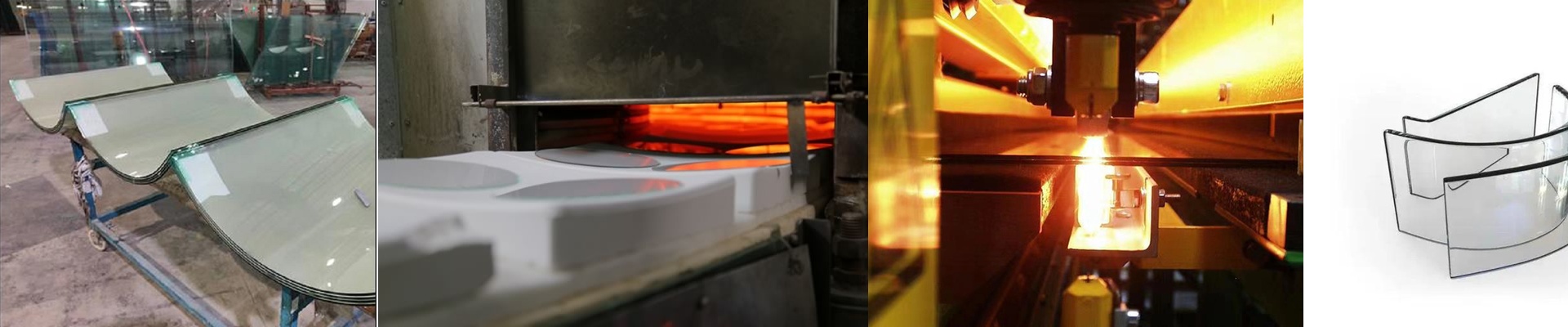
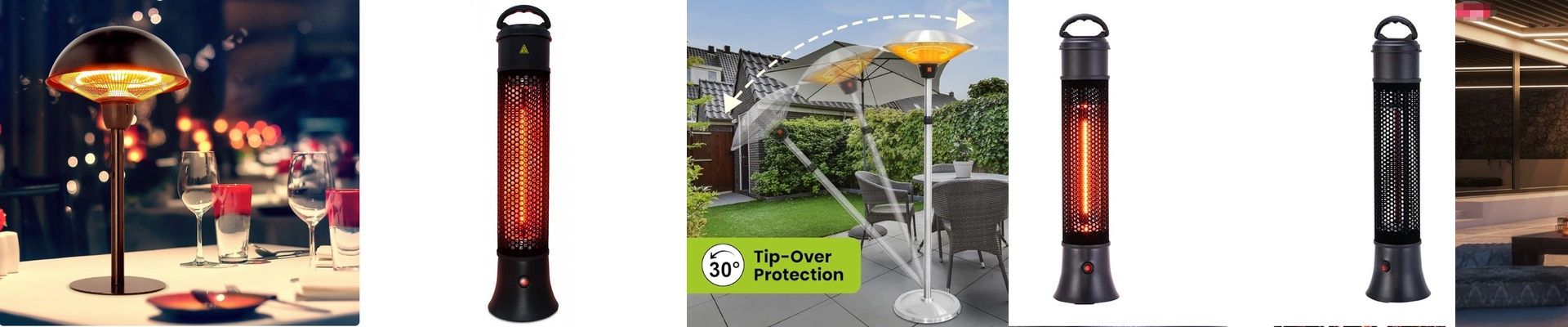
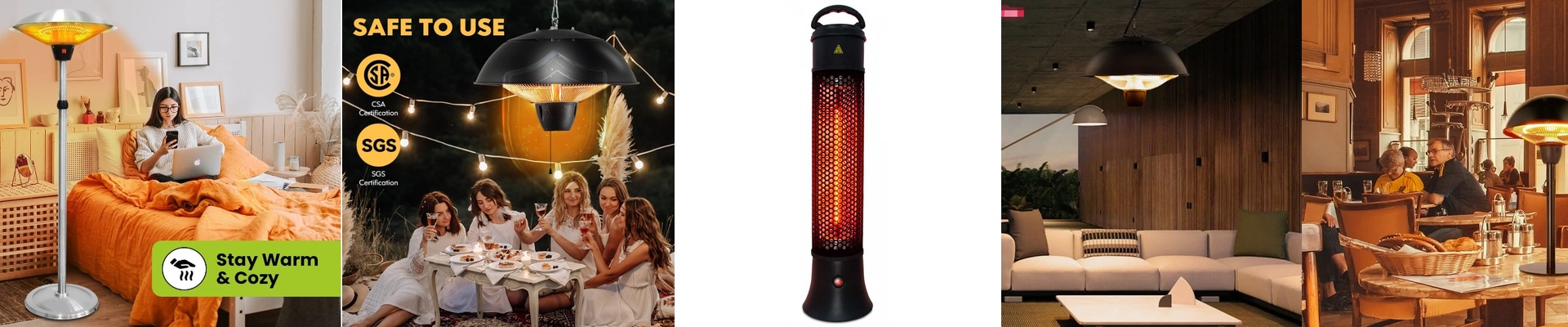
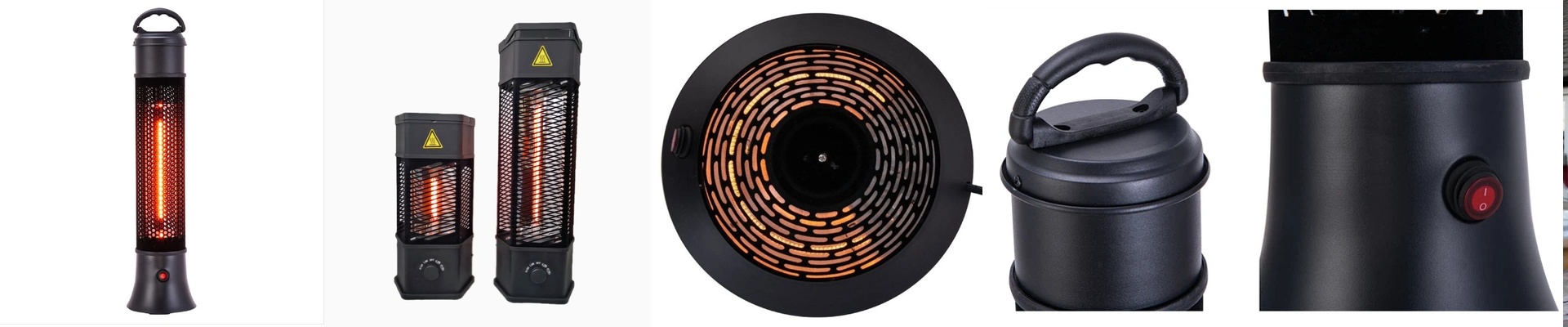
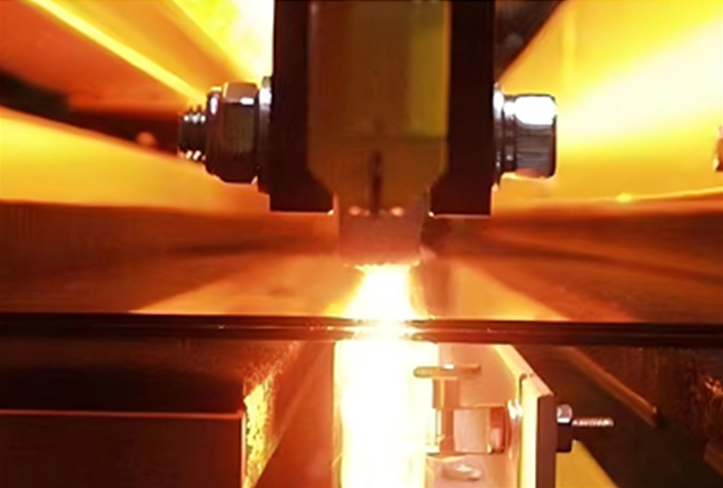
Out on the line, uneven coating cure is basically a one-way ticket to scrap. You get haze, adhesion issues, and thermal stress cracks when the heat isn’t consistent across the glass. We built our uniform coating drying module to stop that waste where it starts, by putting predictable, controllable energy right where the coating needs it. What actually matters under the hood The module runs on a compact array of near-infrared (NIR) emitters, tuned for fast, surface-driven heating with minimal convection. That gives you a stable thermal field across the full width of the glass, not a patchwork of hot spots and cold zones. You can adjust output to match line speed, and map the heating profile to different coating thicknesses and emissivity. The hardware is spec’d for plant life: quartz components, standard electrical and mechanical interfaces, and a modular layout that makes swap-outs quick when it’s time for maintenance. Why this works in glass processing Coating drying sits right between deposition and downstream forming, so you’re always balancing cycle time and quality. Uniform drying cuts rework and keeps the line moving. You get a consistent cure without overheating the substrate, which lowers the risk of warp and thermal stress. Energy use drops because NIR heats the coating directly, not the whole room. And it integrates as a drop-in into existing coaters and dryers, so you don’t have to change your footprint or rework the schedule. Here are the practical details NIR drying is line-of-sight, so geometry and fixture shadows matter. We size the emitter array and optics to cover the active area and keep edge effects to a minimum, but you still need to confirm part clearances and shielding. Installation is straightforward, but you have to match voltage, cooling, and control signals to the host machine. Plan a short commissioning run to set power limits and dwell time; after that, the process runs with repeatable results.