
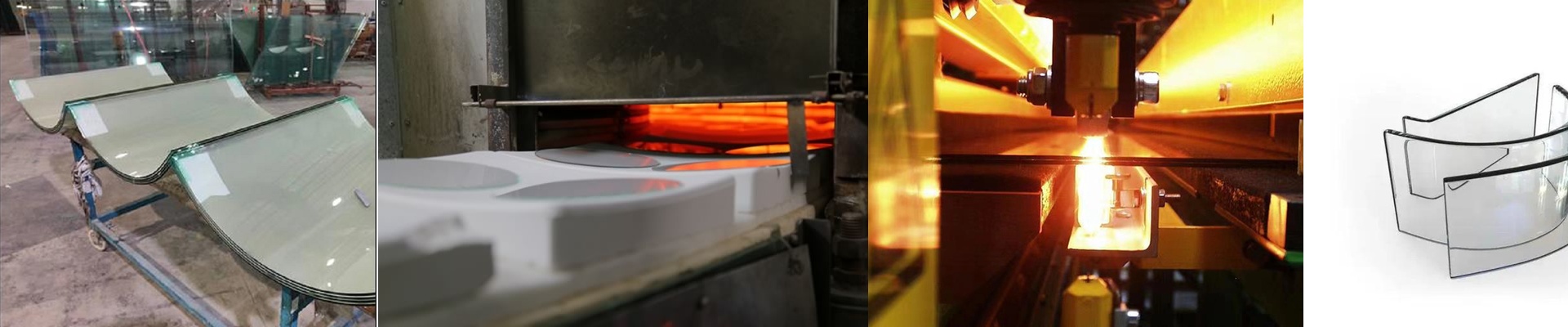
On the bending line, the oven is lit and the conveyor keeps rolling, but the glass still throws roll-wave, edge lift, or a clean snap. More often than not, the culprit is uneven heat. Hot pockets and cold zones set up thermal stress that shows up later—during shaping, tempering, or even after the part is installed. We built our uniform heating modules to kill that drift where it starts. What actually matters under the hood We run short-wave quartz emitters in a dense, engineered layout so the heat comes fast and direct, and you can control it tightly. The emitters are matched to industrial power and control interfaces, so they drop into existing bending furnaces and retrofit lanes without rewiring the whole line. Zoned layout and reflector geometry keep the thermal field even across the glass surface, cutting hot spots and edge losses. You end up with a repeatable temperature profile that stays within a narrow band, so every sheet gets the same heat history. Why this matters on the floor In bending, repeatability is the scoreboard. When heating is uniform, you lose less scrap to thermal stress fractures and shape deviation, and you can shorten the heating window without pushing the glass. That means more cycles per shift and less downtime chasing rejects. Energy use drops because the system heats quickly and holds the set point without overshoot, and the quartz elements keep output steady over long runs. In practice, you get steadier sag control, cleaner bend geometry, and fewer callbacks downstream. A few practical details The module needs a stable power supply and proper clearance around the emitters—airflow and mounting tolerances directly affect uniformity. It fits most standard bending furnaces, but some older ovens may need minor bracket changes or a re-routed wiring harness. Plan the retrofit around a scheduled stop so the line can be re-profiled and validated before you start full production again.