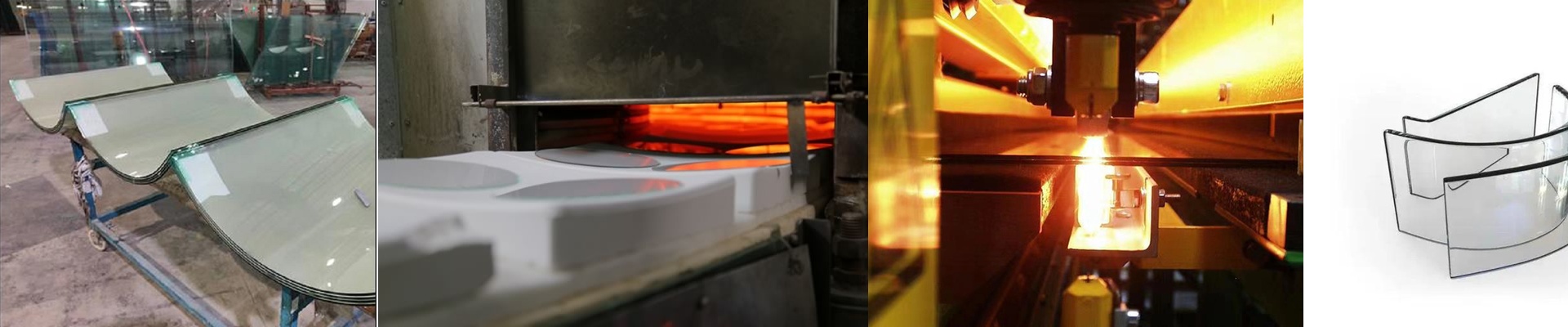
On the line, annealing isn’t a nice-to-have—it’s the last gate before the pane leaves the plant. If the heat isn’t right, you’re staring down bow, warp, and hairline stress cracks that show up at inspection or, even worse, after the glass is in the frame. We built our low-cost annealing lamp to take that risk off the table without breaking the budget. Here’s what matters under the hood. We run short-wave infrared (NIR) emitters inside a quartz envelope, tuned for snap response and clean directional radiation. That gives you a uniform thermal field across the full width of the glass, with tight control around the annealing point. Peak power is matched to line speed and thickness, and the voltage and dimensions are chosen to drop straight into the fixtures you’re already using. This isn’t convection heat. It’s direct, radiant energy that hits the surface, keeps air movement to a minimum, and shortens the time it takes to hit—and hold—the annealing profile. In production, the payoff shows up fast. Faster ramp-up means shorter cycle times, so you get more square meters out per shift. Directional radiation cuts heat loss to the surroundings, which drops energy use and stabilizes the temperature curve—especially when you switch between clear, coated, and tinted glass. Because the thermal field stays even, stress drops and first-pass yield climbs. These units have run 5,000+ hours with less than 5% output drop, which translates to fewer lamp changes and less downtime. Installation is straightforward, but alignment is non-negotiable. The lamp has to be positioned so the radiation pattern covers the glass evenly—uneven spacing will give you hot and cold bands. Expect the housing to run warm. Keep clearances and make sure ventilation is in place. If you’re running 24/7, put periodic emitter checks on the schedule to keep output consistent. The lamp is cost-effective, but it still needs the same discipline as any industrial heating system.