Why Fast-Response IR Lamps are a Must for Glass Annealing
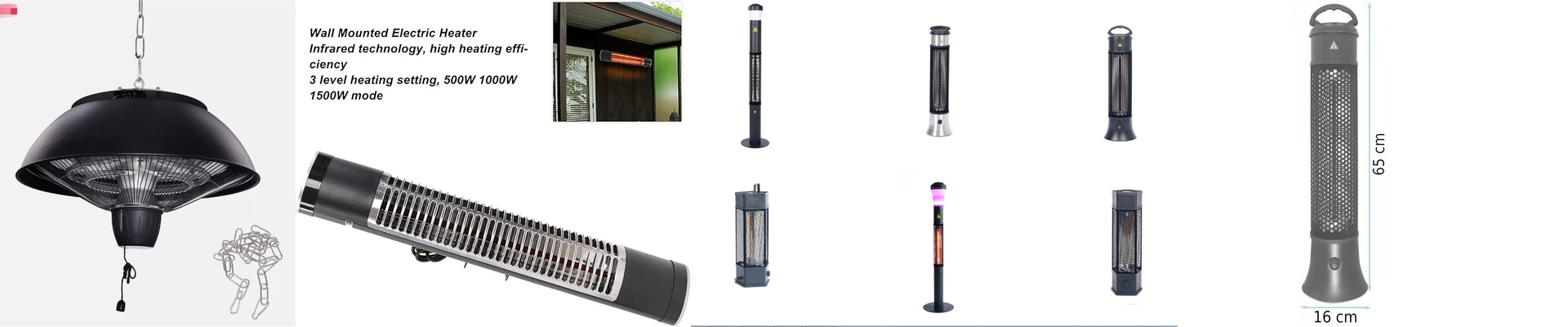
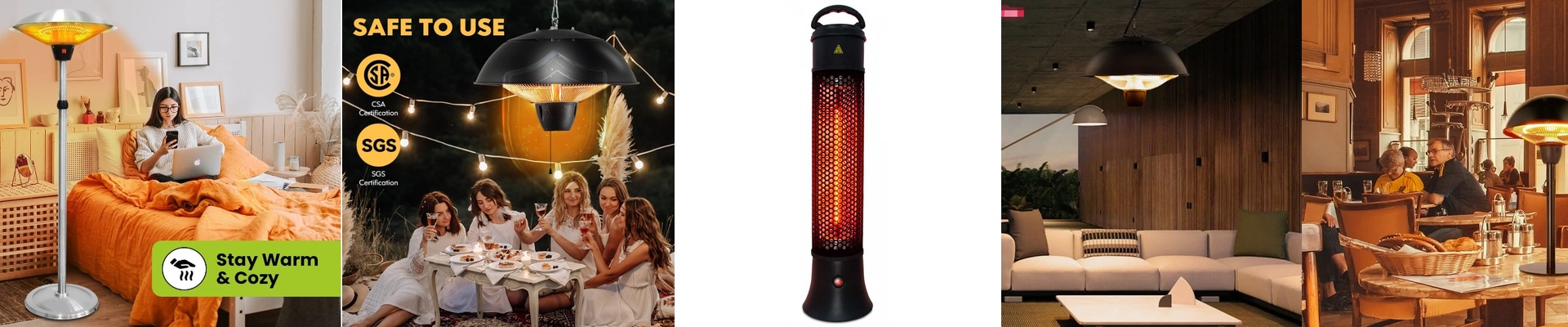
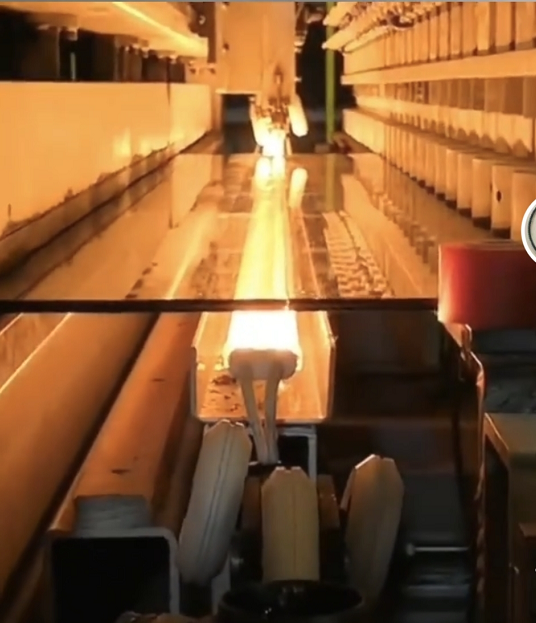
If you’re running a continuous glass tube line, you know that thermal lag is a nightmare. There’s nothing worse than a heating element that takes forever to warm up or can’t keep up when your line speed shifts. That’s how you end up with uneven stress and, eventually, a pile of broken tubes. That’s why we lean on shortwave infrared (SWIR) lamps. Instead of wasting time heating up all the air in the room, these lamps shoot energy straight into the glass. It’s direct. It’s efficient. The struggle with heat timing Most standard heaters have way too much “thermal mass.” Basically, they stay hot long after you’ve flipped the switch off. It’s clunky. We use halogen-filled quartz lamps because they hit full power almost the second you turn them on. This lets you tweak the heat on the fly. If the line speeds up, the lamps ramp up instantly to keep that annealing point steady. And if the line stops? The heat drops fast. You won’t have to worry about the glass overheating and warping just because the belt paused for a moment. Packing a punch in a small space Online annealing usually means you’re working with a tight footprint. You don’t have room for a massive oven, so you have to cram a lot of heat into a short tunnel. To make this work, we use high-voltage setups. It lets us get that intense power density without pulling so much current that you trip every breaker in the building. We wrap everything in quartz to handle the brutal internal heat. Plus, these are designed to be “drop-in” replacements. If a tube burns out, you just swap it and keep moving. No need to spend half your day recalibrating the whole zone. The catch: You’ve got to cool it down Here’s the thing: these lamps put out a massive amount of energy. While the glass is soaking up the heat, the housing and reflectors are taking a beating from all that reflected radiation. You can’t skimp on your cooling fans or heat sinks. If your airflow is weak, you’re asking for trouble—warped fixtures or fried wiring. Keep the air moving, and your electronics will stay stable while the tubes are running at full blast.