Mastering the Enamel Curve on High-Speed Glass Lines
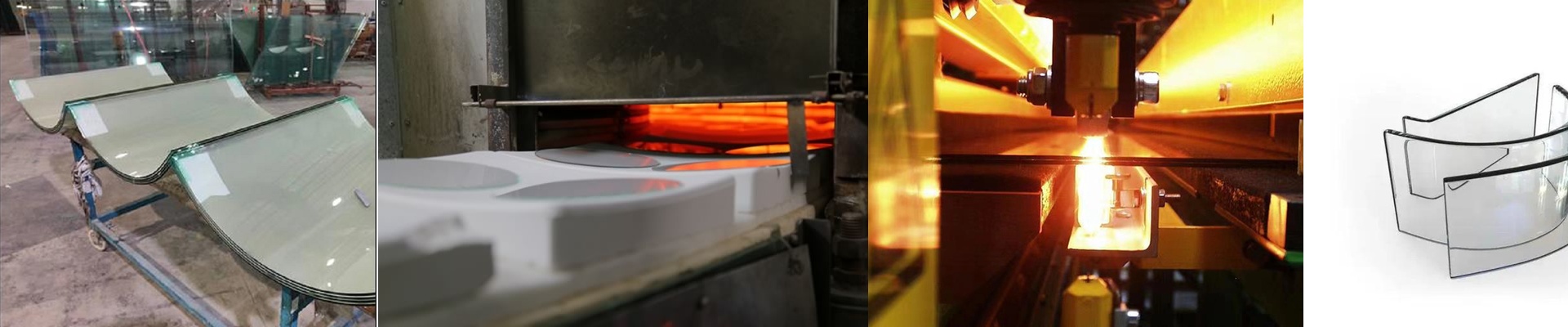
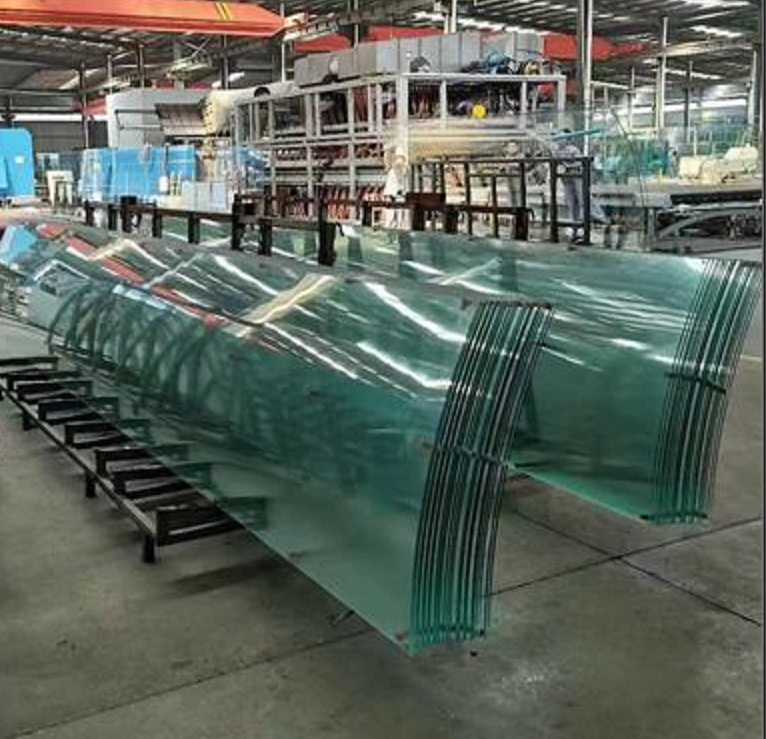
We built this infrared heating system for one specific reason: to give you total control over the enamel curing curve on long glass lines. The whole idea is simple—hit the exact temperature the coating needs, without ever overheating the glass itself. And you get that control zone by zone. So you can ramp up, hold steady, and cool down right where the process calls for it. No guesswork. Just precise, repeatable results.
The Power Behind the Process
Here’s the thing about getting that perfect cure on a fast-moving line—you need serious power. That’s why we run this on a 400V high-voltage supply. It delivers the kind of punch you need for rapid, localized heating, hitting those target temps fast, no matter how fast the line is moving. We also chose a 300mm tube length on purpose. It gives you a focused heat footprint that lines up perfectly with standard coating widths. And when you stack them in a dense array, you get uniform coverage across the whole surface. The 2500W rating? That ensures you have enough heat flux to drive off solvents and kick off cross-linking—without ever forcing you to slow the line down.
Why the Details Matter: Quartz and R7s
We use a halogen-based shortwave infrared element inside a quartz tube. Why? Because this combo gives you lightning-fast thermal response and seriously efficient heat transfer. And that coating on the tube isn’t just for looks. It shields the element from the harsh environment and keeps output stable, day in and day out. Then there’s the R7s connector. It’s a proven industrial workhorse. It handles high current, installs quickly, and locks in a rock-solid mechanical and electrical connection. On a long line, that means fewer hot spots, fewer failures, and a lot less downtime.
The Payoff: Curing Without Slowing Down
On long glass lines, enamel needs a carefully controlled thermal profile. With zone control, you can apply the right heat at the right moment. Hold the temperature long enough for a full cure, without scorching the glass. And when line speeds change, you can adjust per zone with ease. Now, packing this much power into a compact footprint does create significant local heat. So your cooling and shielding need to be properly sized. But when it’s all dialed in, here’s what you get: repeatable curing, fewer rejects, and a system that wires up and tunes in just like any standard industrial heater.