
Why Your IR Lamps Are Ruining Your Glass (And How to Fix It)
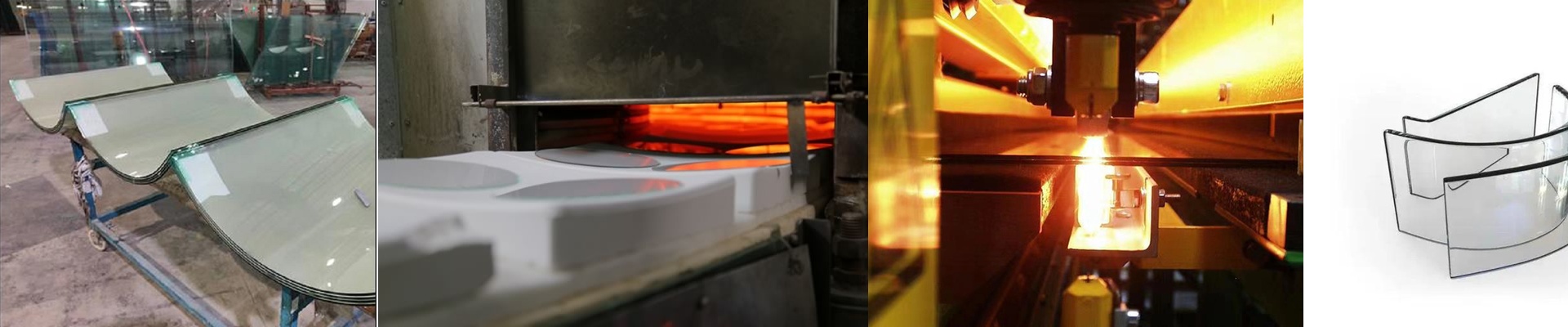
Ever pull a batch of glass out of the oven only to find a warp or a tiny internal crack that wasn’t there before? It’s frustrating. You did everything by the book, but the final QC check still flagged it. Usually, the culprit isn’t your process—it’s your lamps. Here’s the deal: if you’ve got a bank of infrared lamps and one of them is even slightly weaker than the others, you’re in trouble. Maybe Lamp A is pushing 2000W, but Lamp B is lagging at 1900W. It doesn’t sound like much, but in the world of precision glass, a few degrees of difference changes how the material flows. You end up with “cold spots.” Those spots create uneven stress, and that’s where the cracks start. We spend a lot of time obsessing over “consistency” because we want your thermal profile to be flat. No dips, no spikes. We do this by tightening up how the filaments are wound and using higher-purity quartz. The best part? You can stop “over-cooking” your batches. You know the habit—cranking the heat just to make sure the weakest lamp in the bunch is doing its job. When the lamps are actually matched, you don’t have to play that guessing game. But there is a catch. High-output lamps pack a ton of energy into a tiny space. It’s great for speed, but it generates a massive amount of heat. If you just cram them into a chassis without thinking about airflow or cooling the ends of the lamps, your sockets are going to fry. It’s a trade-off you have to manage. When you finally get a system where every lamp is pulling its weight, everything just… clicks. You stop fighting with your PID controller every time you swap out a bulb. You stop worrying if this batch will be different from the last one. You just get predictable, stable results across thousands of units. It takes the stress out of the workday, and more importantly, it keeps the scrap pile empty.