
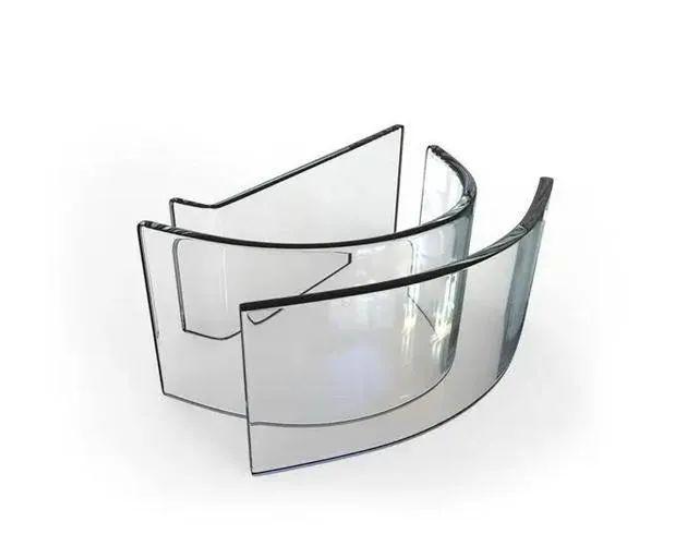
The Art of Not Breaking Your Glassware
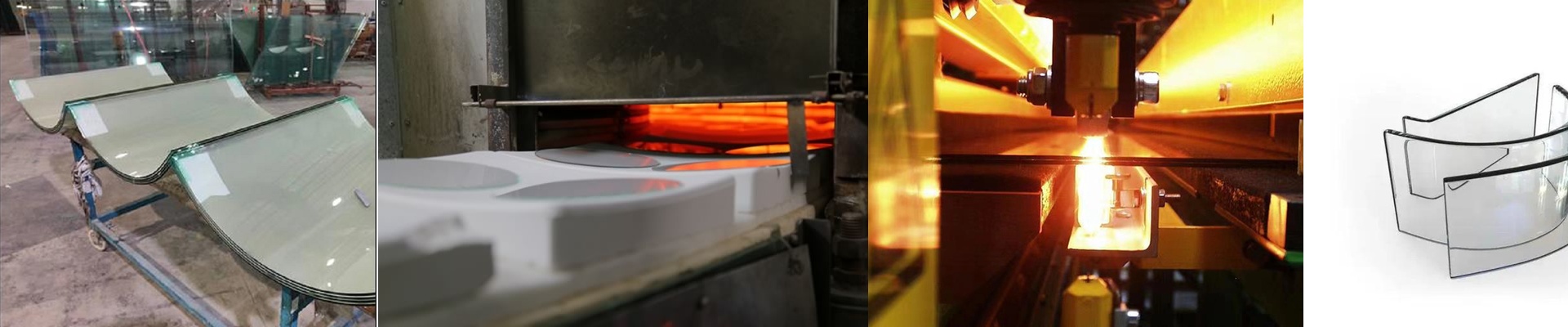
Ever had a piece of lab glassware just… shatter? No warning, no impact. Just a sudden crack. Usually, that happens because of internal stress. If your heating ramp is off by even a couple of degrees, you’re basically building a time bomb into the glass. That’s why we use infrared heating elements with 0.1°C precision. It’s the only way to nudge the glass through that critical annealing point without accidentally introducing new tension. Why obsess over 0.1°C? Because glass is picky. There’s a tiny window where it shifts from being flexible to rigid. In a high-end lab container, a 1°C swing is often the difference between a vessel that holds a vacuum and one that ends up in the trash. We pair high-resolution PID controllers with our IR elements to lock the surface temperature in place. It stops the “skin” of the glass from cooling down faster than the core. If the outside freezes while the inside is still hot, you’ve got a problem. The trick with IR heat We go with short-wave infrared. Unlike convection heat, which just blows hot air around, IR actually penetrates the glass wall. The goal is uniform heat flux. If you have cold spots, you get localized stress. Simple as that. We spend a lot of time calculating the exact wattage per linear centimeter to make sure the heat matches the thickness of the glass perfectly. The messy side of engineering Here’s the thing: this kind of precision isn’t free. High-precision IR heating puts a massive load on your power supply. You can’t just flip a switch on and off; that would create temperature spikes. Instead, we use high-frequency SCRs or PWM drives to smoothly modulate the power. It makes the wiring a bit more complex, and you need a rock-solid electrical ground, otherwise, you’ll get signal noise in your thermocouples. And you can’t forget the cooling. If your housing fans are underpowered, the heat soak will start drifting your sensor readings. You have to balance the IR output with active chassis cooling to keep the whole loop honest.