Getting Low-E Glass Right When You’re Working With 3-Meter+ Widths
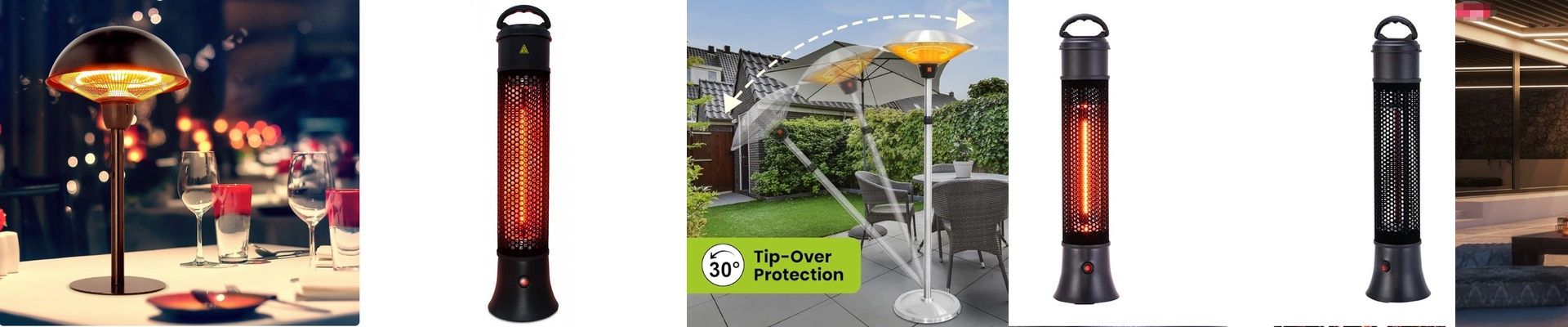
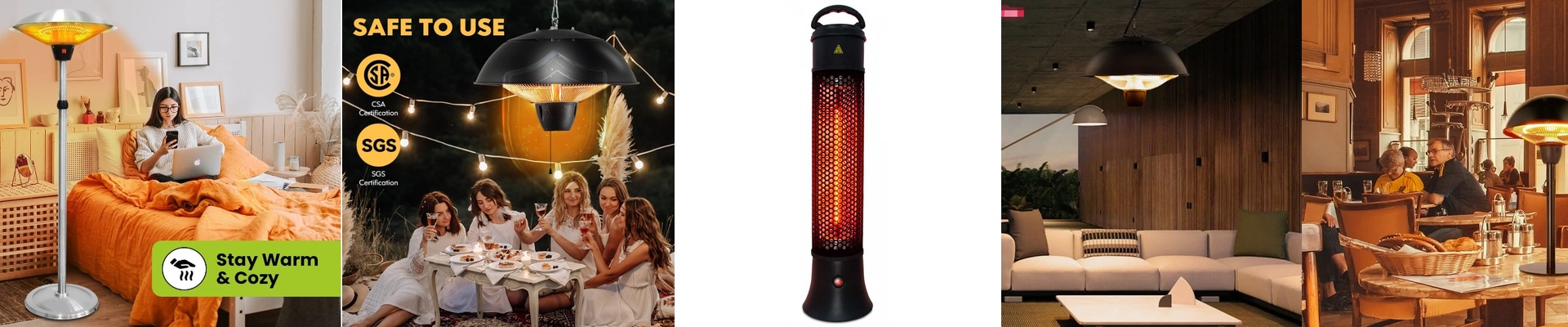
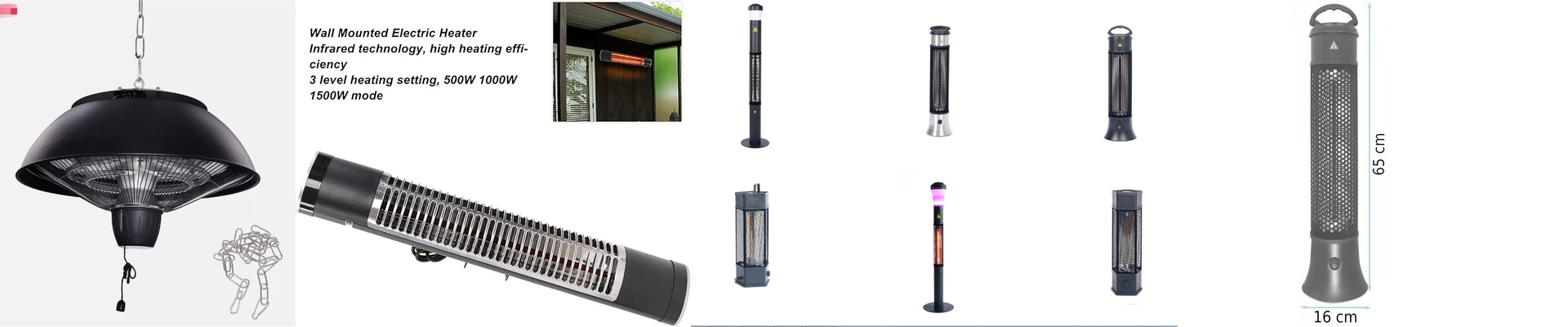
If you’re preheating wide-format Low-E glass, you already know the struggle. You can’t have the heat dipping in the middle or fading out at the edges. It just doesn’t work. When you push past the 3-meter mark, those standard, off-the-shelf lamps usually give up. That’s why we build custom, ultra-long continuous infrared units. The goal is simple: no cold spots. Just a steady, even heat across the entire sheet of glass. The battle with voltage drop Here’s the thing about running a heater over 3 meters—power distribution gets tricky. If you aren’t careful, the ends of the lamp end up running cooler than the center. Not ideal. To fix this, we use heavy-gauge wiring and very specific coil patterns to keep the heat density locked in. Just a heads-up: make sure your power supply can actually handle the total kilowatt load. These long runs pull a lot of current, and you don’t want to find that out the hard way. Keeping things stable (and unbroken) Long quartz tubes are a bit of a nightmare because they’re fragile. They want to bow or even snap under their own weight. We handle that with reinforced brackets and mounts spaced exactly where they need to be. We also stick to high-purity quartz so the tubes don’t melt or warp under the high heat Low-E glass demands. Most of our units are designed to slide right into your existing oven. But do yourself a favor and double-check your conveyor alignment. If things are off by even a little bit over a 3-meter stretch, you’re looking at uneven heating—or worse, the glass actually hitting the lamp. A quick word on the heat These heaters put out a massive amount of energy. Like, a lot. Because of that, your exhaust system needs to be on its game. If your ventilation can’t pull that ambient heat away fast enough, you risk cooking your own sockets and wiring. We build these for raw power, but the actual “breathability” of the system is up to your setup.