
Getting Your Glass Bead Annealing Right
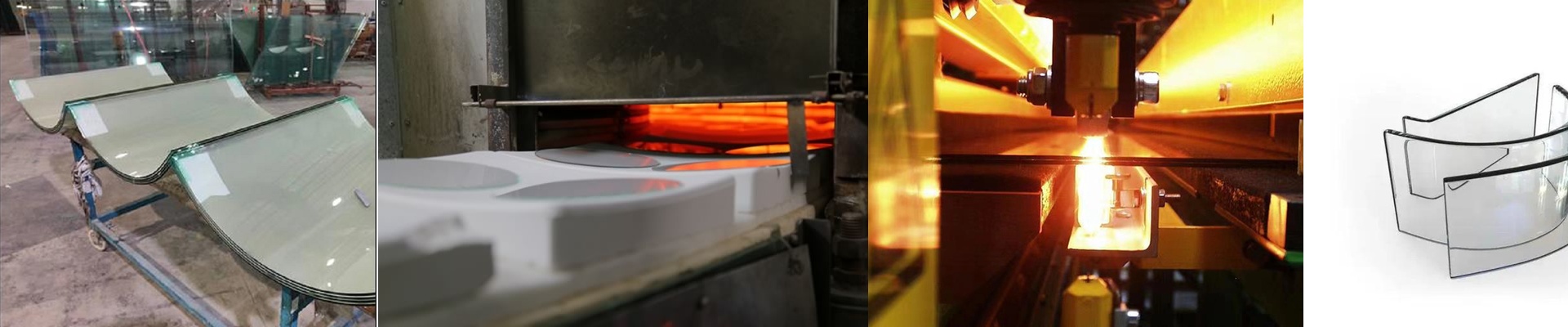
If you’ve ever struggled with glass bead annealing, you know the headache. You need to get rid of those internal stresses, but if you push too hard, the beads just deform. It’s a tightrope walk. Most people use standard infrared heaters, but here’s the problem: they’re kind of a “one size fits all” approach. The thing is, different glass additives change how the material actually takes in heat. If the heater isn’t speaking the same language as your glass, you’re just wasting energy. That’s why we focus on spectral matching. Instead of a generic blast of heat, we tweak the infrared spectrum to hit the exact absorption peaks of your specific glass chemistry. The trick to making it work Standard emitters just throw energy across a wide band and hope for the best. But if your glass has certain dopants or additives, it only “wants” heat at specific wavelengths. We handle this by picking the right emitter materials and coatings to shift where that energy lands. When the lamp’s peak emission lines up perfectly with the glass’s absorption peak, the energy transfer is way more efficient. The result? Your ramp-up times get faster. Plus, the heating is actually uniform across the whole batch, not just in a few hot spots. The trade-offs (because nothing is free) Now, this isn’t some magic fix. There are real-world compromises. To shift the wavelength, we have to use specific quartz blends or specialized internal coatings. These changes can sometimes mess with the total wattage or mean the lamps don’t last quite as long as a basic, clear-quartz tube. You just have to decide what matters more: pinpoint spectral precision or how often you want to climb a ladder to replace a lamp. Putting it into practice When we customize a spectrum, we aren’t just changing the light. We also dial in the power density. We do this so the heat actually sinks into the core of the bead instead of just scorching the outside. One heads-up: you’ll need to tweak your PID controllers. Because the glass is absorbing heat so much more efficiently, it’s easy to overshoot your target temperature if you’re using settings meant for a standard IR lamp. Keep a very close eye on your thermal gradients during those first few runs. It takes a minute to find the sweet spot, but once you do, it’s a completely different experience.