Making Your Ceiling Heaters Actually Smart
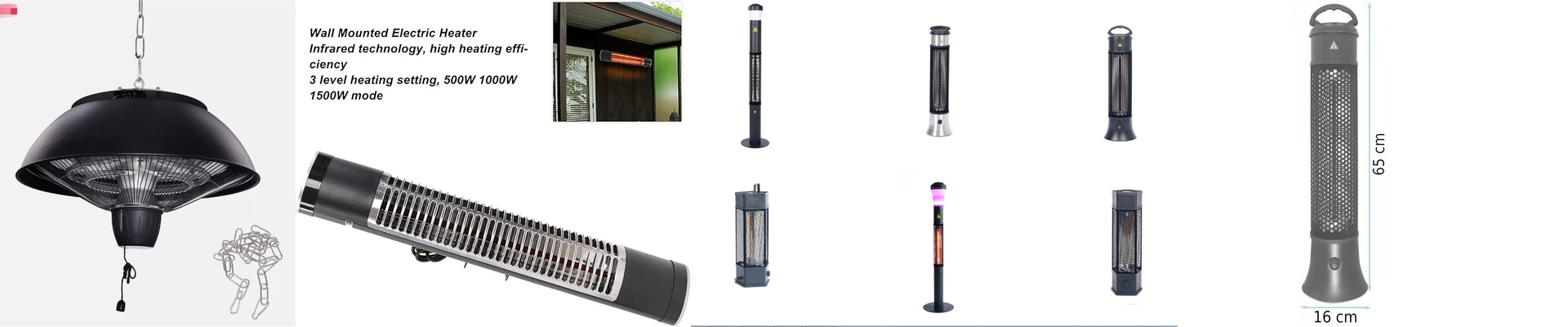
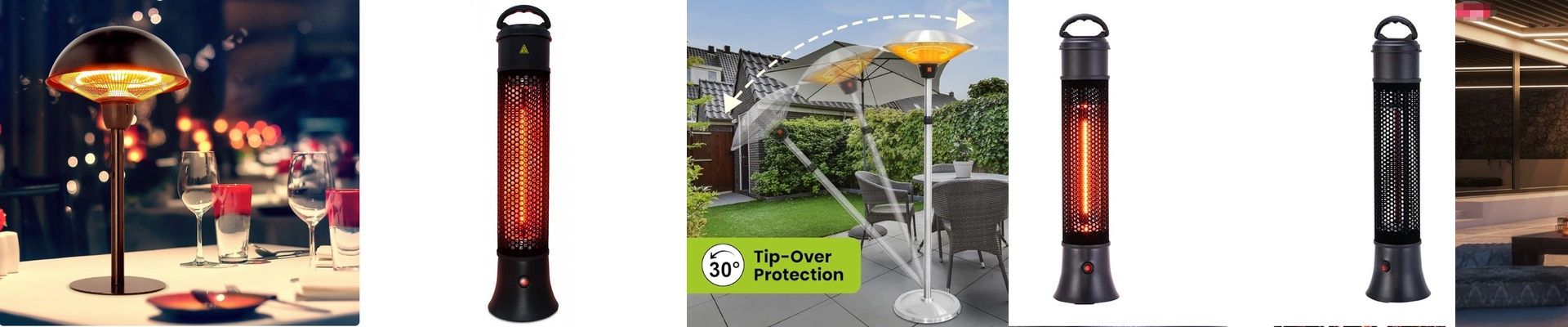
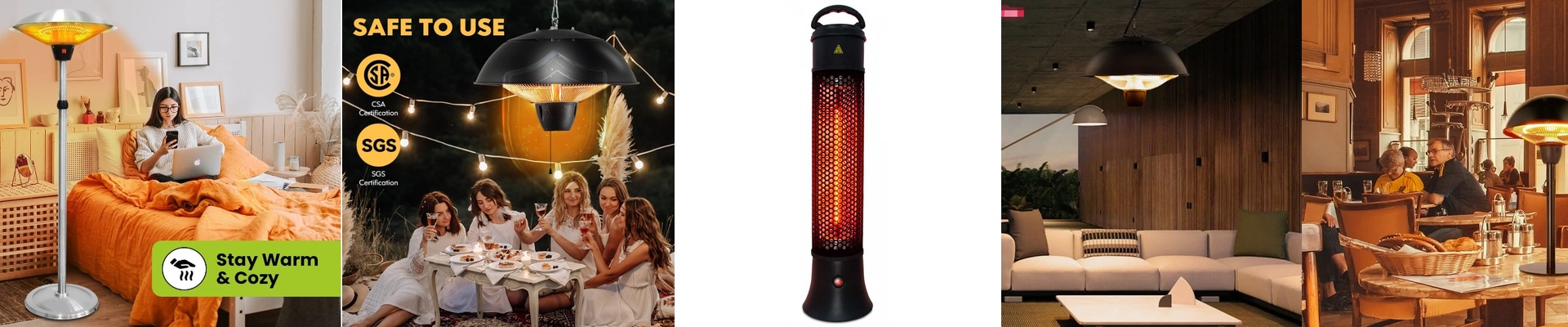
Most of us are used to those loud furnaces that puff hot air into a room, leaving you shivering for twenty minutes while the vents slowly wake up. Ceiling-mounted infrared heaters are a different beast. Instead of fighting with the air, they beam heat directly onto you—kind of like standing in a patch of sunlight on a cold day. When you hook these up to a smart home hub, you stop messing with dials and start letting your house just know when you’re cold.
Heat That Hits Instantly
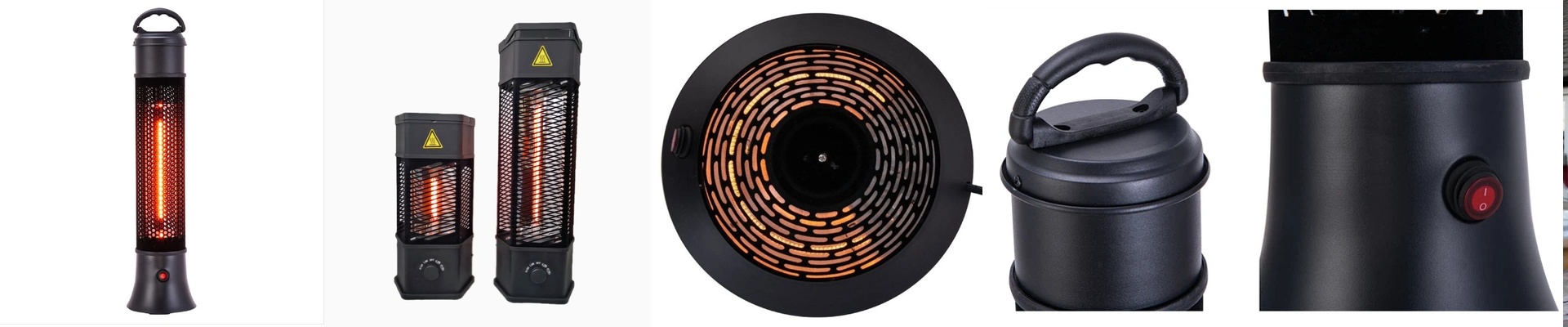
The magic here is in the emitters. We use short-wave or medium-wave tech so the heat actually makes it to the floor instead of just warming up the ceiling. There’s no waiting around for a convection loop to start. The second the element clicks on, you feel it. It’s fast. Really fast. And that changes everything when you’re walking into a freezing garage or a drafty bathroom.
Getting the Controls Right
To get that “instant spring” vibe, I usually pair the heater with a smart relay or a Zigbee/Matter controller. This is where it gets cool. You can set up geofencing, so the moment your phone crosses the driveway, the hub tells the relay to fire up. By the time you’ve put your keys on the counter, the room is already cozy. But here’s the thing: you don’t want to bake yourself. High-wattage ceiling lamps can create some pretty intense “hot spots” right underneath them. To fix that, we use PID controllers. It’s just a fancy way of saying the system modulates the heat so it stays comfortable instead of swinging between freezing and sweltering.
A Quick Warning on the Wiring
If you’re doing this yourself, don’t cut corners on the hardware. Adding smart tech adds a bit of complexity to your electrical setup. You have to make sure your smart switch can actually handle the load. I’ve seen people try to run a 2kW heater through a cheap 10A relay, and—spoiler alert—they burn out fast. My advice? Over-spec your relays by about 20%. It gives you a safety buffer for that initial surge of power and means you won’t be replacing your hardware in six months.