Engineering the Infrared Wall Heater: Warmth That’s Safe for Your Eyes (and Fast, Too)
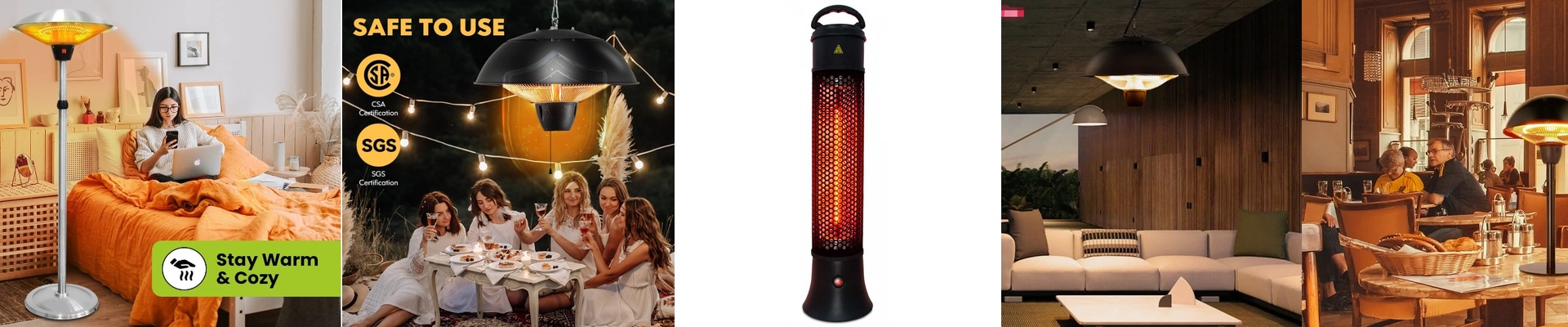
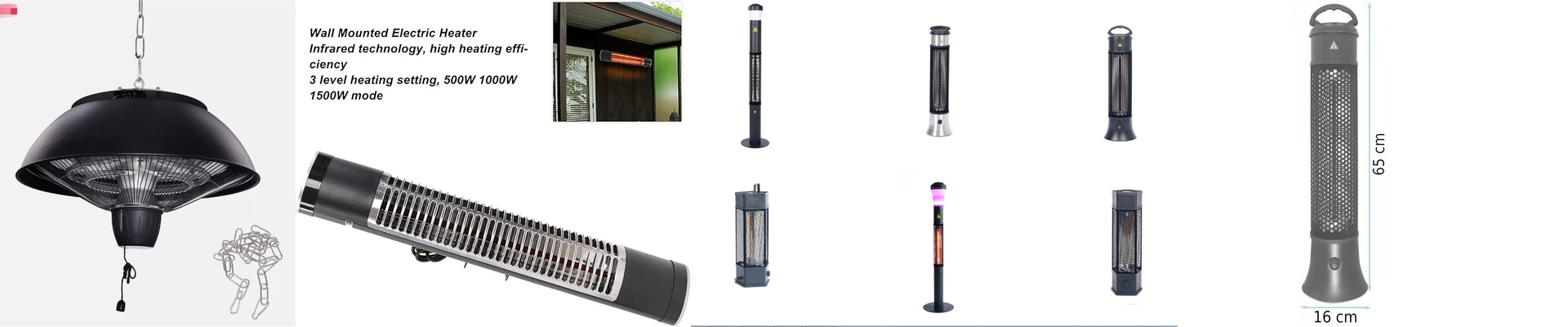
We built the infrared wall heater for a simple reason: you need heat that shows up the second you step into a bathroom or small enclosed space. No waiting. No fuss. Just direct, targeted warmth that doesn’t turn the whole room into a sauna. The goal is straightforward—pack serious radiant heat into a compact design that won’t blind you or overheat the space. It’s a balancing act between power, voltage, size, and the science of the light spectrum.
Power, Voltage, and Size: Built for Speed
Think of this heater as a high-intensity lamp, tuned for 2500W and designed to run on 230V–400V. That kind of power density in a small tube means one thing: it warms up fast and throws heat exactly where you need it. When a bathroom door opens on a cold morning, you don’t want to wait. You want heat, now. The 300mm length wasn’t an accident. It’s short enough to fit into tight wall spots, but long enough to keep the arc stable and the heat output consistent across the beam.
Inside the Design: Halogen, Quartz, and Smart Coating
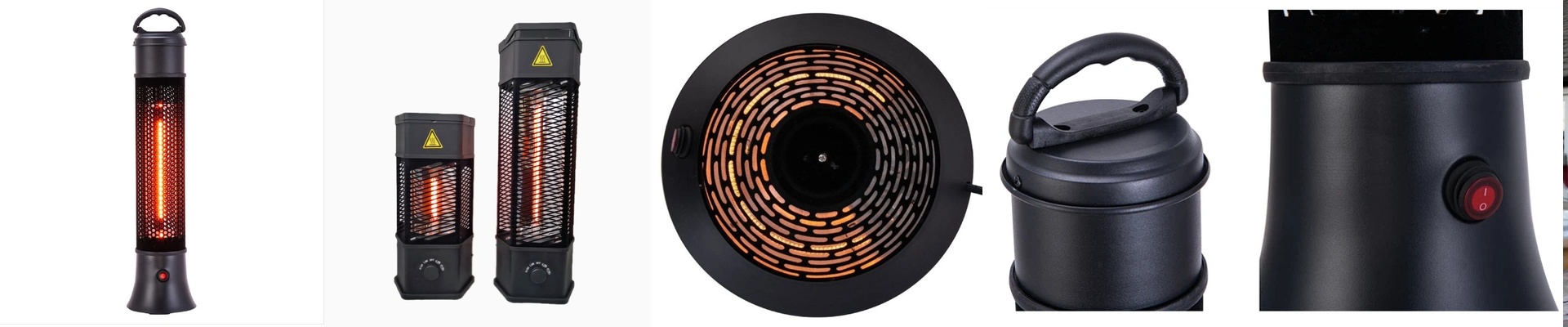
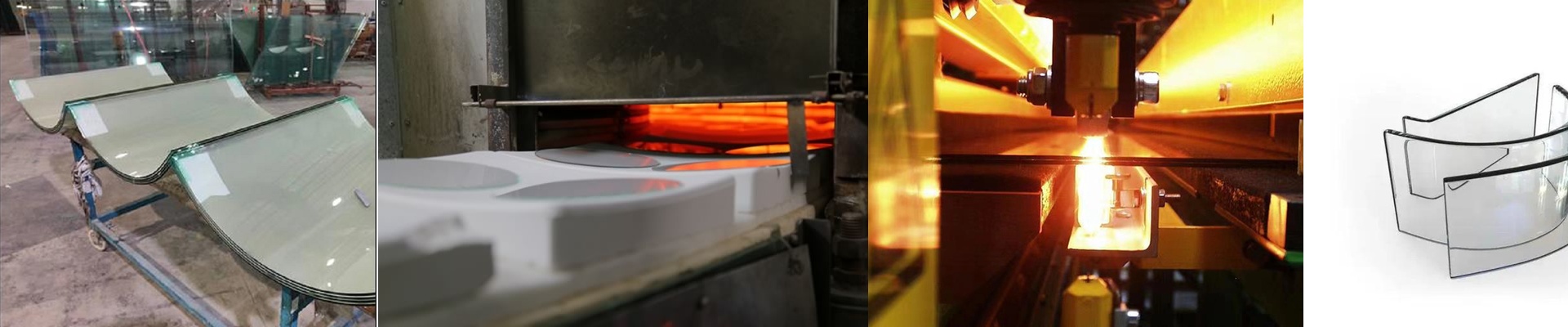
Inside, you’ve got a halogen capsule sitting inside a quartz envelope. Quartz handles the shock of turning on and off quickly, and it holds the heat steady so the halogen cycle can do its job. That means the filament lasts longer and stays reliable. We also added a selective coating that shapes the spectrum. It pushes the energy into the near- and mid-infrared bands—where the heating power is—while cutting down on harsh visible light and shortwave output. You still get a soft glow, but the heat hits with real intensity. And the R7s connector? It’s just practical. Solid contact, handles high current, and makes the lamp a simple drop-in replacement for standard fixtures. No overthinking the install.
Bathroom-Ready: Direct Heat, Eye-Safe Light
Here’s the beauty of it: the heater warms people and surfaces directly, instead of fighting to heat the air. That matters in a bathroom, where you don’t want humidity skyrocketing while you try to get comfortable. And because we shaped the spectrum, you’re not getting blasted with high-energy wavelengths. That matters when there are infants around—their eyes are more sensitive, and the fixture is often mounted close by.
The Reality Check: Power Needs Planning
Let’s be honest—2500W at high voltage means serious heat density. So you’ll want to plan where you mount it and how you ventilate the space. The surface gets hot, so it needs a heat-resistant housing and clear clearance. If you spec the circuit correctly, this unit becomes a reliable, fast-response heating element—built for wet, enclosed spaces and the real-life demands of a bathroom.