
The living room gets too quiet when the first evening chill slips in and settles along the floor. You can crank the central heat and watch the bills climb, or you can bring in an infrared space heater and warm the space you actually use. The trick is nailing the wattage. Go too low, and the room never feels properly cozy. Go too high, and you’re stuck with the unit cycling on and off, chasing comfort instead of living in it.
What matters, under the hood
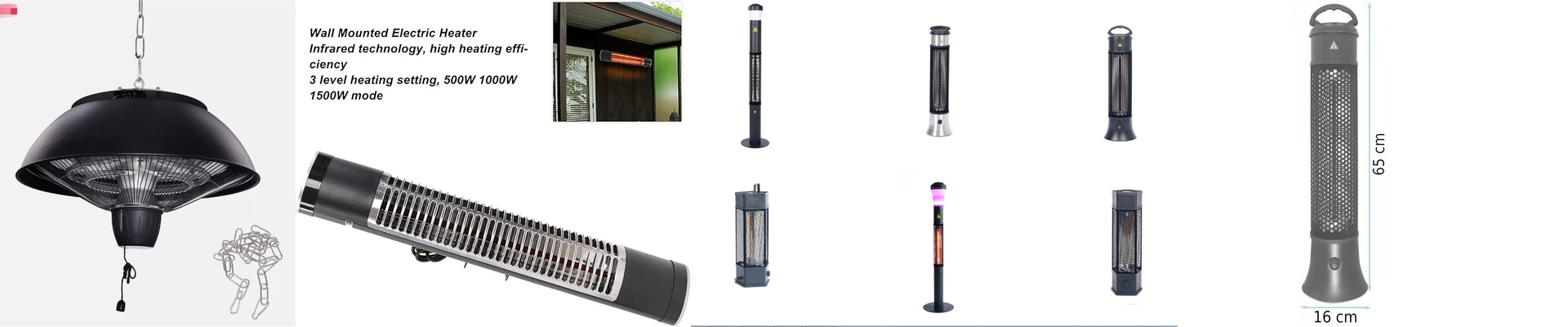
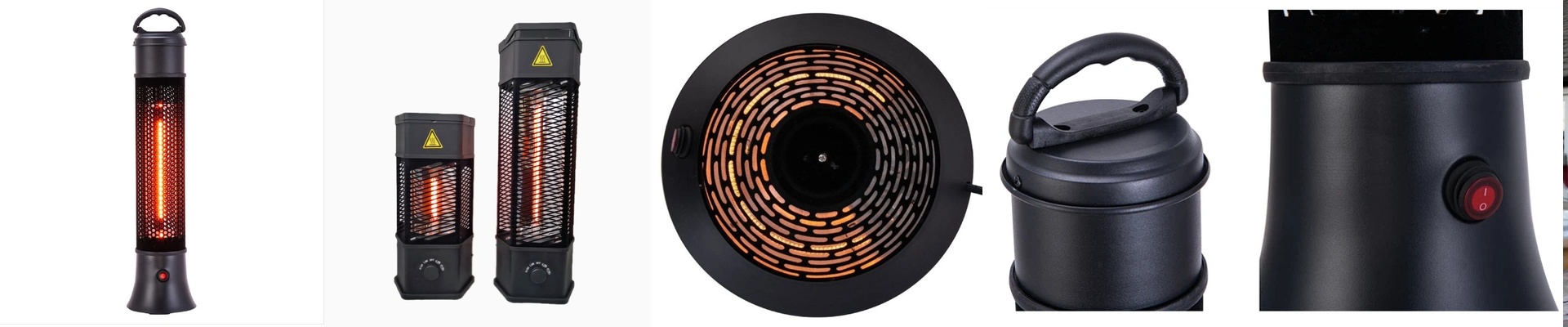
Infrared living room heaters deliver radiant warmth that travels straight from the element to people and surfaces, not to the air first. The performance hinges on the emitter—usually a quartz tube or a carbon fiber element—paired with wattage that fits the room. As a practical rule, start around 100 watts per square meter for a typical living room, then adjust for ceiling height and exposure. A south-facing room with big windows and average insulation may need closer to 120 watts per square meter to make up for solar loss after dark. A north-facing room with tight, well-insulated walls can often run at 80 watts per square meter and still feel generous. Look for models that give you multiple power settings or dual-band emitters—short wave for quick heat, medium wave for gentler, longer-lasting warmth—so you can fine-tune the feel without overshooting.
Why this approach clicks in practice
When you match wattage to the room’s orientation and insulation, the space stops feeling like a drafty box and starts reading as a true extension of the house. You feel warmth within seconds, not minutes. Fewer cold spots mean you can sit comfortably by the window without bundling up. Because infrared heats objects and people directly, you can run the heater at lower air temperatures and still feel cozy, which helps keep energy use in check. In practice, that means the living room feels welcoming the moment you sit down—less waiting, less temperature swing.
The details that make the difference
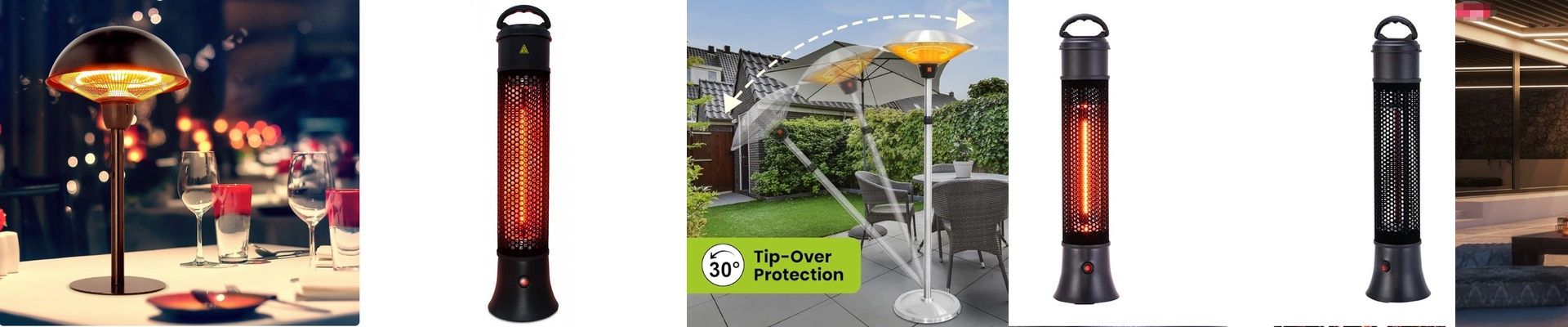
Infrared living room heaters are plug-and-play, but placement still matters. Keep the unit at least three feet from combustible materials, and avoid direct glare on TV screens or reflective surfaces. Choose a model with tip-over protection and a built-in thermostat for steady comfort. Most household circuits handle 15 amps, so a 1,500-watt heater is the practical ceiling for a standard outlet. If the room needs more, consider a dedicated circuit or go with a lower-wattage, multi-unit setup. **Radiant heat only warms what it can see.**In open floor plans, two units covering different sightlines often beats one oversized heater.