
Engineering Electrical Safety in Damp Conditions
Let’s get real about wet environments. We built this IP66 waterproof outdoor heater for places where moisture is just part of the daily routine—like bathrooms, wash bays, or anywhere that’s exposed to the elements. The whole point? Keeping the power on and the safety on, even when the unit is getting sprayed directly or sitting in thick humidity. That means we couldn’t just slap on a sealed shell. We had to completely rethink the inside—the electrical path and the heating element itself—so nothing can get through.
The Power Behind the Heat
Inside, you’ve got a high-output infrared lamp, designed to throw out intense, focused heat. We made sure it runs on standard industrial voltages, so it fits into your current electrical setup without a major overhaul. The wattage is tuned to deliver serious heat density right where you need it. And because it’s direct-radiant, it warms people and objects directly, not the air around them. That’s a game-changer in open or semi-open spaces. But here’s the thing—high power means high heat. You’ll want to make sure your mounting surface and nearby components can handle the thermal load, and that your wiring is rated for the current draw. A little planning goes a long way.
The Design That Makes IP66 Happen
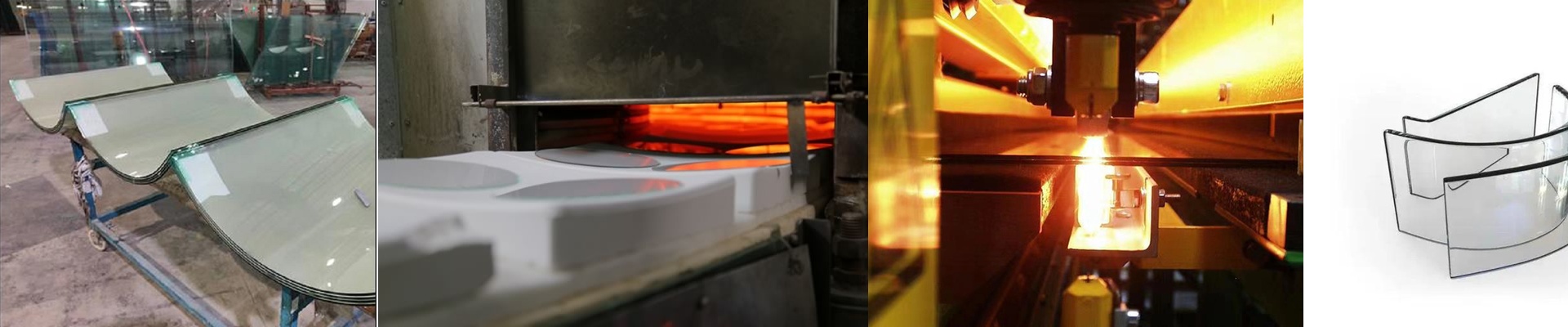
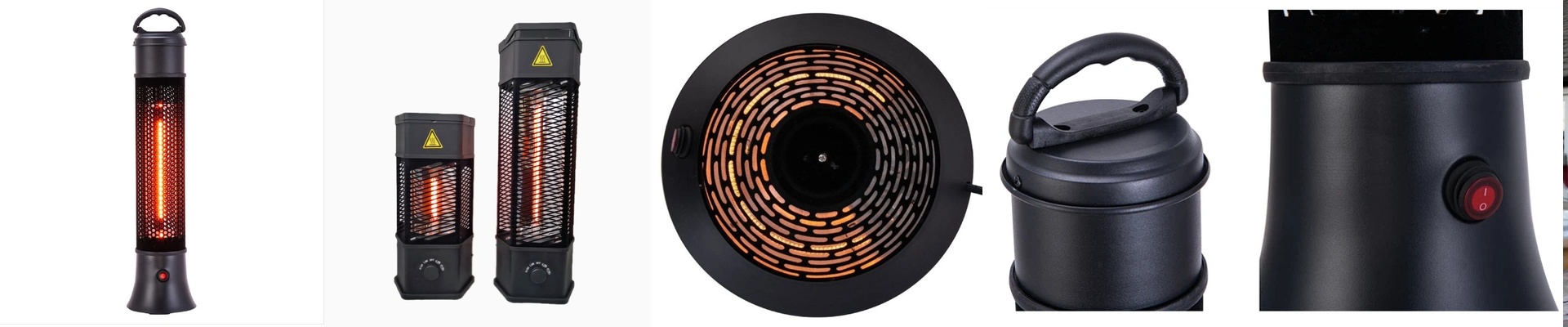
Achieving that IP66 rating wasn’t about one magic trick. It was about stacking layers of protection. The outer shell? Tough, corrosion-resistant, and built to shrug off water—even high-pressure jets. Inside, the heating element sits in its own sealed, insulated chamber. The electrical connections use an industrial-grade interface that stays secure, even with vibration. That means no arcing and a waterproof seal that stays intact. Even the quartz envelope on the infrared lamp is chemically inert and handles thermal shock, while the internal filament stays protected from moisture.
What This Means for You
For engineers, this design means fewer headaches and more uptime. Because of the IP66 seal, you can put these heaters in places that would kill a standard unit in seconds. In a humid bathroom, the risk of short circuits and electric shock just disappears. The sealed design also keeps dust and contaminants out, which means components last longer and need less attention. Installation? It’s meant to be straightforward. The unit drops right in as a replacement for standard industrial heaters, with mounting points and wiring that match what you already have. That cuts down on downtime during retrofits. And the focused infrared heat gives you fast, targeted warmth—perfect for spot heating where traditional convection heating just falls short. The result is a heating solution that’s reliable, low-maintenance, and built for the messy, wet, humid realities of industrial and commercial spaces.