Making Your Patio Heaters Actually Smart
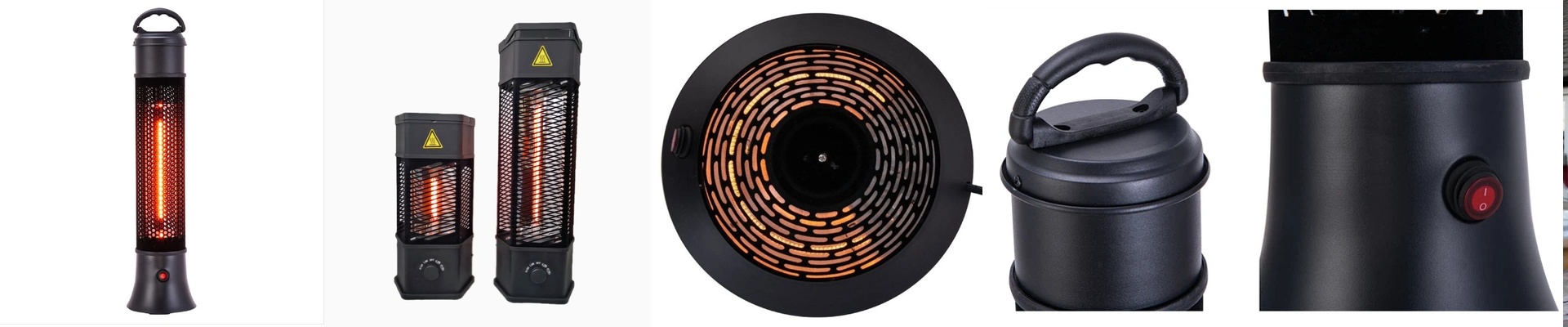
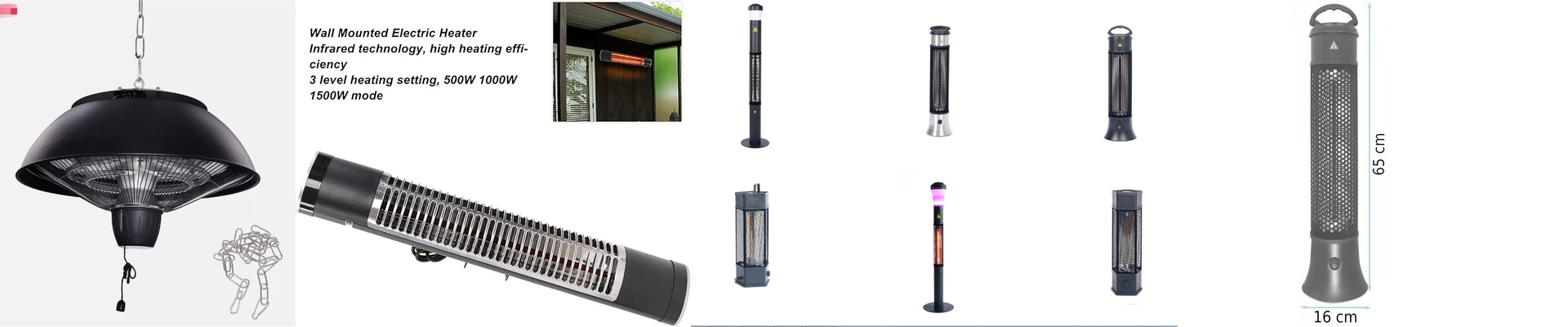
We build IP55-rated infrared heaters because, let’s be honest, outdoor gear needs to be tough. An IP55 rating is basically a fancy way of saying the unit can handle a good bit of dust and those annoying, unexpected rain showers without short-circuiting. You can mount them on your patio and actually relax, knowing a little weather isn’t going to kill the power.
Heat That Actually Hits
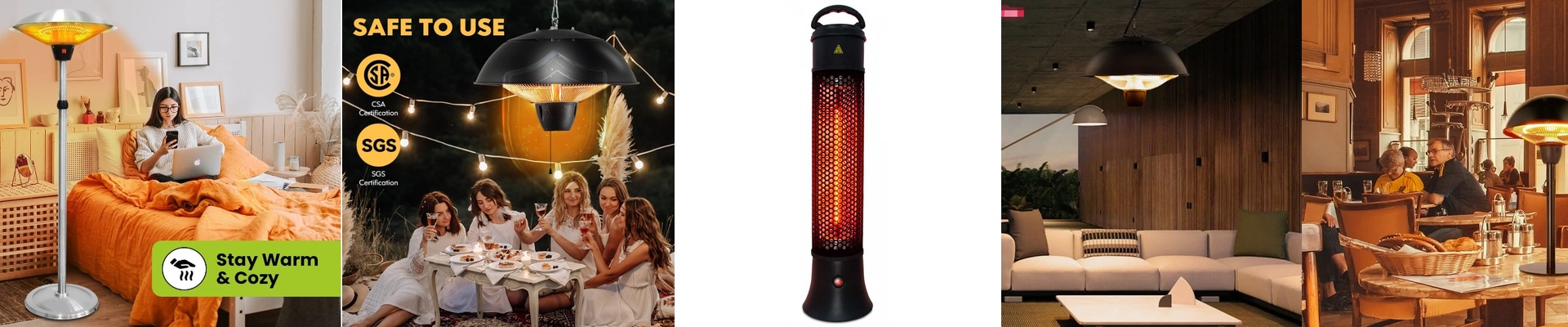
Most heaters try to warm up the air, which is a losing battle the moment a breeze kicks up. These are different. They use short-wave infrared, which means the heat goes straight to you and your guests. It’s instant. You hit a button on your smart hub—maybe a “Wine Night” or “Spring Chill” setting—and you feel the warmth in seconds. No waiting around shivering while the machine slowly warms up. To make this work, we use Zigbee or Wi-Fi modules, or sometimes heavy-duty smart relays. The relay does the heavy lifting with the power, while the hub handles the schedule. It just works.
The Nitty-Gritty of Setup
Here’s the thing: you can’t just plug these into any old outlet. These heaters pull a lot of power. If you don’t get your circuit breakers and wire gauges right, you’re asking for trouble at the junction box. It’s worth doing the electrical planning properly from the start. We also lean heavily on those IP55 seals to keep humidity out. Moisture is the enemy of electronics; it eats away at the circuit boards and makes your smart devices act glitchy. By sealing everything tight, we make sure that when you tap your phone, the heater actually turns on.
A Few Real-World Trade-offs
Adding “smart” features does make the install a bit more complex. You aren’t just wiring a heater anymore; you’re adding a device to your home network. And guess what? Wi-Fi hates walls and distance. If your signal is weak at the edge of the patio, you’ll notice a lag. To fix that, we usually suggest hard-wiring the control signal or popping a mesh node nearby. It keeps things snappy and frustration-free.