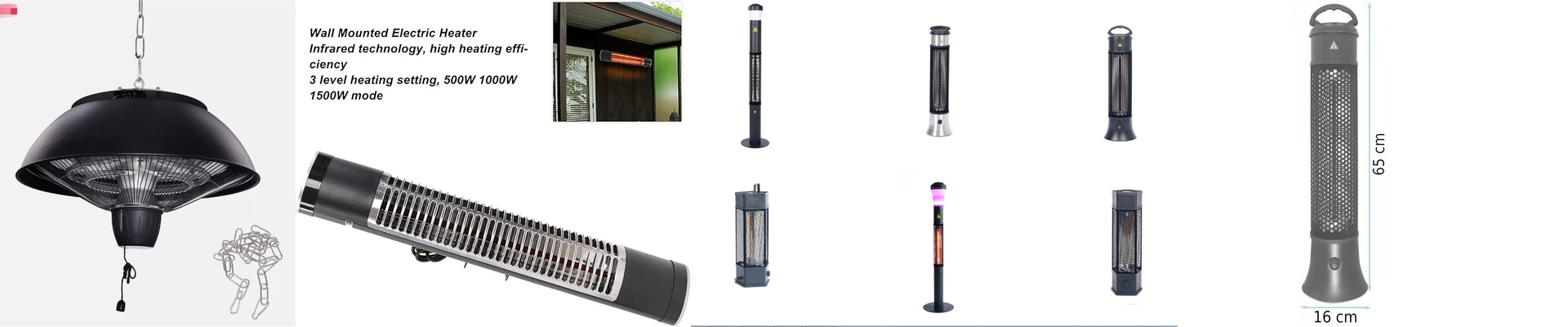

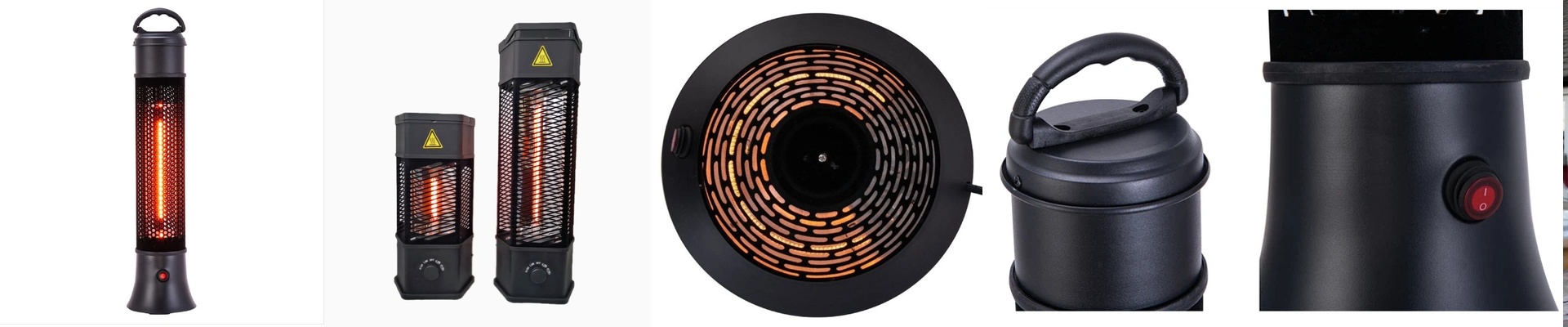
Why Your Bathroom Heater Keeps Dying (And How We Fixed It)
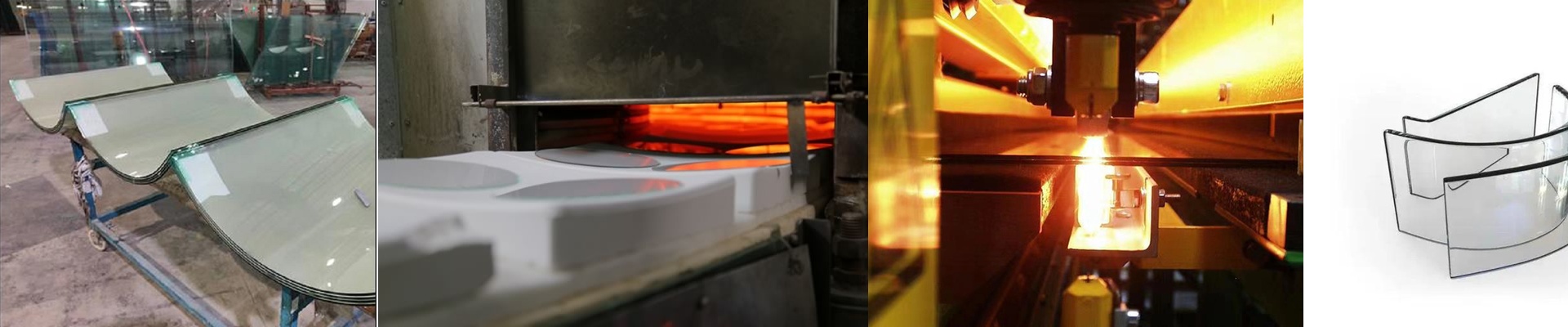
If you’ve ever had a bathroom infrared heater just… stop working, you know the frustration. Usually, it happens right when you need it most. Most of those entry-level heaters fail for the same reason: the spot where the electrical wire meets the quartz tube just can’t take the heat. It’s a brutal environment. You’ve got intense heat on one side and thick steam on the other. Eventually, the sealant cracks. Moisture sneaks in, the insulation fries, and suddenly you’re staring at a tripped breaker and a dead heater. The problem with “standard” builds Most companies use basic silicone or some cheap adhesive to plug the gap. It works for a while, but not for long. Think about it: the glass and the metal expand and shrink at different rates every time you flip the switch. That constant tug-of-war eventually pulls the seal away from the tube. Once that happens, the wire oxidizes, it arcs, and that’s it. Game over. A better way to seal the deal We decided to stop using “glue” and start using a process usually reserved for high-end industrial gear. Instead of just sticking things together, we use a mix of high-temp glass-to-metal seals and specialized resins. It creates a total lockdown. The wire isn’t just sitting there; it’s chemically and mechanically fused to the tube. This keeps the oxygen and steam far away from the tungsten filament inside. It’s the difference between a leaky faucet and a welded pipe. One thing to keep in mind There is a trade-off. Because this bond is so strong, the lead-wires are a bit stiffer. When you’re installing these,**don’t bend them sharply.**If you force a tight kink in the wire, you might crack that seal we worked so hard to create. Just leave a little bit of slack in your wiring harness to give the heater room to breathe. It’s a small adjustment during setup, but it means your resistance stays stable for thousands of hours. No more random burn-outs. Just a heater that actually does its job, as long as your housing has a bit of ventilation to handle the heat.