

Stop the Chipping: Why IR Preheating is a Lifesaver for Borosilicate Glass
If you’ve ever cut borosilicate glass at room temperature, you know the frustration. You go in for a clean cut, but instead, you get those annoying little chips and jagged breakouts along the edge. It happens because the glass is just too brittle. The moment that cutting wheel hits the surface, the cracks run wild. The trick to fixing this?Heat it up first. We use infrared (IR) preheating to change how the glass behaves before the blade even touches it.
How it actually works
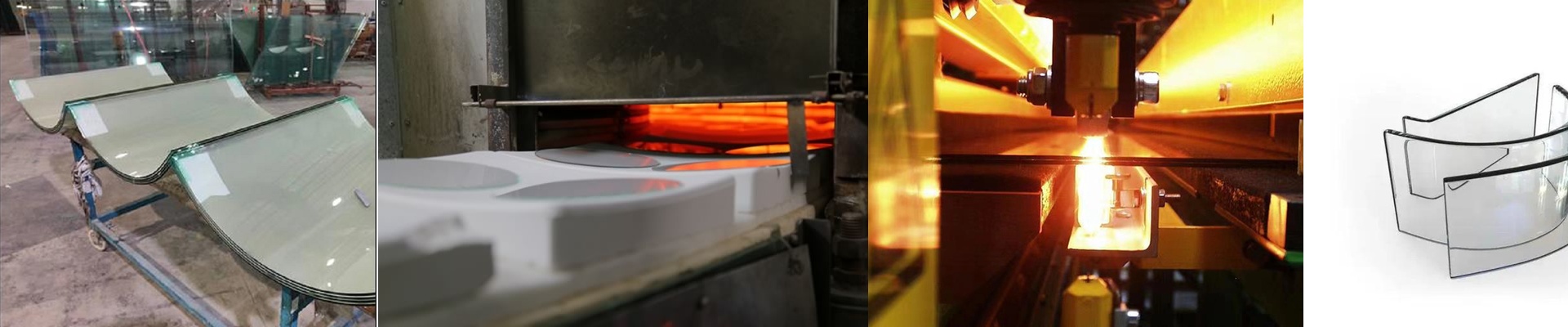
Think of it like this: when you hit the glass with short-wave IR lamps, you’re relaxing the material. You aren’t melting it, but you’re softening those molecular bonds just enough. Suddenly, the cutting tool doesn’t have to fight the glass. It creates a smooth, controlled score line. Instead of the glass snapping violently and leaving a mess of shards, the crack just follows the line. It’s a much cleaner process, and your scrap pile gets a lot smaller.
Getting the setup right
You can’t just throw the glass in a slow convection oven and hope for the best. That takes too long. You need high power density—heat that hits the surface instantly. That’s why we stick with quartz halogen IR lamps. They ramp up in seconds. But here is the catch:**uniformity is everything.**If one part of the sheet is hot and another is cold, the glass will stress out and crack anyway. I always tell people to double-check their lamp alignment and reflector angles. If you see “striping” on the glass, your heat isn’t even, and you’re asking for trouble.
The reality of the shop floor
Now, IR preheating isn’t magic. You can actually overdo it. If you get the glass too hot, it starts to warp. Once you lose your dimensional tolerances, the piece is basically junk. You have to find that sweet spot between your lamp wattage and how fast your conveyor is moving. And a quick tip on the electrical side: these high-wattage arrays pull a ton of current. Make sure your wiring can actually handle the peak load. If your voltage drops, your glass stays too cold, and you’re right back to square one with those jagged, chipped edges.