Stopping Glass from Shattering: The Secret is Fast-Response IR
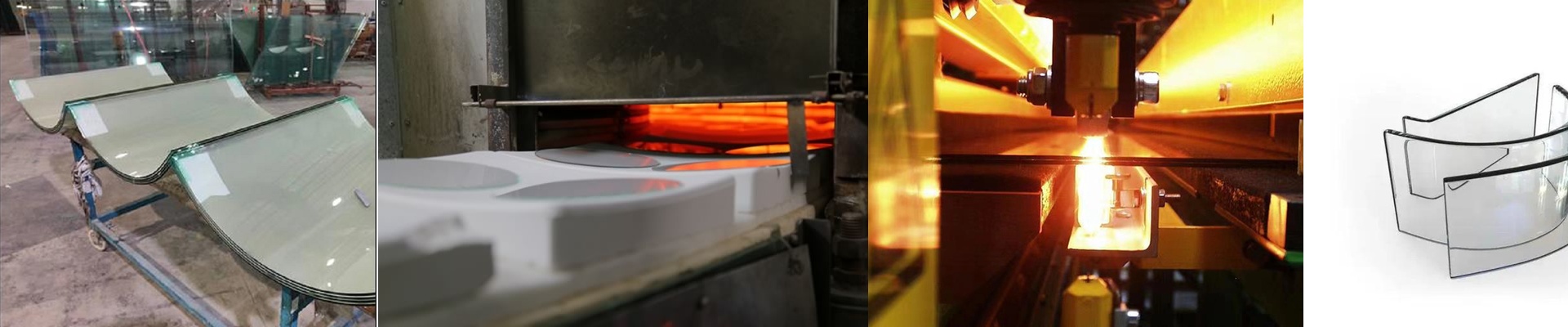
If you’ve ever worked with train windows or high-end glassware, you know that feeling in your gut when a pane cracks. It’s frustrating. One minute everything looks fine, and the next, you’ve got a pile of shards because the temperature shifted too fast. That’s thermal shock. It happens when one part of the glass gets hot while another stays cool, and the tension just rips the material apart. To stop that from happening, you need heat that can pivot on a dime. That’s where shortwave infrared lamps come in. The trick is in the timing. You can’t use those old, slow heating elements here. They take too long to wake up and too long to cool down. Instead, we use halogen-filled quartz lamps. Why? Because they react almost instantly. When you pair these lamps with a high-speed SCR or a PID controller, you can tweak the power in milliseconds. It lets you “ease” the heat into the glass. Instead of a sudden shock, the surface and the core warm up together. It’s a much gentler process. A quick word on the hardware. These tubes pack a massive punch to get through thick glass, but that energy creates a lot of heat—not just for the glass, but for the lamp itself. The ends of the tubes get scorching. If your cooling fans aren’t up to the task or your housing is cramped, you’re going to fry your filaments. It’s a simple fix, but if you ignore the airflow, you’ll be replacing lamps way more often than you should. Making it work on the shop floor. We don’t believe in making your life harder during maintenance. That’s why we use standardized connectors. When a lamp needs swapping, you just pop it out and put a new one in. No need to spend your afternoon rewiring the whole machine. The real magic happens when you balance the lamp’s power with your conveyor speed. Line speeding up? Bump up the power. Working with thinner glass? Dial it back. Just keep an eye on your alignment. Shortwave IR is very directional. If a lamp rack is even slightly crooked, you’ll get cold spots on the glass, which brings you right back to that uneven stress we’re trying to avoid. Do yourself a favor: check your reflectors every week. It takes two minutes and saves you a lot of headaches.