Getting High-Density Heat into Mobile Glass Repair
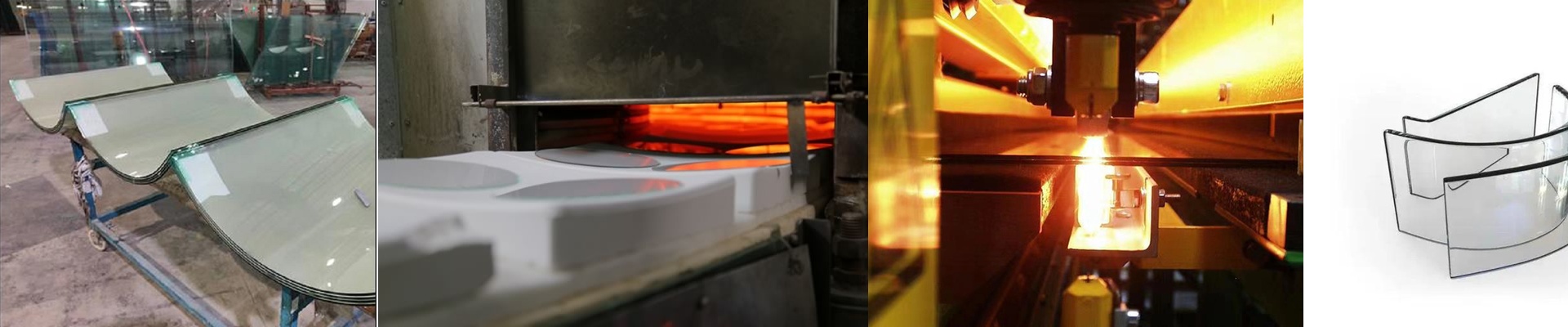
When you’re trying to fit a glass annealing heater into a mobile repair bracket, you run into a wall pretty quickly: space. You can’t just throw a bulky heating element in there and hope for the best. You’ve got limited voltage and almost no room to move. The trick is using short-wave infrared (SWIR) lamps. They hit the target temperature fast. Really fast. And the best part? They focus the heat on the glass, not the rest of your bracket.
Squeezing Power into Small Spaces
If you want a tiny system to actually perform, you have to look at the wattage-to-length ratio. We stick with quartz halogen tubes because they let us cram more wattage into a shorter space. It gives you that intense thermal punch you need to anneal glass without needing a power supply the size of a suitcase. But here’s the thing: you have to watch your voltage drop. If your rig is running on limited DC or stepped-down AC, the lamp’s resistance has to be spot on. If it’s off, you’re just not getting enough heat. We usually go with a high-density filament layout. It keeps the heat locked onto the fracture instead of wasting it on the air around it.
The Nitty-Gritty Hardware
Standard wiring is just too chunky for these brackets. It gets in the way. We use specialized, compact connectors to keep the footprint small and—more importantly—to make sure the lamp doesn’t rattle loose while you’re driving to a job. Then there’s the quartz envelope. This is the heart of the setup. It lets the short-wave radiation pass right through without soaking it up. You can add coatings if you need to tweak the wavelength, but for most glass work, clear quartz is all you need.
The Trade-offs
There’s a catch, though. When you pack a 500W element into a tiny 100mm space, things get hot. Like, really hot. If you don’t have any airflow, your connector housings can literally melt. It’s a mess. To stop your electronics from frying, you’ll need to plan out your heat sinking or just toss a small cooling fan onto the bracket. Trust me, it’s worth the extra step.