
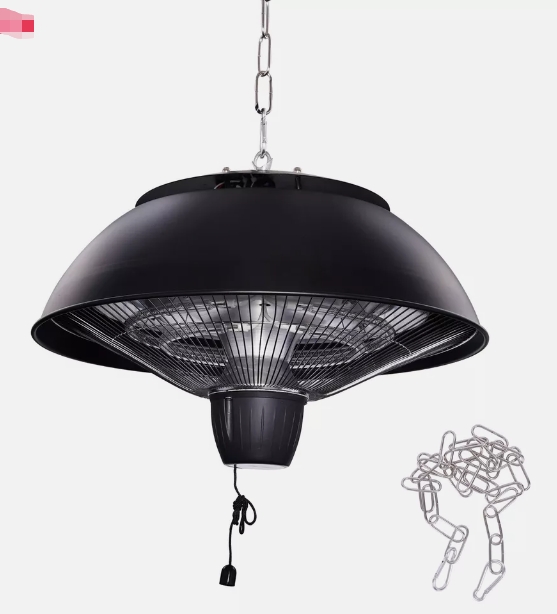
Making Your Workshop Heaters Actually Smart
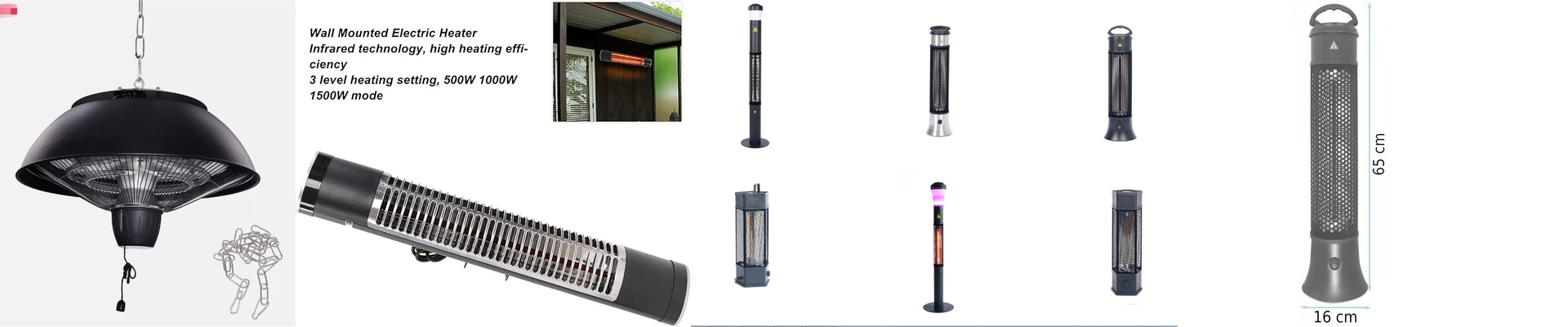
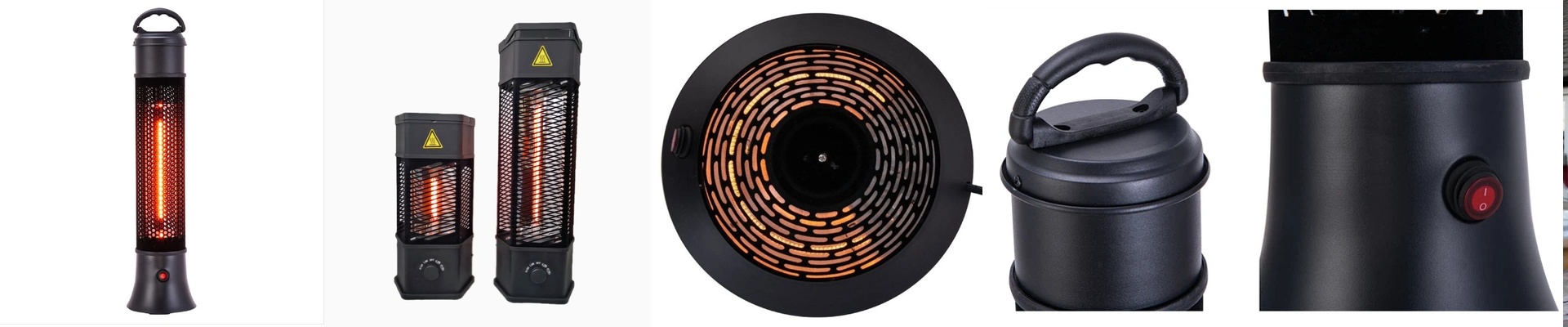
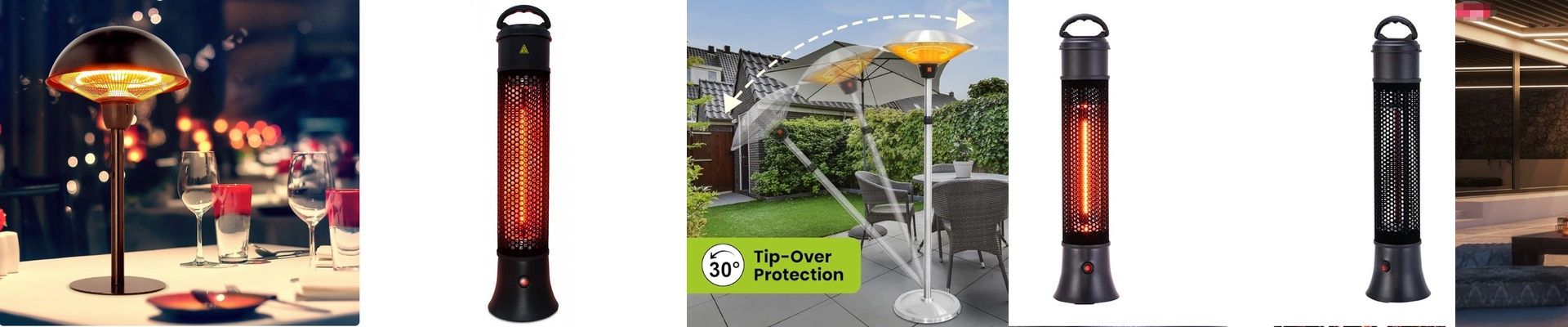
If you’ve ever stepped into a freezing workshop in January, you know the struggle. You flip on the heat and then… you wait. And wait. Traditional forced-air systems try to warm up every single cubic inch of air in the room, which is a slow, expensive way to get warm. Infrared ceiling heaters are different. They don’t bother with the air; they just beam heat directly onto you and your gear. It’s like stepping into sunlight on a cold day. When you hook these up to a smart system, the real win is getting rid of that annoying lag time. How the “Magic” Works To make this happen, you basically need a bridge. You can’t just plug a high-voltage heater into a tiny smart switch—you’ll fry it. Instead, we use smart relays or PLC modules to tell a power contactor when to kick in. One tap on your phone, or a sensor trigger, and the circuit closes. Since infrared lamps heat up in seconds, you get an immediate blast of warmth. No more shivering while you wait for a furnace to cycle through its routine. You just walk in and get to work. Don’t Just Guess the Temperature A smart system is pretty useless if it’s just a remote control. You want it to think for itself. The trick is where you put the sensors. Most people make the mistake of putting them on the ceiling, but heat rises. If the sensor is up there, it’ll think the room is toasty while your toes are freezing. Put your PIR sensors or temperature probes right where you actually stand. That way, the system only fires up the heaters in the zone where someone is actually working. It’s a simple way to keep your power bill from skyrocketing. The Not-So-Pretty Side Now, this isn’t all plug-and-play. Adding a network to your electrical panel adds a bit of a headache. You’re relying on your WiFi or Zigbee mesh now. And look, routers crash. That’s why I always insist on a manual override switch. If the internet goes down, you don’t want your team stuck in a tundra because the gateway decided to reboot. One last tip: these high-wattage heaters can be “noisy” electrically. They can mess with your sensor signals. Use shielded cabling for your lines, or you’ll find your heaters flickering on and off for no reason.