

Getting Your Glass Finish Right (Without the Voltage Headache)
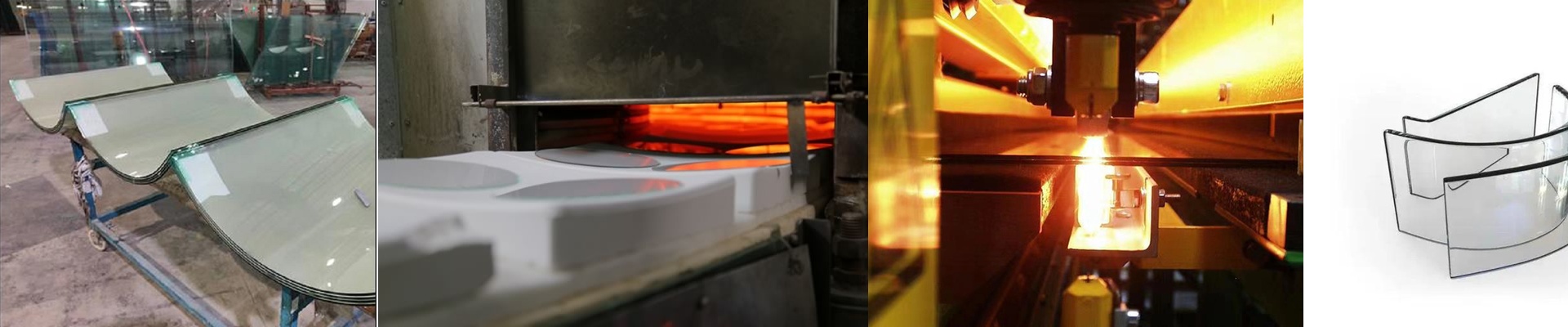
If you’re chasing that perfect, mirror-like high-gloss finish on glass, you know it all comes down to heat. But here’s the catch: if your infrared lamps aren’t perfectly in sync with your local power grid, things go south quickly. You end up with patchy curing or, even worse, filaments that burn out way too soon. That’s why we don’t do “standard” lamps. We build our heating elements to handle the actual power you’ve got on the floor—whether that’s 110V, 480V, or 575V.
Why the Voltage Actually Matters
Voltage isn’t just some box to check on a spec sheet. It changes everything about how the lamp breathes and heats. A lamp built for 110V just doesn’t act the same as one wired for 575V. When we move up to those higher voltages, we don’t just “crank it up.” We carefully tweak the length and thickness of the filament. This ensures the glass coating gets exactly the temperature it needs to set, regardless of what’s coming out of the wall. There’s a big upside to high-voltage setups. You can run way more lamps on a single circuit without tripping your breakers. Your wiring stays lean, and the current draw stays low. But a word of caution: high voltage can be temperamental. If your connections are loose, you risk electrical arcing. Make sure your sockets are rated for the specific voltage you’re using, or you might find yourself staring at a melted housing. Not a great look.
Gear That Actually Fits Your World
We’ve seen too many companies try a “one size fits all” approach. It never works. Whether your line is in a plant in Ohio or a factory in Germany, we tune the lamps to your specific utility. We adjust the internal resistance of the quartz tube so the heat stays steady. No spikes, no dips. Just consistent warmth. The best part? You can slide these right into your existing dryer frames. No need to tear out your chassis or start a massive redesign. We handle the terminations so everything clicks into place securely. Just a heads-up: if you’re jumping from a 220V system over to 480V, double-check your controllers and contactors. They need to be able to handle the jump. We’ll give you the hardware; you just wire it up to your local specs and get back to work.