Stop Fighting With Your IR Lamps
Buying a single infrared lamp is easy. Anyone can order a part. But actually building a precision annealing system? That’s where things get messy. We see it all the time. Shops spend weeks wrestling with manual alignments, fighting with wiring, and building custom jigs, only to turn the machine on and realize the heat distribution is all over the place. It’s frustrating.
Why we moved to modules
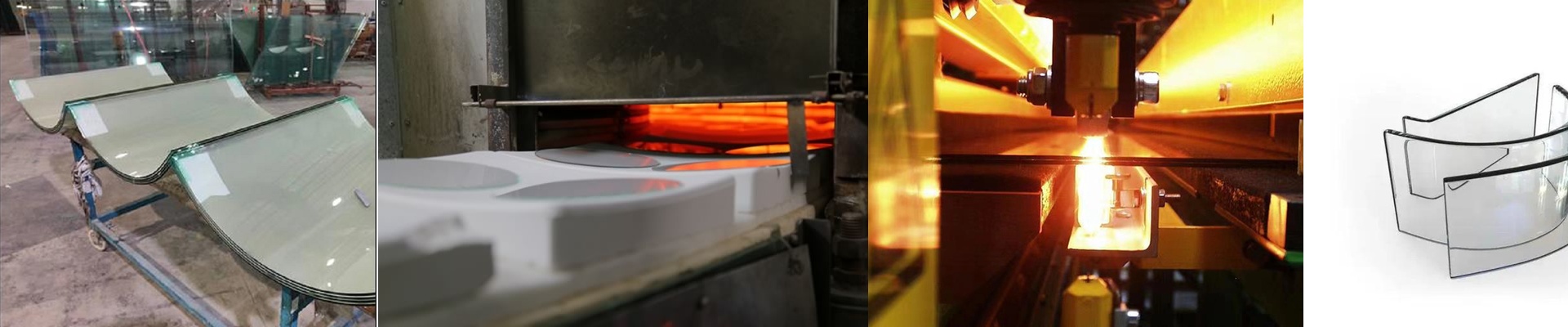
Here’s the thing: a standalone IR tube is finicky. If the mounting is off by a hair, you get hotspots or the lamp burns out way too soon. That’s why we stopped just selling tubes and started building curved heating modules. We take those raw lamps and lock them into a pre-bent, fixed frame. It turns a pile of loose parts into something you can just drop into your machine. You don’t have to stress about the bend radius or whether you’re putting too much tension on the quartz glass. We’ve already done that math for you.
The balancing act of heat
Getting the heat right is a bit of a tightrope walk. High-wattage shortwave lamps are great because they punch through material fast. But they’re power-hungry. If you’re pushing 2500W through a tight curved array, your cooling blowers have to keep up. If they don’t, the lamp basically starts baking its own housing. We spend our time balancing the spacing and the curve so your material hits the exact temperature it needs, without melting the supports holding the whole thing together.
Saving your sanity on the shop floor
Let’s be honest: wiring individual lamps with R7s or Sk15 connectors in a cramped space is a nightmare. It’s a total bottleneck. Our modules come pre-wired. You plug it into your controller, and it just works. It turns a multi-day installation into a couple of hours. Plus, since the assembly happens in our factory, you don’t have to worry about a technician accidentally cracking a quartz tube during a rushed install on a Friday afternoon. You just get a heat profile that’s ready to go the moment you open the box.