
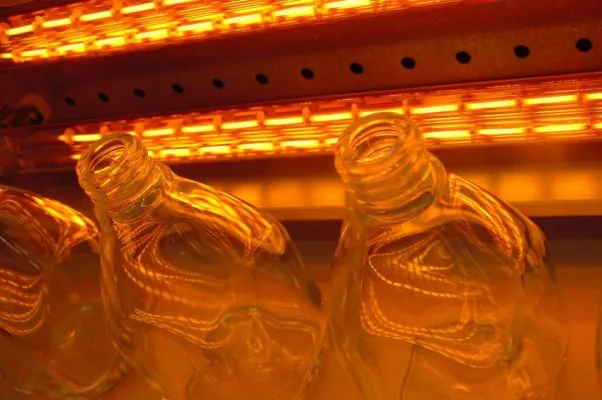
The Real Deal on Ultra-Long Twin Tube Heaters for Glass Kilns
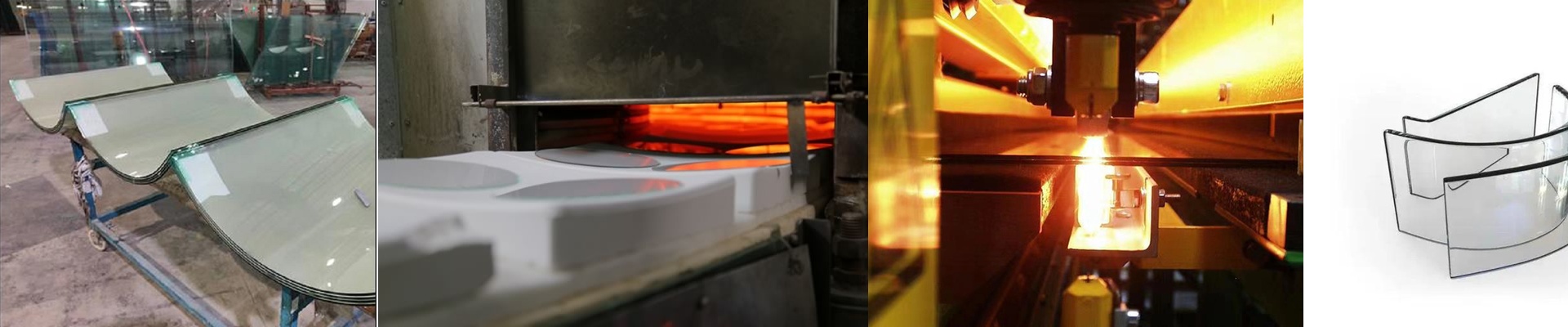
When you’re dealing with glass tunnel kilns, heat distribution is everything. But here’s the rub: once your heating zone stretches past 2 meters, those standard, off-the-shelf lamps just don’t make the cut. That’s why we lean into twin-tube setups. They give you a huge radiating surface without taking up way too much space. The fight against cold spots If you’ve ever seen a lamp with a dim center, you’ve seen voltage drop. It’s a nightmare for anyone trying to get a consistent finish. You might think, “Why not just chain a few short lamps together?” Trust me, don’t. Those little gaps between the lamps leave “thermal stripes” on your glass. It ruins the batch. We fix this by customizing the filament density and tweaking the voltage. The result? A steady, uniform heat flux from one end to the other. No gaps, no stripes. Quartz and the “sag” factor We use high-purity quartz because it can take a beating from thermal shock. But when a lamp is this long, physics starts to work against you. At high temperatures, a single tube can actually start to sag under its own weight. That’s a fast track to a burnout. The twin-tube design acts like a backbone, giving the whole thing the rigidity it needs to stay straight. We also obsess over the end-caps and connectors. If even a tiny bit of oxygen leaks in, it kills the halogen cycle and turns your tube black. Not a pretty sight. Getting it wired up Plugging these into a tunnel kiln is pretty simple, but you’ve got to respect the power draw. A 2-meter array is hungry. Double-check your contactors and wiring. If they aren’t rated for the total amperage, your control panel is going to get way too hot. These lamps put out a massive amount of heat, so you’ll want a precise PID controller. You don’t want to accidentally overshoot the glass transition temperature—that’s a mistake you only make once. And keep an eye on your cooling fans. If the ambient heat builds up too much in the tunnel, your lamps won’t last nearly as long as they should.