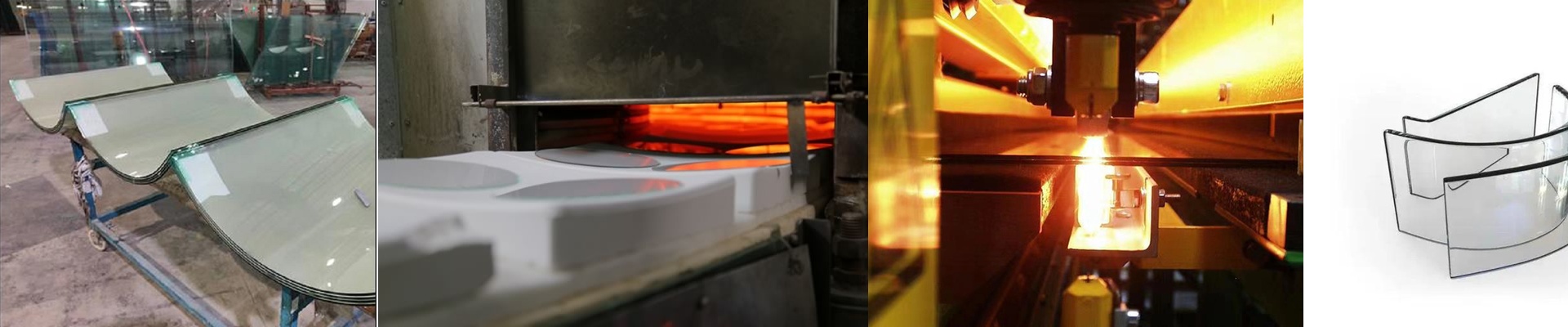
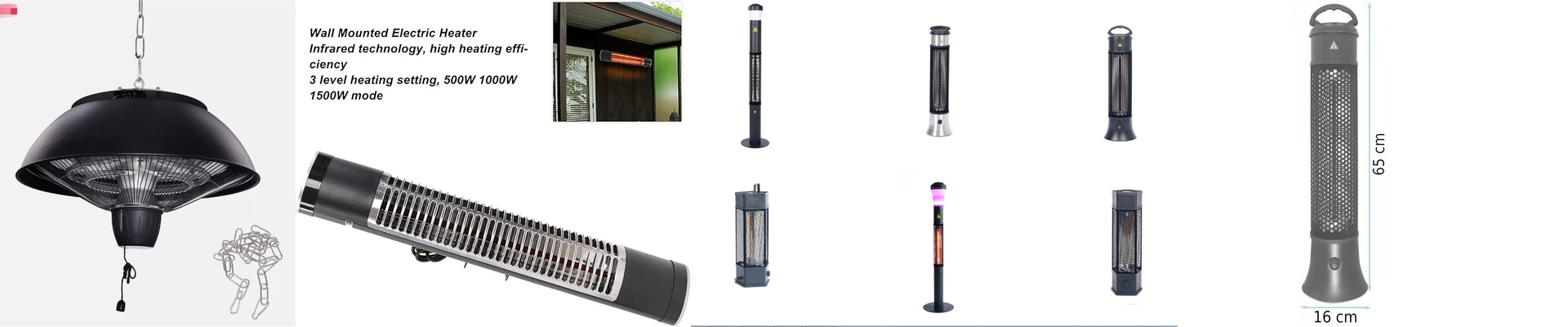
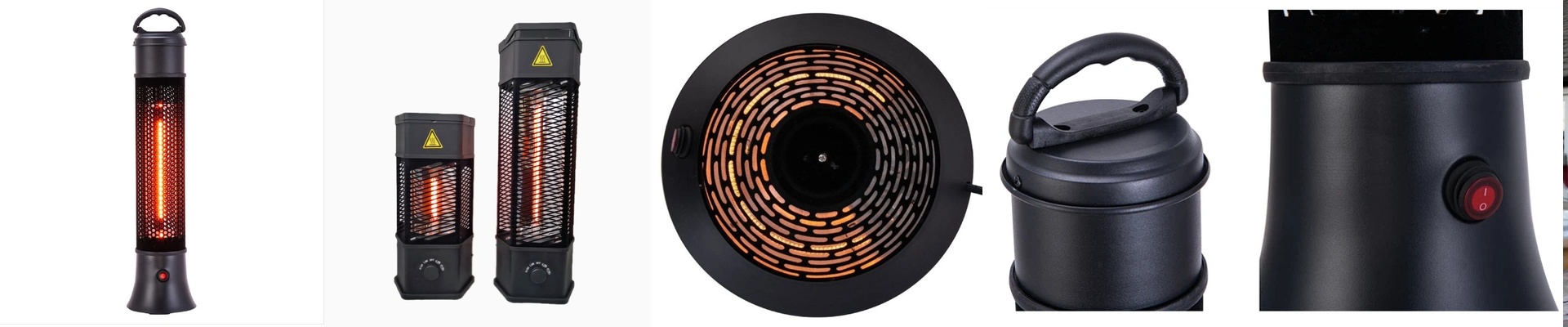

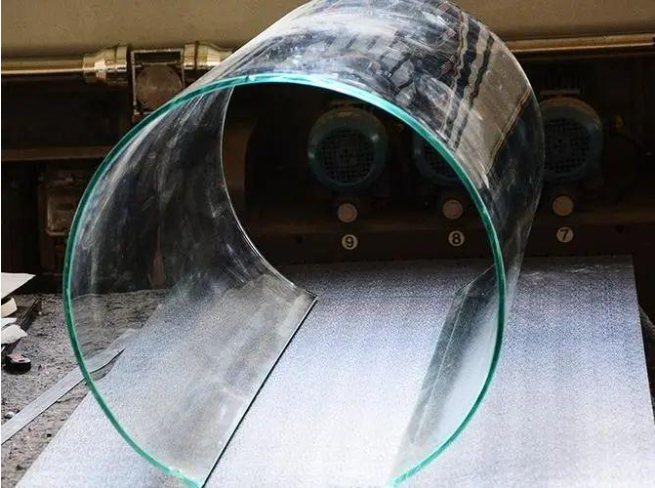
If you’ve ever tried to cut ultra-thick glass plates cold, you know the struggle. It’s a brutal process. Your cutting wheels take a massive beating, they chip almost immediately, and you spend half your shift swapping them out for new ones. It’s frustrating and, frankly, a waste of money. We found a better way. Instead of forcing the wheel to fight the glass, we use high-penetration infrared (IR) heating to soften the path before the wheel even touches the surface. Why this actually works Thick glass is basically a giant heat sink. If you use a standard heater, you’re just warming the skin of the glass while the core stays rock hard. That doesn’t help anyone. We use shortwave IR lamps because they don’t just sit on the surface—they dive deep into the glass. This targets the silica bonds and softens the material right where you need to score it. The result? The wheel glides. It doesn’t fight. And when there’s less friction, your tools actually last. The gear and the trade-offs We usually go with quartz tube IR heaters. Quartz is the way to go here because it can handle extreme heat without warping or off-gassing. To get enough heat into those thick plates, we pack a lot of wattage into a small space. But you have to be careful. If you crank the power too high or ramp up too fast, you’ll hit the glass with too much thermal shock. You’ll end up cracking the plate before you even make the cut. It’s all about finding that sweet spot between how close the lamp is and how fast your belt is moving. Setting it up on the floor In a real-world setup, these lamps sit in an array right in front of the cutting head. I highly recommend a closed-loop PID controller to keep things steady. Temperature is everything here. Get it too hot, and the glass starts to deform. Too cold, and you’re right back to burning through wheels every few hours. Also, a quick tip: use high-temp cabling. If you use standard wires, they’ll melt the second they get near those quartz tubes.