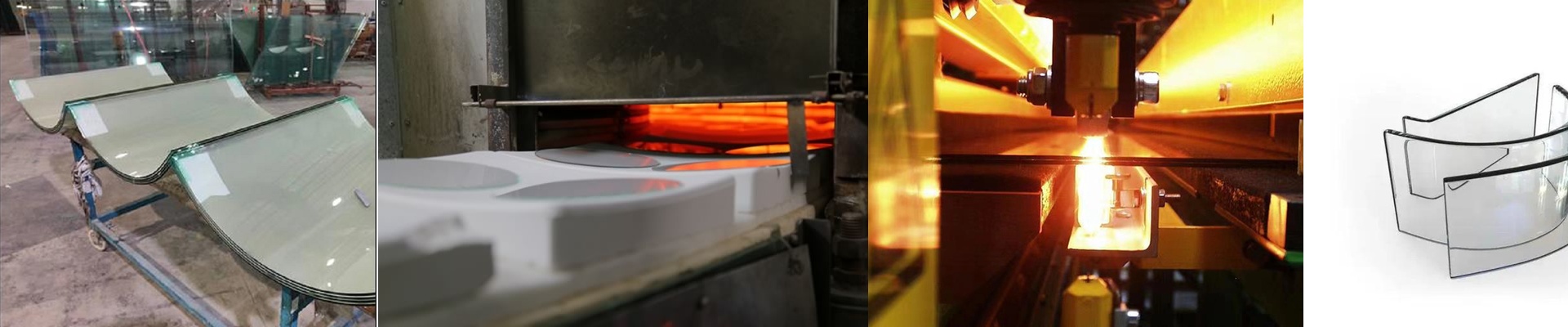
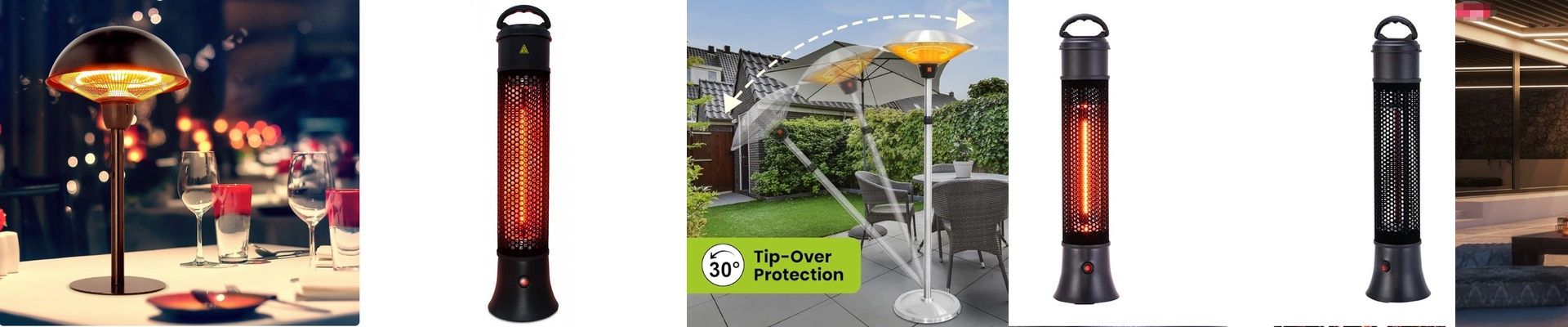
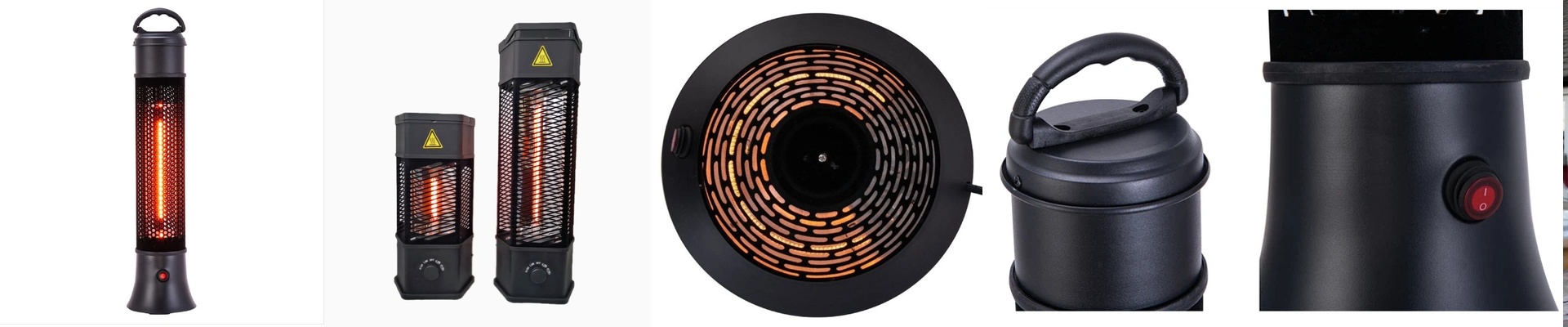

Getting the Temperature Right in Lab-Glass Annealing
Ever had a piece of lab glassware just… shatter? No warning, no impact, just a spontaneous crack. It’s frustrating. Usually, it happens because internal stresses weren’t neutralized during annealing. If your temperature swings by even a few degrees, you’re basically playing Russian roulette with your glassware. That’s why we use clear quartz infrared tubes. They let us hit that tiny, narrow window of heat needed to actually relieve the stress.
The Secret is in the Ramp-Down
Here’s the thing: annealing isn’t about blasting the glass with raw heat. It’s all about how you bring the temperature back down. To keep things from cracking, the glass has to sit at the annealing point and stay there. No drifting. We pair high-purity clear quartz tubes with PID controllers that can tweak things in 0.1°C increments. Because we use clear quartz, short-wave IR radiation goes straight into the glass. You don’t get that annoying lag you find in convection ovens. The response is instant. When the controller trims the power, the glass cools immediately. It stops that “overshoot” that usually ruins an expensive vessel.
The Hardware Side of Things
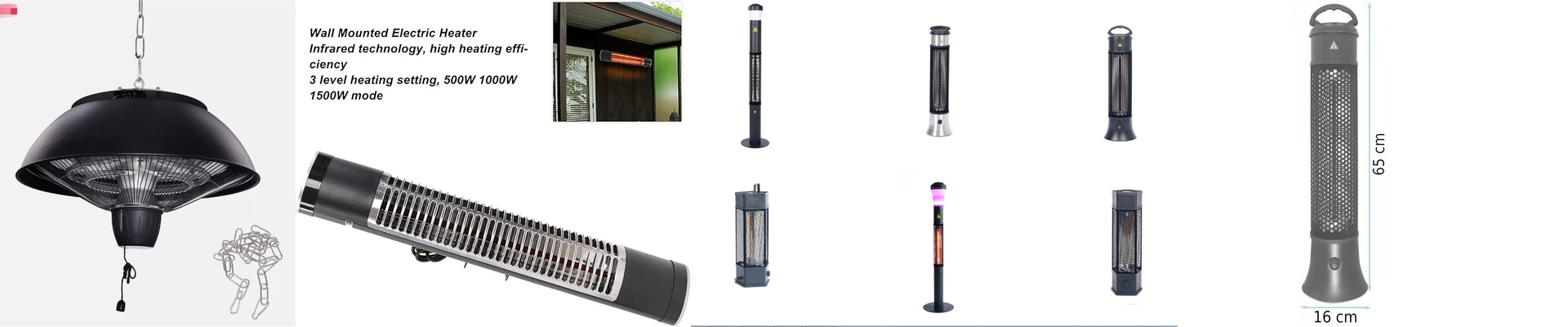
We stick with fused quartz for the tubes. It handles the shock of rapid heating and cooling without warping. Plus, the heat stays consistent across the whole length of the tube. You won’t find those random hot spots in the center that cause the glass to warp in weird places. One quick tip: keep your power supply clean. Voltage ripples can mess with your temperature. If your grid is flaky, get a stabilizer. Otherwise, that 0.1°C precision is just a dream.
A Few Real-World Warnings
High-precision IR heating is tough on sensors. You can’t just use a standard thermocouple and hope for the best; you’ll need high-grade Pt100 platinum resistance thermometers to keep up with the tubes. And a word of caution: clear quartz is fragile. Like, really fragile. A single fingerprint or a smudge of oil on the tube can create a hot spot, which burns out the filament way too early.**Wear gloves.**Seriously. Handle them with care or you’ll be replacing them a lot sooner than you’d like.