
Keep Your Glass From Cracking: A Real-World Guide to Tempering
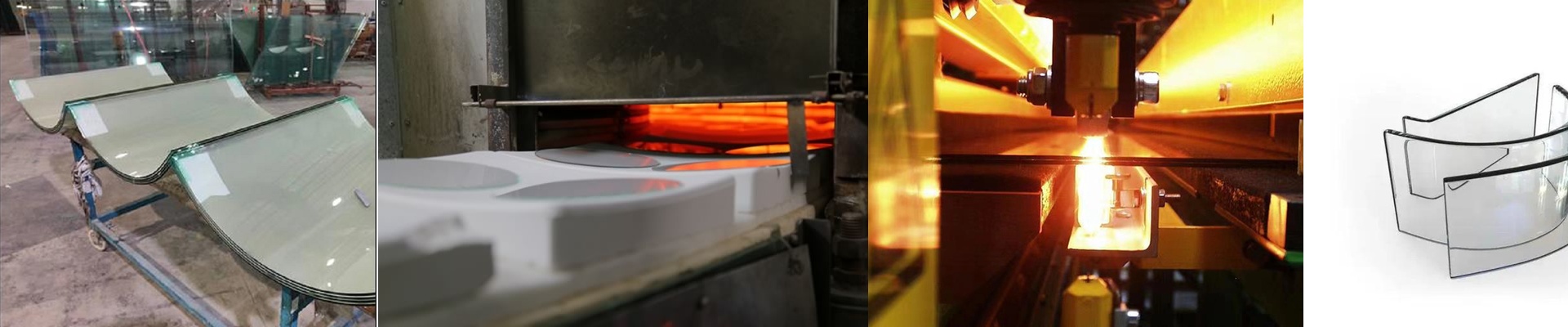
If you’ve ever worked with glass, you know the feeling. You’re moving fast, you hit a piece with too much heat too quickly, and—snap. That’s thermal shock. It’s frustrating, it wastes material, and it’s usually caused by temperature jumps that the glass just can’t handle. The trick to stopping this is using single tube infrared lamps that can change their power output on a dime. Why speed matters To keep glass intact, you need to be able to ramp the power up and down in milliseconds. We stick with short-wave quartz tubes because they’re lightweight. They don’t “soak up” heat like those heavy, old-school heating elements do. Think of it like a light switch. When your controller cuts the power, the heat drops almost instantly. This lets you tweak the heat flow to match exactly how a specific type of glass expands. Getting the hardware right We usually go for high wattage density. Why? Because we want that glass to hit its tempering point fast. But there’s a catch. When you push a lot of power through a small space, you have to watch out for voltage drop. If you try to run these through long stretches of thin cable, you’re just losing energy. We’ve found that using SCR (Silicon Controlled Rectifier) power controllers is the way to go. It lets you dial in the exact wattage for different glass thicknesses without any annoying flickering. The hidden headache: Maintenance Here is the thing: high-power tubes put a lot of stress on your reflectors. If your reflectors get dirty or oxidized, the heat doesn’t go toward the glass—it bounces right back into the tube. That’s a recipe for a burnout. You get the lightning-fast response times you want, but you’ve got to keep those reflectors clean. And don’t forget the fans. Make sure your cooling system can actually handle the heat around the lamp housing. If the airflow is weak, your tubes are going to die a lot sooner than they should.