

Getting Your IR Lamps to Actually Work with Your Glass
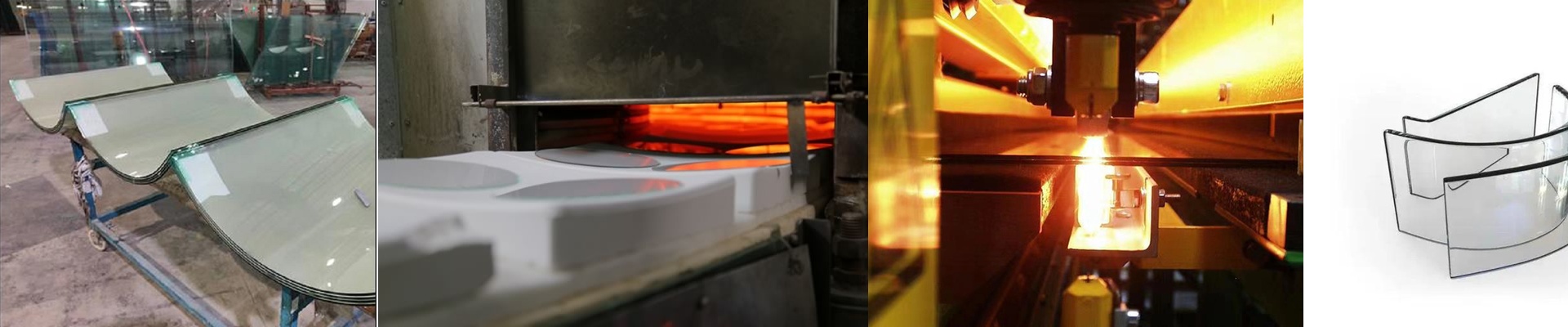
Most off-the-shelf infrared lamps are kind of like shouting into a void. They pump out a ton of energy, but if that energy doesn’t line up with what your material actually wants to absorb, most of it just bounces off. It’s a waste of power and a headache for you. When you’re dealing with specific glass additives, you can’t just blast it with heat. You need to hit the exact “sweet spot”—the absorption peak—of those chemicals to get the reaction you’re looking for. That’s where we come in. We tweak the spectrum so the light actually does its job. The secret is in the footprint. Glass isn’t just one thing. Depending on what’s mixed into it, it reacts differently to IR. If your additive is looking for medium-wave IR but you’re using a generic short-wave lamp, you’re basically trying to unlock a door with the wrong key. We change the composition and the coating of the emitter to shift that output. Instead of the heat sitting on the surface, it sinks in. It vibrates the molecular bonds of the additive. The result? Everything heats up faster, and you stop throwing electricity away. Now, there’s a catch. You can’t have everything. When we narrow the beam to hit a specific peak, you usually lose some total power. To get that precision, we use doped quartz envelopes or special filters, which can drop the wattage per millimeter. It’s not a dealbreaker, though. You just have to adjust. Maybe you use a larger lamp or let the piece sit under the heat a bit longer. It’s a simple trade-off: a little more time for a lot more accuracy. Making it work in the shop Whether you’re running a factory line or just cutting bottles in your garage, the goal is the same: a clean, precise thermal shock. When the lamp matches the additive perfectly, the heat stays exactly where you want it—right on the stress line. It doesn’t bleed into the rest of the glass, which means you don’t get those annoying, random cracks that ruin a good piece. Hook it up to a PID controller to keep your temperature swings tight, and you’ll get that satisfying, consistent snap every single time.