Why We Use Explosion-Proof Quartz in Our Bathroom Heaters
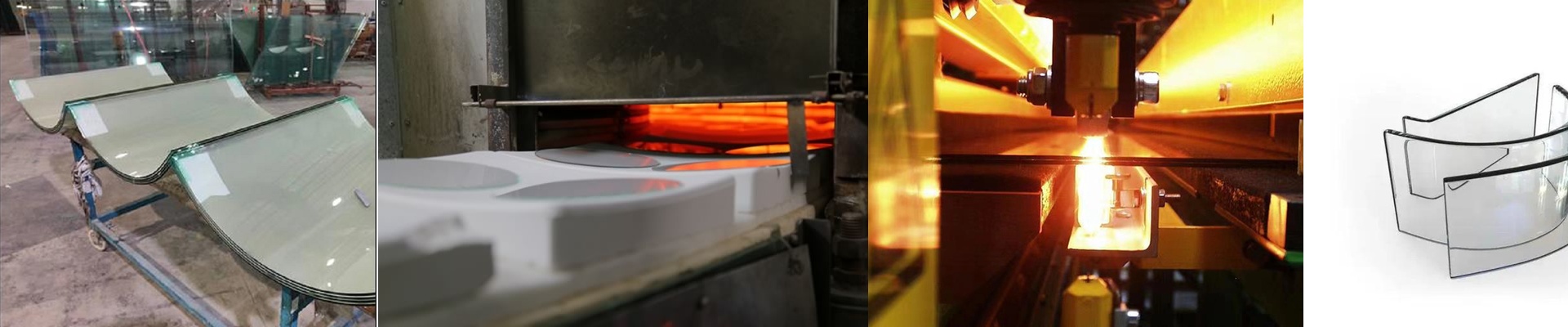
Let’s be honest: bathrooms are the worst place for electronics. You’ve got steam everywhere, splashing water, and huge temperature swings. Most infrared heaters use quartz glass to hold the heating element. But there’s a problem. When a stray drop of cold water hits a tube that’s glowing at several hundred degrees, the glass can freak out. It’s called thermal shock, and in plain English, it means the glass shatters. That’s why we use explosion-proof quartz.
How it actually works
It’s not just about making the glass thicker. We use a special coating and a reinforced composite that changes how the glass reacts to heat. Basically, it stops the tube from cracking when the temperature drops instantly. We push these tubes to the limit during testing to make sure they can handle being turned on and off without falling apart. And if a tube ever does give out? The design makes sure it breaks into dull little pebbles instead of dangerous, sharp shards. It’s just common sense.
Keeping the electricity dry
A waterproof shell is a start, but it’s not enough. We put moisture-resistant seals right where the quartz tubes meet the end caps. This keeps the steam from creeping into the electrical terminals. Because if steam gets in there, you get a short circuit, and that’s a day nobody wants to have. Just a heads-up: make sure your wiring can handle the lamp’s wattage, or you’ll end up overheating your junction box.
The honest trade-off
Here’s the thing: nothing is perfect. Adding those protective layers to the glass changes how the heat moves. You might notice a tiny dip in raw heat intensity compared to a totally clear, unprotected tube. But we’ve found a way around that. We usually bump up the wattage or tweak the angle of the reflector to keep that warmth focused right on you. Is it a slight trade-off? Sure. But I’d much rather have a heater that’s a tiny bit less “intense” than one that shatters in the middle of a steamy shower.