More Than Just a Heater: Keeping Your Bathroom Dry
Most people see an infrared lamp in the bathroom and think, “Oh, a heater. Nice.” But there’s actually a lot more happening under the hood. It’s not really about making the air feel cozy. It’s about fighting moisture. We’re basically targeting the water clinging to your walls and ceilings to stop mold from moving in and taking over.
How it actually works
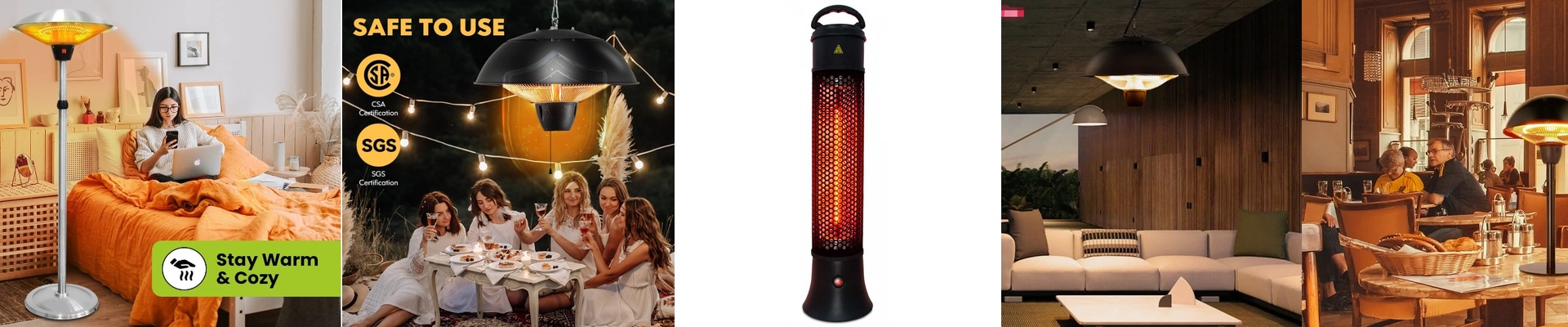
We use something called shortwave infrared (SWIR). Now, don’t let the jargon throw you—here is the simple version: unlike a regular heater that just warms up the air, these emitters go straight for the surface. They penetrate the tiles and the grout, shaking up the water molecules and forcing them to evaporate way faster than they would if you just left the door open. The best part? The heat doesn’t just hang around in the air. It hits the cold, damp spots directly. This keeps the walls from hitting that “dew point” where mold spores love to settle and grow.
Picking the right gear
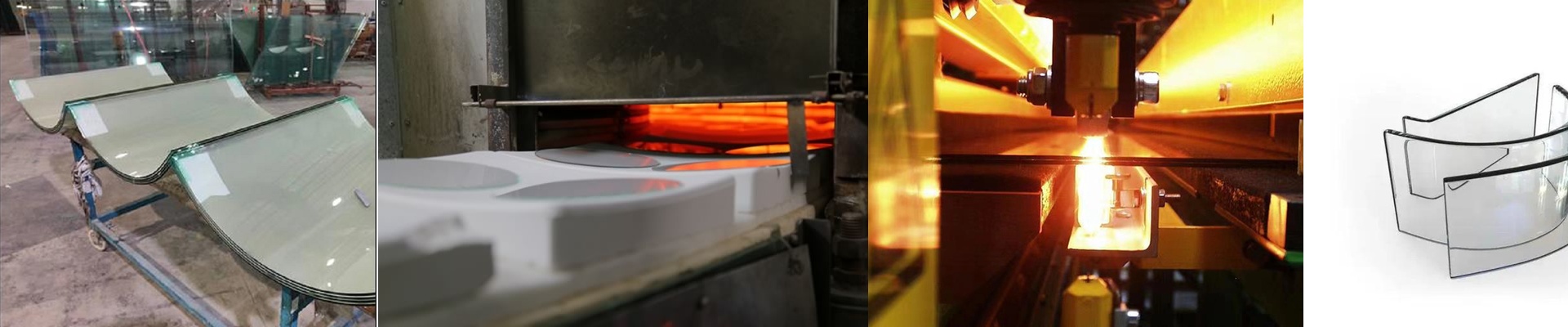
To get that punchy heat, these lamps use quartz glass and halogen gas. That’s what gives them the power to actually dry things out. But you have to be smart about the wattage. If you put a massive lamp in a tiny room, you’ll create a scorching hot zone right under the light while the far corners stay damp. You want a balance. Too much power without a good vent just makes the room feel like a sauna.
A few tips for setup
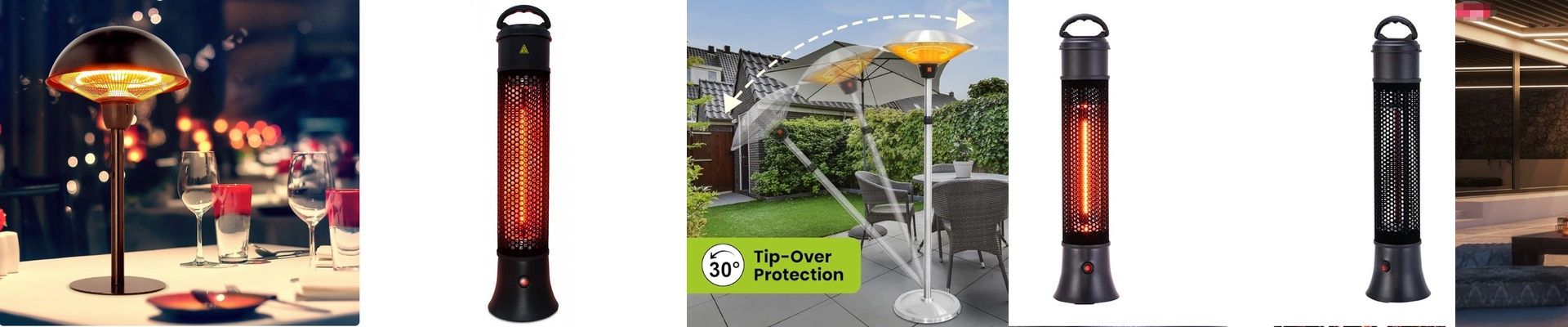
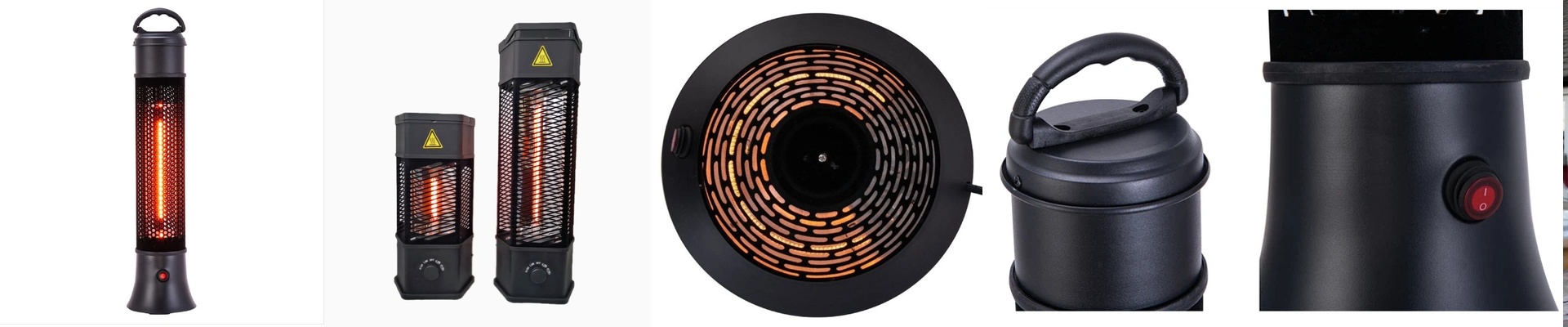
These are pretty easy to install—they’re designed to slide right into your existing fixtures. We use standard connectors because, in a humid bathroom, you want everything tight and secure. No one wants a spark where there’s water. One big warning, though:don’t touch the glass. Quartz is weirdly sensitive to the oils on your skin. If you leave a fingerprint on the tube, it creates a “hot spot” that can cause the lamp to burn out way too soon. Just give the glass a quick wipe with some rubbing alcohol before you flip the switch, and you’re good to go.