Why we’re ditching bathroom lamp heaters for IP65 Infrared
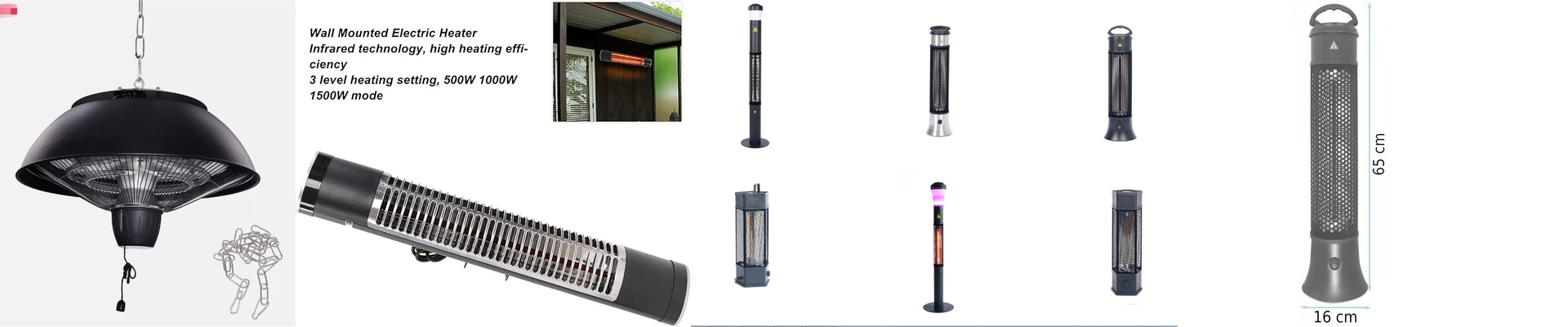
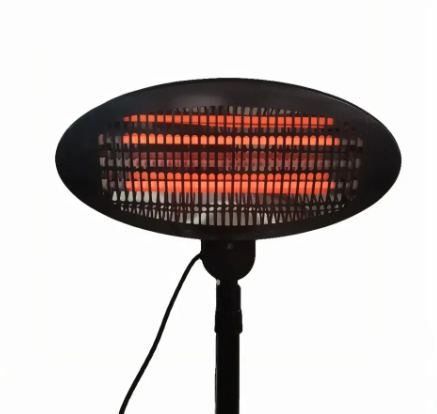
Let’s be honest: those old-school bathroom “lamp heaters” are kind of a joke. Most of them are just basic heating elements shoved into a plastic box. They aren’t actually built for the one thing they face every single day—moisture. That’s why we’re seeing everyone switch over to IP65-rated infrared systems. They just make more sense when you’re dealing with a room full of steam and splashes. The deal with IP65 You might see “IP65” on the box and think it’s just technical jargon. But in plain English? It means the thing is sealed tight. Steam is one thing, but direct splashes from the shower are what really kill these units. If a stray drop of water hits a hot quartz tube, the glass cracks instantly. It’s called thermal shock, and it’s a fast way to ruin your morning. IP65 units use heavy-duty gaskets and housings that keep the water away from the electrics. It keeps the guts of the heater dry, and you safe. Heat you actually feel Here is the thing about traditional heaters: they try to warm up the air. But if your bathroom is drafty or has a leaky window, that warm air just vanishes. You’re left shivering while the heater works overtime. Infrared is different. It doesn’t care about the air. It sends out waves of heat that hit your skin and the walls directly. It feels like standing in a patch of sunlight. You don’t have to wait ten minutes for the room to “warm up”—you feel it the second you flip the switch. We use shortwave emitters because they pack a lot of punch into a small space. A few things to watch out for Now, these aren’t “plug and play” gadgets. They pull a decent amount of power. If you try to wire one of these into an old, flimsy lighting circuit, you’re going to have a bad time. You need a dedicated line and a proper GFCI outlet to keep things safe. Also, since the heat is directional, placement is everything. If you mount it too high or aim it at the ceiling, you’re basically wasting electricity. We build these things to survive the harshest humidity you can throw at them, but they only work if the install is done right. Get the wiring wrong, and you’ll be tripping your breakers every time you want a warm shower.