
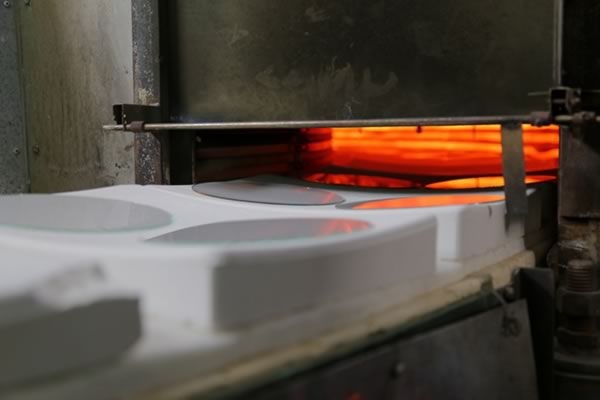
Getting Low-E Glass Right: The Struggle with Ultra-Wide Heating
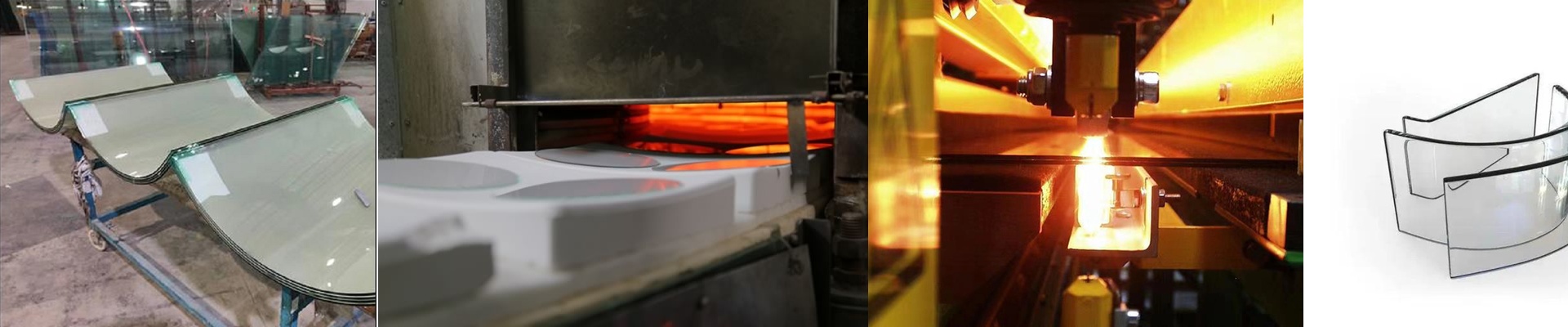
If you’ve ever tried to preheat Low-E glass on a massive scale, you know the nightmare. You need the heat to be perfectly even across the whole sheet. If one spot is too cold or another gets blasted, you’re looking at optical distortions or, worse, a sheet that just snaps under the stress. When your glass is wider than 3 meters, the standard lamps you buy off a shelf just don’t cut it. That’s why we build custom, continuous infrared units. We basically bridge the gap so you aren’t fighting your equipment.
The battle against “cold spots”
The biggest headache with these long heating zones is the joints. You get these annoying cold spots where the lamps meet, and that’s where the trouble starts. To fix this, we use long-form quartz tubes. We spend a lot of time calculating the exact wattage per centimeter so the heat is steady from one end to the other. We also wire these high-output lamps in parallel. Why? Because if one tube pops, the rest of the bank keeps humming along. You don’t have to kill the whole line just because of one dead bulb. It keeps things moving.
The gear we use
We lean toward short-wave infrared. It hits the glass and penetrates the surface much faster than medium-wave options. It’s just more efficient. For the connectors, we use industrial-grade R7s or Sk15 bases. It really just depends on how much your conveyor system shakes. If there’s a lot of vibration, we pick the one that isn’t going to wiggle loose. We also use heavy-wall quartz. These long runs get hot—really hot—and the glass needs to be able to expand and contract without cracking. Plus, we can add special coatings to the tubes. This helps the Low-E coating soak up the heat without accidentally cooking the edges of the glass.
A few things to watch out for
Here’s the thing: putting that much heat into a 3-meter footprint is a massive draw on your power. You’ve got to make sure your electrical panel can handle the amperage. If your wiring is thin, you’ll see voltage drops at the end of the line, and your heat won’t be even. And don’t forget the air. These units pump out an incredible amount of radiant energy. If your oven housing doesn’t have a solid ventilation plan, all that heat just sits there. If the housing gets too hot, you risk warping the very supports holding your lamps. It’s a lot of power, but when it’s dialed in, it just works.