Getting Preheating Right for Wide-Format Low-E Glass
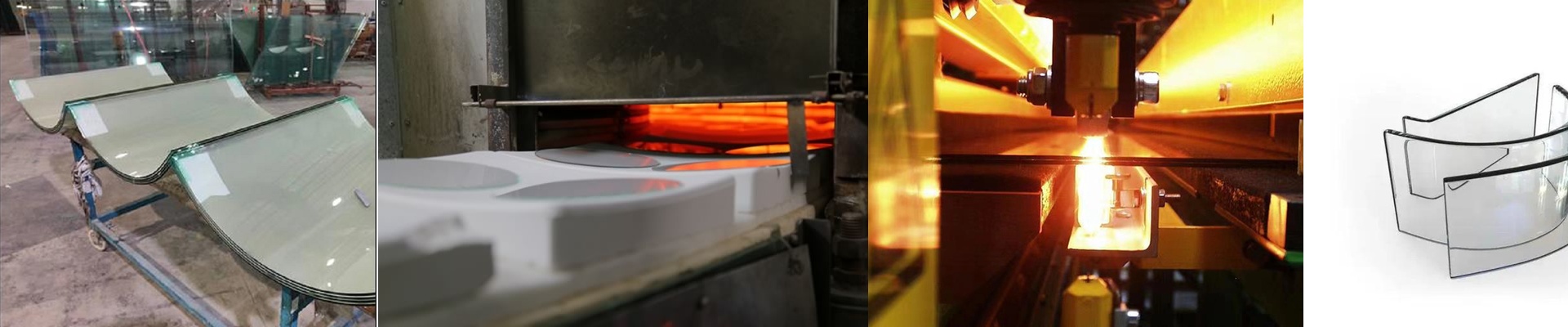
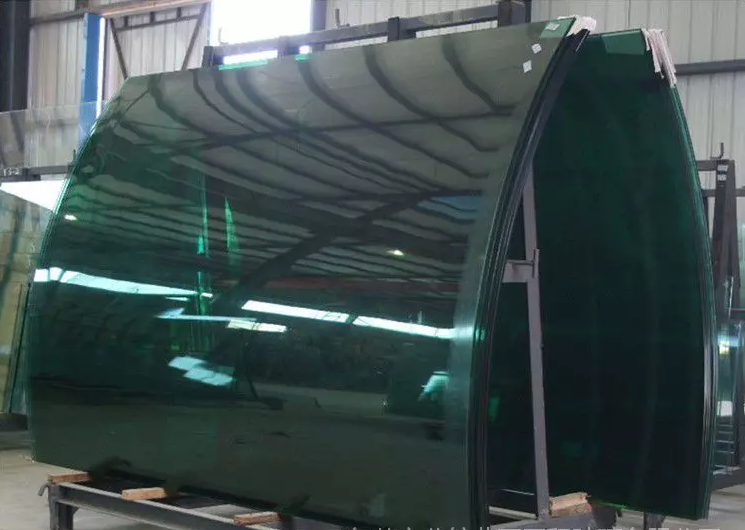
If you’re working with wide-format Low-E glass, you know the struggle. You need the heat to be perfectly even across the whole sheet. But with standard IR lamps? You usually end up with cold spots at the edges or weird gaps at the seams. It’s a headache. That’s why we build custom continuous infrared heating units. We’re talking units over 3 meters long, designed to get rid of those inconsistencies once and for all. The trick to wide-format heat Now, you might think building a 3-meter unit is as simple as just making the quartz tube longer. It’s not. If you just stretch it out, you run into voltage drops and thermal expansion issues. If the power load isn’t balanced, you get uneven heat density. In the glass world, that leads to “zebra striping”—those annoying streaks that ruin your coating. We spend a lot of time making sure the wattage per centimeter is identical from the first inch to the very last. No stripes. No defects. How we actually build them We use high-purity quartz glass to protect the tungsten filament. Depending on how long you need the glass to “soak” in the heat, we’ll go with either shortwave or medium-wave IR. The housing is built specifically for the footprint of your glass line. It keeps the lamps at a dead-steady distance from the glass, which is the only way to keep the temperature predictable. And we stay far away from generic connectors. A 3m+ run pulls a massive amount of current. We wire everything to handle that specific amperage so you don’t spend your afternoon resetting tripped breakers. The honest trade-offs Look, a 3-meter continuous heater gives you a heat footprint that’s hard to beat. But there’s a catch: they’re fragile. One bad bump or a hard impact can crack a long quartz tube, and suddenly your whole section is offline. It sucks. To stop that from happening, we suggest using reinforced mounting brackets to soak up the machine’s vibrations. Also, don’t forget your cooling. These arrays get hot—really hot. If your cooling system isn’t up to the task, the ambient heat will build up in the housing and fry your wiring. Keep it cool, and it’ll keep running.