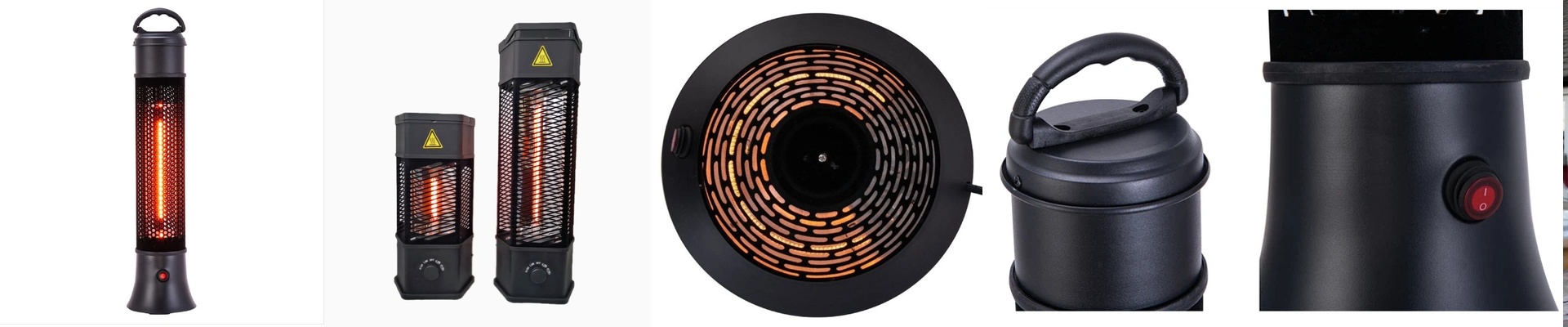
Getting Your Heat Exactly Right for Glass R&D
If you’ve ever tried using a standard, off-the-shelf infrared lamp for glass research, you know the frustration. They’re designed to be uniform. They give you a flat wall of heat. But that’s rarely what you actually need in a lab. When you’re testing thermal shock, viscosity, or annealing points on a new glass blend, you need gradients. You need some spots to be scorching and others to be mild.
It’s About More Than Just Size
Most suppliers will ask you for the length and the wattage, and that’s where the conversation ends. For us, that’s just the starting point. We care aboutpower density. By tweaking how the filament is wound—changing the pitch and thickness along the quartz tube—we can build “hot zones” and “cool zones” right into a single lamp. It’s a huge time-saver. Instead of juggling five different controllers to get the temperature you want, the lamp does the heavy lifting for you. Need a massive heat spike in the center that tapers off toward the edges? Just tell us the curve you’re looking for, and we’ll build the filament to match it.
A Word of Caution on the Hardware
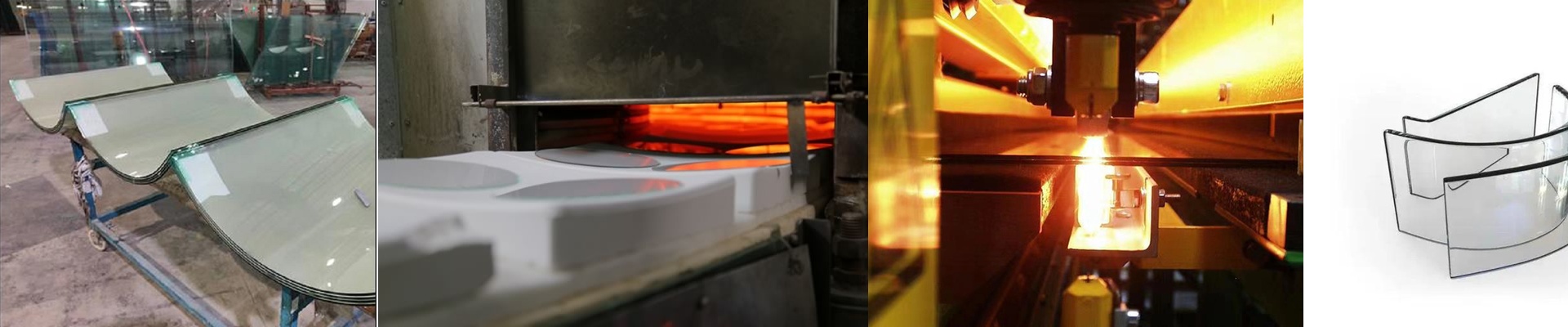
We use high-purity fused quartz because it handles the heat and lets the IR through without breaking a sweat. But these things get incredibly hot to get the radiance needed for melting glass. Be careful with your oven setup. If your chassis doesn’t have enough breathing room or your fans are too weak, you’re asking for trouble. High-density lamps put out intense, localized heat. If you don’t vent it properly, you’ll end up with warped supports or fried wiring. It’s a mess you don’t want to clean up.
Making Your Lab Life Easier
The best part about this approach is the freedom it gives you during the R&D phase. Whether you’re messing around with a new borosilicate blend or some exotic optical glass, you can tell us exactly how many watts you need per centimeter. We build it to those specs so you can stop worrying about the limitations of your heater and start focusing on how your material is actually reacting. It’s a simple drop-in replacement for your current oven, but it gives you a thermal profile that actually makes sense for your experiment. No more guessing games with your heat-soak calculations. Just clean, predictable results.